

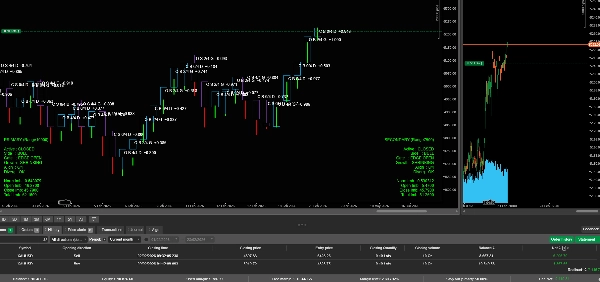
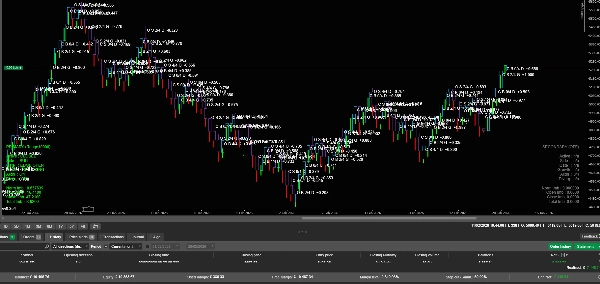
Opis
Silnik Tworzenia Akceptacji Inicjatywy
Większość narzędzi footprint próbuje odpowiedzieć na pytanie:
kto handlował bardziej agresywnie?
To narzędzie odpowiada:
czy ta agresja faktycznie przesunęła aukcję?
Ponieważ agresja, która zawodzi
staje się płynnością.
A płynność
nie przesuwa ceny do przodu.
Footprint bez rekonstrukcji
Tradycyjna logika footprint opiera się na:
rekonstrukcji feedu bid/ask
stackowaniu delty
wnioskowaniu o wykonanych transakcjach
To tworzy zależność od:
jakości feedu
spójności dostawcy danych
dokładności rekonstrukcji ticków
Ten framework nie próbuje
rekonstruować intencji
na podstawie wykonanych wydruków.
Zamiast tego
modeluje, czy kierunkowy wysiłek
został strukturalnie zaakceptowany
przez samą aukcję.
Poprzez analizę przemieszczeń wygładzoną regresją
wzdłuż wektorów strony otwarcia i zamknięcia
silnik nieustannie mierzy:
przenoszenie inicjatywy
utrzymywanie rozszerzenia zakresu
kierunkowe wyrównanie
akceptację wielobarową
wyczerpanie inicjatywy
absorpcję reakcji
To generuje znormalizowany
stan nierównowagi inicjatywy
który odzwierciedla:
kontynuację
wahanie
równowagę
cofnięcie
przejście
lub akceptację
w czasie rzeczywistym.
Stan aukcji na żywo — bez przemalowywania
Wszystkie stany inicjatywy i akceptacji:
są obliczane na żywo
aktualizowane podczas formowania
i nie są korygowane
po zakończeniu słupka.
Nie ma:
odwołań do przyszłych słupków
cofania wygładzania
retrospektywnego przeliczania
strukturalnego przemalowywania
Gdy inicjatywa zostanie zaakceptowana
lub wchłonięta
stan aukcji jest ustalony
w ramach procesu tworzenia.
To, co widzisz w czasie rzeczywistym
to to, co silnik zobaczył
gdy aukcja podjęła
swoją decyzję strukturalną.
Inicjatywa musi zostać zaakceptowana
Nie tylko wyrażona
Rynki nie poruszają się
bo wystąpił wysiłek.
Rynki poruszają się
gdy wysiłek:
utrzymał się
wyrównał się
rozszerzył
i przetrwał opór
Ten model nieustannie ocenia
czy kierunkowy wysiłek:
utrzymał przemieszczenie
rozszerzył zakres aukcji
wyrównał się w strukturze
oprzeć się reaktywnej partycypacji
Brak utrzymania
wieloczynnikowego wyrównania
powoduje rozpad stanu inicjatywy
w kierunku neutralności.
Neutralizacja oznacza:
równowagę aukcji
niepowodzenie tworzenia
lub przejście strukturalne
Stany rozpoznawania tworzenia
Silnik rozróżnia między:
Budowaniem inicjatywy
Akceptacją / przenoszeniem
Absorpcją cofnięcia
Osłabieniem krawędzi
Mieszaną aukcją
Zrównoważonym negocjowaniem
Każdy stan odzwierciedla
reżim uczestnictwa
w trakcie aukcji na żywo.
Środowiska akceptacji
to fazy zarządzania.
Środowiska zrównoważone
to fazy negocjacji.
Środowiska osłabienia
wskazują ryzyko przejścia.
Opcjonalna pamięć akceptacji na poziomie cenowym
Po włączeniu
cena jest dyskretyzowana
na strukturalne poziomy aukcji.
Każdy poziom śledzi:
przetrwanie inicjatywy
opóźnienie kontynuacji
czas odwrócenia
intensywność potwierdzenia
historyczny sukces przenoszenia
strukturalne odrzucenie
Poziomy, które wielokrotnie akceptują
inicjatywę w jednym kierunku
rozwijają wagę wytrwałości.
Poziomy, które odrzucają
inicjatywę
tracą autorytet
poprzez modelowanie rozpadu.
Decyzje o uczestnictwie
mogą opcjonalnie być ograniczane
na podstawie tego, czy inicjatywa
była historycznie akceptowana
na tej cenie.
Operacja wieloautorytetowa
(Opcjonalny tryb podwójnej struktury)
Działa przy użyciu:
Struktury pojedynczego autorytetu
lub
Struktury podwójnego autorytetu
Struktura podstawowa
definiuje makro stan tworzenia.
Struktura wtórna
wykrywa taktyczną inicjatywę
podczas cofnięcia
lub absorpcji.
Autorytet może się przenieść
gdy inicjatywa wtórna
wykaże lepszą akceptację
wobec makro kierunku.
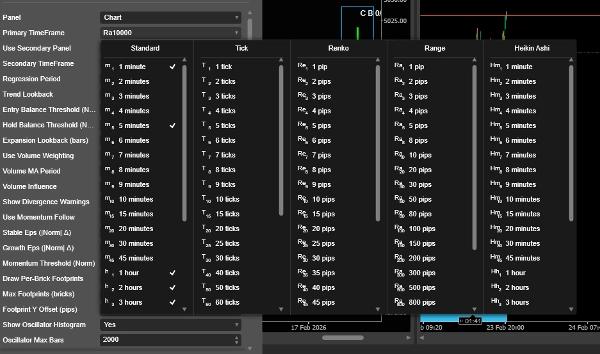
Kompatybilność wykresów
W pełni kompatybilny z:
wykresami opartymi na czasie
Renko
zakresem
Heikin Ashi
syntetyczną agregacją
Szczególnie skuteczny
w środowiskach nieopartych na czasie
gdzie przenoszenie inicjatywy
nie jest wizualnie rozmyte
przez kompresję czasową.
Zaprojektowany dla
Traderów struktury aukcji
Modeli wykonania w stylu footprint
Metodologii opartych na kontynuacji
Środowisk zakresu słupków
Procesów inicjatywy-akceptacji
Systemów strukturalnych klasy wykonania
Panel Footprint & HUD — Przewodnik terminologiczny
(Odczyt stanu aukcji na żywo)
Wszystkie wartości wyświetlane w panelu są obliczane na żywo podczas formowania słupka
i nie są przemalowywane po uformowaniu stanu aukcji.
Poniżej znajduje się, co każdy akronim footprint oznacza w panelu.
Podstawowe odczyty strukturalne
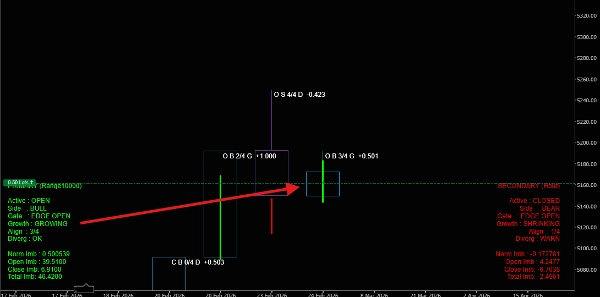
Norm Imb (Znormalizowana Nierównowaga)
To jest podstawowy wynik inicjatywy.
Reprezentuje:
stopień, w jakim kierunkowy wysiłek
skutecznie przesunął aukcję
i przetrwał przeciwny udział.
Interpretacja:
Wartość ZachowanieZnaczenie
Blisko 0
Aukcja jest zrównoważona / negocjuje
Rosnąca dodatnia
Bycza inicjatywa jest akceptowana
Rosnąca ujemna
Niedźwiedzia inicjatywa jest akceptowana
Zmniejszająca się wielkość
Inicjatywa traci akceptację
Zwiększająca się wielkość
Inicjatywa jest kontynuowana
To nie jest momentum.
To jest zaakceptowane przesunięcie.
Open Imb (Inicjatywa strony otwarcia)
Mierzy, czy kierunkowy wysiłek
został wprowadzony wcześnie w aukcji.
Pomyśl:
czy inicjatywa pochodziła
od początku uczestnictwa?
Pomaga wykryć:
wejście inicjatywy
wczesne próby przesunięcia
otwierającą agresję
Close Imb (Inicjatywa strony zamknięcia)
Mierzy, czy kierunkowy wysiłek
był utrzymany do zakończenia aukcji.
Pomyśl:
czy inicjatywa przetrwała opór
aż do zamknięcia aukcji?
Pomaga wykryć:
przenoszenie inicjatywy
utrzymywanie trendu
akceptację aukcji
Total Imb (Całkowity stan inicjatywy)
Połączony stan inicjatywy
po wygładzeniu regresyjnym udziału otwarcia i zamknięcia.
Reprezentuje:
netto strukturalną siłę tworzenia
działającą na cenę
Wyrównanie uczestnictwa
Align (0–4)
Mierzy, ile warunków akceptacji
jest strukturalnie wyrównanych.
Przykłady obejmują:
rozszerzenie zakresu
wytrwałość inicjatywy
przemieszczenie wielobarowe
zgodność otwarcia ↔ zamknięcia
Interpretacja:
Wartość wyrównaniaZnaczenie
0–1
Słaba / krucha inicjatywa
2
Rozwijające się uczestnictwo
3
Strukturalnie wspierane
4
Silne środowisko akceptacji
Wyższe wyrównanie
= większe prawdopodobieństwo przenoszenia inicjatywy
Stan krawędzi
Edge Open
Kierunkowa inicjatywa
przekroczyła próg utrzymania
i jest uważana za:
strukturalnie zaakceptowaną
i zdolną do przesuwania ceny do przodu
Edge Closed
Istnieje kierunkowy wysiłek
ale nie wykazał jeszcze:
wystarczającej wytrwałości
wieloczynnikowego wyrównania
lub przenoszenia przesunięcia
Wskazuje na:
wahanie
absorpcję
zrównoważoną aukcję
Stan wzrostu
ROSNĄCY
Akceptacja inicjatywy
rosnąca pod względem wielkości
Aukcja tworzy.
STABILNY
Inicjatywa utrzymuje się
ale się nie rozszerza
Faza kontynuacji trendu
bez rozszerzenia
ZWĘŻAJĄCY SIĘ
Wielkość inicjatywy
ulega rozpadowi
Wskazuje na:
absorpcję
cofnięcie
lub ryzyko przejścia
Ostrzeżenie o dywergencji
OSTRZEŻENIE
Wyświetlane, gdy:
inicjatywa strony otwarcia
i inicjatywa strony zamknięcia
są strukturalnie niezgodne.
Wskazuje na:
mieszane uczestnictwo
niezgodę inicjatywy
lub potencjalną zmianę reżimu
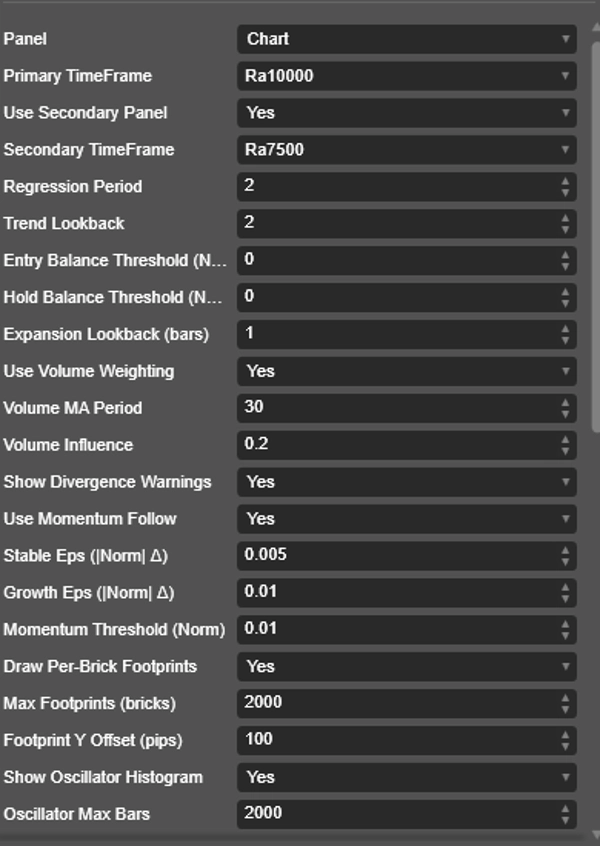
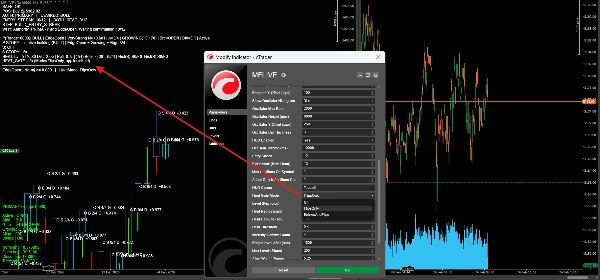
Jak korzystać z ustawień
Okres regresji
Kontroluje wygładzanie stosowane
do modelowania inicjatywy.
Niższe wartości:
szybsza reakcja
wyższa czułość
bardziej taktyczne
Wyższe wartości:
płynniejsze tworzenie
mniej szumu
lepsze dla struktury makro
Okres cofania trendu
Definiuje, ile aukcji
musi wykazać przenoszenie kierunkowe
zanim inicjatywa zostanie rozpoznana
jako strukturalnie trwała.
Wyższe wartości:
wolniejsze, ale bardziej niezawodne
potwierdzenie trendu
Próg równowagi wejścia
Minimalna nierównowaga wymagana
zanim inicjatywa zostanie uznana za:
handlowalną
lub strukturalnie istotną
Próg równowagi utrzymania
Minimalna nierównowaga wymagana
aby inicjatywa była uznana za:
wciąż akceptowaną
i aktywnie tworzącą cenę
Jeśli nierównowaga spadnie poniżej tego poziomu:
inicjatywa jest uznawana za wchłoniętą
lub zneutralizowaną
Okres cofania rozszerzenia
Definiuje, ile aukcji
jest ocenianych pod kątem:
utrzymywania zakresu
przetrwania inicjatywy
przemieszczenia wielobarowego
Pomaga rozróżnić:
prawdziwą kontynuację
od krótkotrwałego impulsu
Ważenie wolumenu
Użyj ważenia wolumenu
Po włączeniu:
odczyty inicjatywy
są wpływane przez wielkość uczestnictwa
nie tylko przez przemieszczenie
Okres MA wolumenu
Definiuje wygładzanie stosowane
do wolumenu uczestnictwa
w modelowaniu inicjatywy.
Wpływ wolumenu
Kontroluje, jak silnie
udział wolumenu
wpływa na akceptację inicjatywy.
Wyższe wartości:
większy nacisk
na wsparcie uczestnictwa
Śledzenie momentum
Stabilne Eps
Minimalna zmiana nierównowagi
wymagana, aby inicjatywa
była uznana za trwałą.
Eps wzrostu
Minimalna zmiana wymagana
do sklasyfikowania inicjatywy
jako aktywnie rozszerzającej się.
Próg momentum
Minimalna nierównowaga wymagana
aby uczestnictwo
było uznane za kierunkowe
a nie zrównoważone.
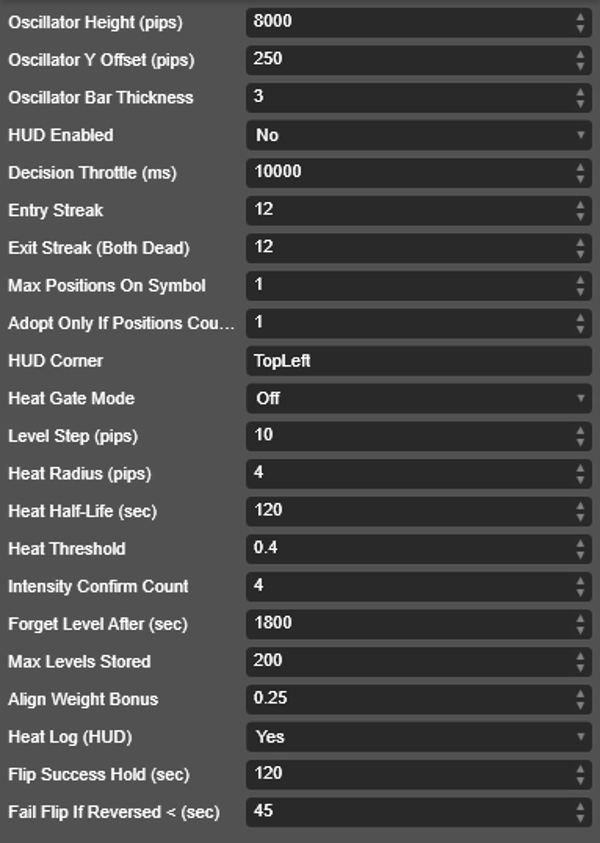
Pamięć ciepła (opcjonalna)
Tryb ciepła
Kontroluje, czy:
historia akceptacji na poziomie cenowym
może wpływać na wejścia
lub zmiany
Krok poziomu
Definiuje odstęp dyskretyzacji
dla stref pamięci poziomu cenowego.
Promień ciepła
Odległość od zapisanego poziomu
gdzie inicjatywa jest uważana za istotną.
Próg ciepła
Minimalna wytrwałość
wymagana, aby poziom
był uznany za:
strukturalnie potwierdzony
Liczba potwierdzeń intensywności
Liczba potwierdzeń inicjatywy
wymagana na poziomie
zanim akceptacja zostanie uznana za wiarygodną.
Okres półtrwania ciepła
Kontroluje, jak szybko
stare informacje o akceptacji
ulega rozpadowi w czasie.
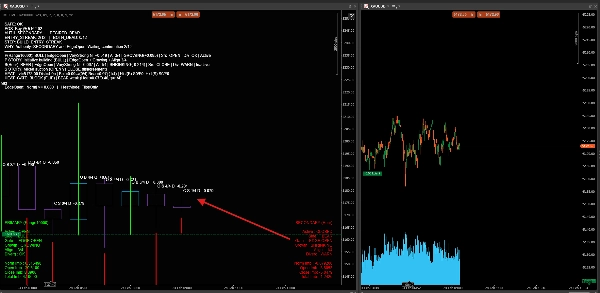
Panel HUD
HUD wyświetla:
aktualny stan inicjatywy
wyrównanie autorytetu
siłę uczestnictwa
strukturalną akceptację
stan serii wejść
serię neutralizacji
opcjonalną aprobatę ciepła
HUD może być włączony
podczas korzystania z pamięci ciepła
do wizualizacji
wytrwałości uczestnictwa
na cenie.
Podsumowanie
The indicator produces a normalized initiative imbalance state reflecting market conditions such as continuation, hesitation, balance, pullback, transition, or acceptance without repainting—values are fixed once the auction state forms. It supports optional price-level acceptance memory to track initiative survival and historical carry success at discrete price levels, enhancing participation decision-making.
MFLIVE operates in single or dual authority modes to detect macro and tactical initiative states, compatible with time-based, Renko, range, Heikin Ashi, and synthetic aggregation charts. Key outputs include normalized imbalance scores, open and close side initiative measures, participation alignment, edge states, growth states, and divergence warnings. Adjustable settings control smoothing, thresholds, volume weighting, and memory parameters to tailor the indicator to various trading environments and strategies.
Opinie klientów
5 | 50 % | |
4 | 0 % | |
3 | 50 % | |
2 | 0 % | |
1 | 0 % |