
Açıklama
Azimuth: Altın için özel sinirsel karar verme
Azimuth, Meridian ile tamamen aynı özel temele dayanır, ancak farklı bir dahili piyasa temsili ve daha gelişmiş bir mimari sunar.
Geleneksel zaman dilimi mumlarına doğrudan güvenmek yerine, Azimuth doğrudan tick verilerinden oluşturulmuş dahili özel bar yapısı kullanır. Barlar, sadece zamanın geçişinden değil, piyasa aktivitesinden oluşturulur.
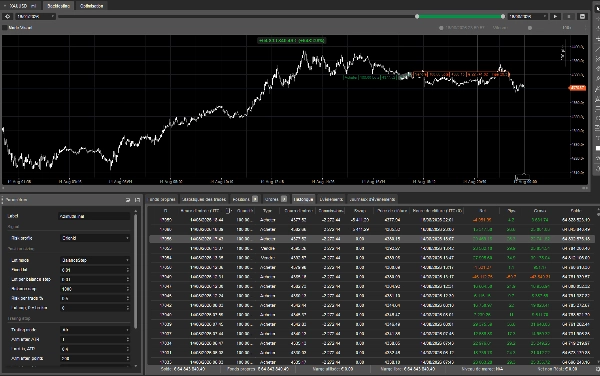
Bu yüzden, tick verileri Azimuth'u test ederken çok önemlidir. Sistem her zaman, Strateji Test Cihazında hangi klasik zaman dilimi seçilirse seçilsin, tick kullanılarak test edilmelidir.
Sonuç olarak, model sadece bir brokerin piyasayı geleneksel M1, M5, M15 veya H1 mumlarına nasıl topladığına bağlı değildir.
Sinirsel mimari
Model, Meridian'ın temelini oluşturan aynı özel sinirsel yapıya dayanır; burada nöronlar kendileri yeniden tanımlanmıştır.
Geleneksel bir sinir ağı temelde, nöronların girdilerini toplamasına ve ardından ortaya çıkan bilgiyi bir aktivasyon fonksiyonundan geçirmesine dayanır. Bu mimari son derece güçlüdür ve birçok problem sınıfı için iyi çalışır.
Ancak finansal piyasalar özellikle modellenmesi zordur.
İki piyasa girdisi arasındaki ilişki, bağlama, volatiliteye, son yapıya ve mevcut sinyalden önceki davranışa bağlı olarak değişebilir. Aynı girdi, farklı piyasa koşullarında tamamen farklı bir anlam taşıyabilir.
Azimuth ve Meridian, bu doğrusal olmayan ilişkileri işlemek için özel olarak oluşturulmuş farklı bir dahili topoloji etrafında tasarlanmıştır.
Her girdiyi sadece nihai skora katkıda bulunan bağımsız bir sinyal olarak ele almak yerine, yapı bilgilerin ağ içinde nasıl etkileşime girdiğini ve geliştiğini analiz edecek şekilde tasarlanmıştır.
Bu, modelin girdileri arasındaki daha karmaşık ilişkilerle çalışmasına ve sinyalleri sadece toplamak yerine sinyalin yapısına tepki vermesine olanak tanır.
Mimari özeldir ve dahili topolojisi açıklanmamıştır.
Durağan olmayan piyasalar için tasarlandı
Finansal piyasalar statik sistemler değildir.
Volatilite değişir. Piyasa yapısı değişir. Farklı değişkenler arasındaki ilişki değişir. Bir dönemde karlı olan bir davranış başka bir dönemde tamamen ortadan kalkabilir.
Bu, bir modelin tarihsel verilerde mükemmel görünmesinin ve ardından görülmemiş verilere maruz kaldığında çok farklı davranmasının ana nedenlerinden biridir.
Azimuth bu problemi göz önünde bulundurarak tasarlanmıştır.
Amaç, bir tarihsel dönemi mükemmel açıklayan bir konfigürasyon bulmak değil. Amaç, veriler değiştiğinde doğru davranmaya devam edebilen bir model bulmaktır.
Walk-forward eğitimi
Eğitim süreci Azimuth'un en önemli parçalarından biridir.
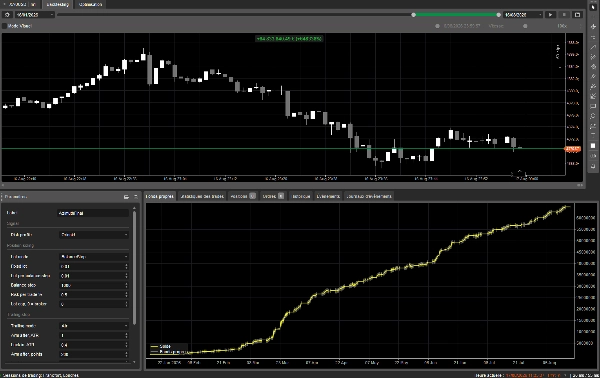
Model, tek bir büyük tarihsel veri setinde eğitilmez ve sadece nihai sermaye eğrisi iyi göründüğü için kabul edilmez.
Bunun yerine, Azimuth birden fazla bağımsız örnek dışı (out-of-sample) dönem içeren walk-forward matrisi ile eğitilir.
Süreç şu şekilde başlar:
%15 Öğrenme → %5 tamamen görülmemiş OOS veri
Model ilk OOS dönemini geçerse, süreç ilerler ve tekrar eder:
%15 Öğrenme → %5 OOS
%15 Öğrenme → %5 OOS
%15 Öğrenme → %5 OOS
%15 Öğrenme → %5 OOS
%15 Öğrenme → %5 OOS
Bu, beş ayrı örnek dışı doğrulama dönemi oluşturur.
OOS verileri modelin eğitimi için kullanılmaz.
Daha da önemlisi, herhangi bir OOS dönemi gereken kriterlerin ötesinde bir bozulma gösterirse, model reddedilir ve tüm öğrenme süreci yeniden başlar.
Model yamalanmaz.
Elle ayarlanmaz.
Eğitim süreci baştan başlar.
Sadece görülmemiş dönemlerin tamamını atlatabilen modeller tutulur.
Bu yaklaşım, sadece tarihsel verilere uymak yerine genelleme ve örnek dışı davranışa vurgu yapar.
Azimuth nasıl işlem yapar
Azimuth, Meridian'ın kullandığı bekleyen emir yaklaşımı yerine doğrudan piyasa yürütmesi kullanır.
Model geçerli bir fırsat tespit ettiğinde, sistem doğrudan piyasada işlem yapar.
Model, dahili piyasa temsilini sürekli değerlendirir ve mevcut yapının geçerli bir işlem fırsatı sağlayıp sağlamadığını belirler.
Bir pozisyon açıldıktan sonra:
- Sistem ortalama maliyet düşürmez.
- Grid yoktur.
- Martingale yoktur.
- Pozisyonların tanımlı maksimum ömrü vardır.
- Risk parametreleri modelin mevcut piyasa değerlendirmesine göre belirlenir.
Amaç, modeli büyük bir sabit işlem kuralları koleksiyonuyla çevrelemek yerine karar verme sürecini modelin kendisine bırakmaktır.
Yüksek işlem sıklığı
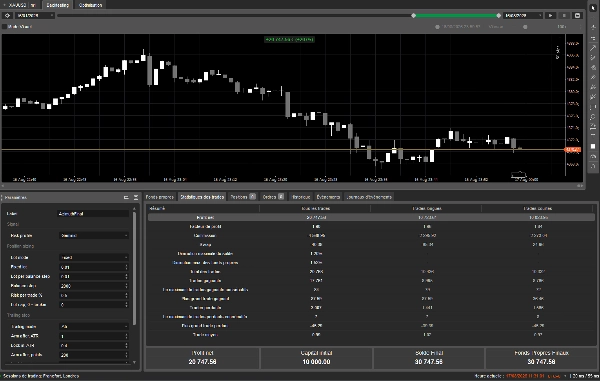
Dahili piyasa temsili, doğrudan piyasa yürütmesi ve mimarinin birleşimi, yüksek işlem sıklığı ile sonuçlanır.
Özet
The neural network architecture redefines neurons to analyze complex, non-linear relationships between market inputs, adapting to changing market conditions such as volatility and structure shifts. This design aims to maintain effective performance in non-stationary markets by focusing on generalization rather than fitting historical data.
Training employs a rigorous walk-forward process with multiple independent out-of-sample validation periods. Models must pass all validation stages without manual adjustments to be retained, ensuring robustness and adaptability.
Azimuth executes trades directly at market price, continuously evaluating market structure for valid opportunities. It avoids averaging down, grid, or martingale strategies, and applies risk parameters dynamically based on current market assessment. Positions have defined maximum lifetimes, and the system supports up to two simultaneous positions.
Key features include high trade frequency, compatibility with ECN brokers, and suitability for prop firm environments. Risk management options include fixed risk percentage and trailing stop loss. Recommended minimum balance is $500 with a risk per trade of 1%.