
说明
Liquidity & Volume Nexus is a professional Smart Money Concepts (SMC) overlay for cTrader that unifies three institutional trading concepts into a single, data-driven framework: market structure, liquidity and volume. It is built for traders who want objective, non-repainting signals backed by real volume data — and who want their tool to MEASURE ITSELF: every signal is projected as a trade plan, tracked to its outcome in R and recorded in a built-in journal with profit factor, drawdown and t-statistic. The product runs with AccessRights.None — it cannot open, modify or close anything on your account. It suggests; you decide and execute.
Every zone the indicator draws is automatically measured for how much volume traded inside it, normalised into a 0–100 Volume Score and classified as Weak, Average, Strong or Very Strong. This turns every Fair Value Gap, Breaker Block or liquidity pool into a measurable decision point.
The indicator never repaints. All swings, structural events, zones, signals and outcomes are confirmed only after the source bar has closed, and outcomes latch — a tick-by-tick run and a closed-bar replay produce identical journals. Provisional (forming) swings are optional and visually distinct; they never influence trading logic.
━━━━━━━━━━━━━━━━━━━━━━━━━━━━━━━━━━━━━━━━
WHAT THE INDICATOR ANALYSES
• Fractal swing highs and lows (fully configurable, non-repainting).
• Break of Structure (BOS) and Change of Character (CHoCH) with automatic market-context tracking and breaker blocks.
• Fair Value Gaps (FVG), Inverse FVGs (iFVG) with mitigation and age tracking.
• Equal Highs / Equal Lows (EQH / EQL) liquidity pools, single-swing Buy-Side / Sell-Side Liquidity (BSL / SSL), and sweep detection with exact timestamps.
• Prior Day / Prior Week extremes (PDH / PDL / PWH / PWL) with live pip distances.
• Premium / Discount dealing range with Equilibrium (50%) and OTE levels (62% / 70.5% / 79%).
• Volume accumulation inside every zone, normalised into a 0–100 Volume Score against a TIME-OF-DAY baseline (London-open volume is not judged by New-York-close standards), with half-life decay.
• Volume Squeeze Detector — sustained low-volume compression near active zones.
• Session Volume Profile with POC, VAH, VAL and a configurable Value Area.
• Higher-timeframe context via an optional Multi-Timeframe engine (any timeframe from M1 to Monthly), plus a Multi-Symbol Watch board: HTF context and nearest resting liquidity of up to 8 OTHER symbols in one corner of the chart.
• A multi-gate confluence signal engine with a real cost model: spread-aware NET R:R, maximum spread, micro-stop rejection, session filter and configurable news-blackout windows.
━━━━━━━━━━━━━━━━━━━━━━━━━━━━━━━━━━━━━━━━
HOW TO INTERPRET THE SIGNALS AND VISUALS
Structure:
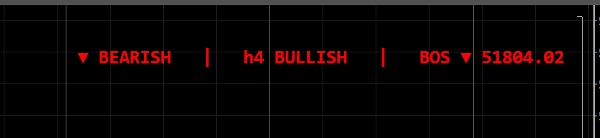
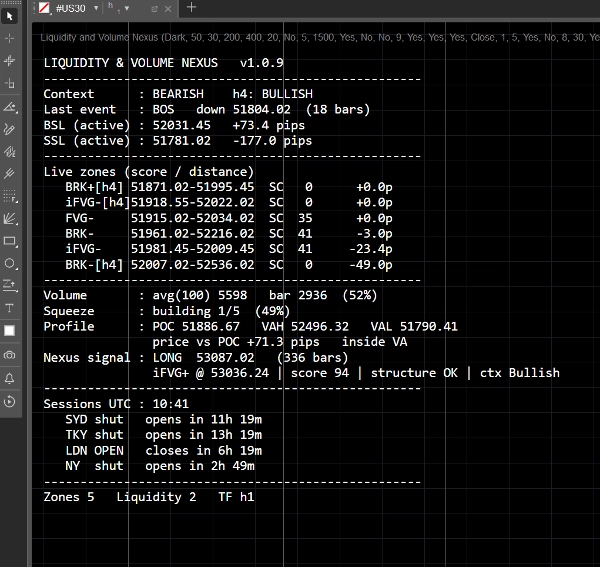
BOS means the current trend is continuing. CHoCH means the trend may be reversing. The Info Panel always shows the current context (Bullish / Bearish / Range) and the last structural event.
Zones:
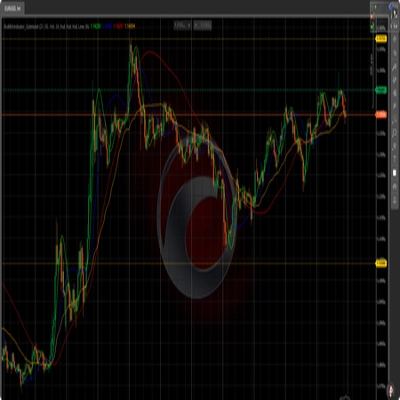
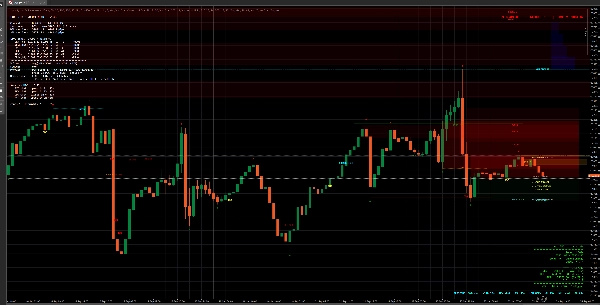
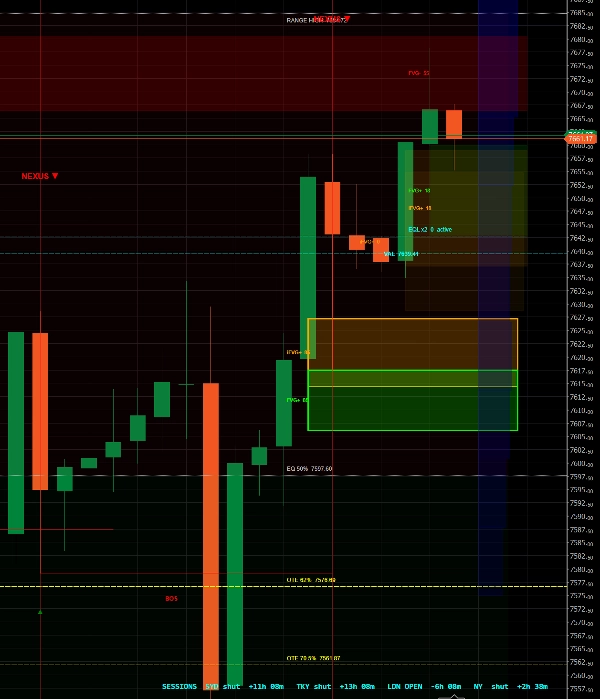
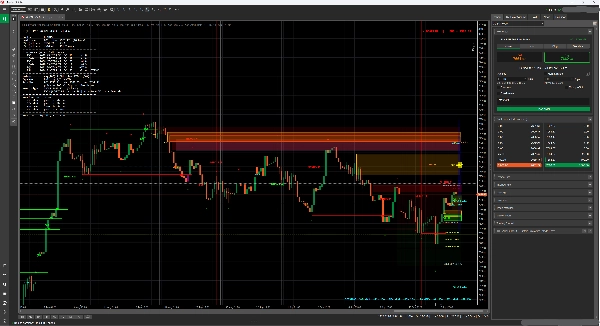
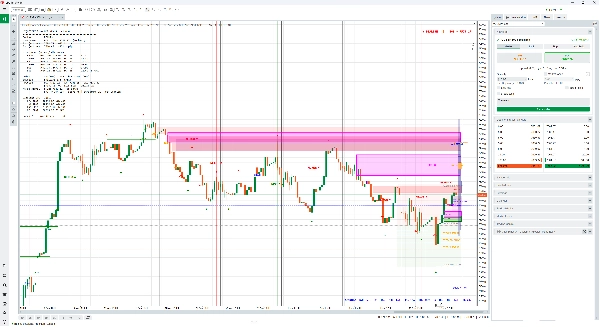
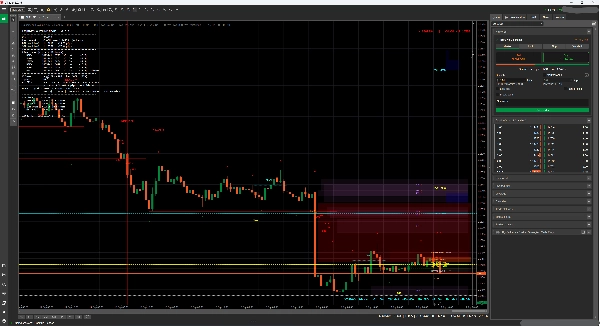
Green zones are bullish (FVG+, iFVG+, BRK+, EQL, SSL); red zones are bearish. Each zone carries a Volume Score label — the higher the score, the more institutional volume traded inside it. Scores above 60 are Strong; above 80 are Very Strong.
Liquidity:
Horizontal pools mark areas where stop-losses are likely resting. When price sweeps through a pool, the pool is marked SWEPT with the exact sweep time. A swept pool that is then reclaimed is one of the strongest reversal signals in the framework.
Premium / Discount:
The red band is Premium (the upper half of the dealing range) — where institutions prefer to sell; the green band is Discount — where they prefer to buy. The best entries happen at Premium / Discount extremes that overlap with a high-scoring zone.
Nexus Signals:
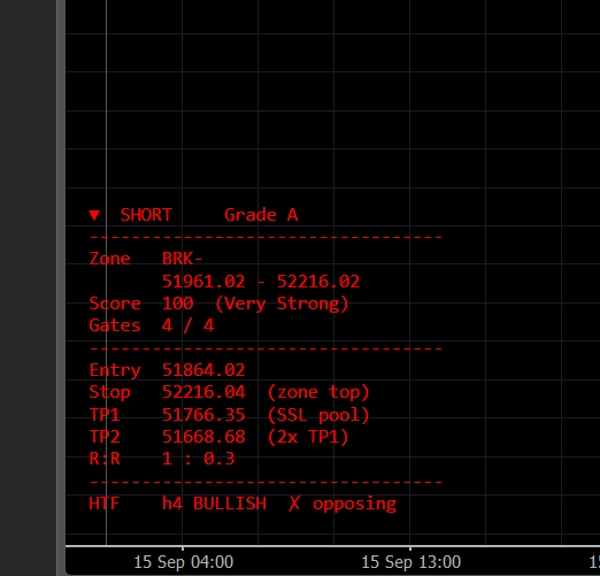
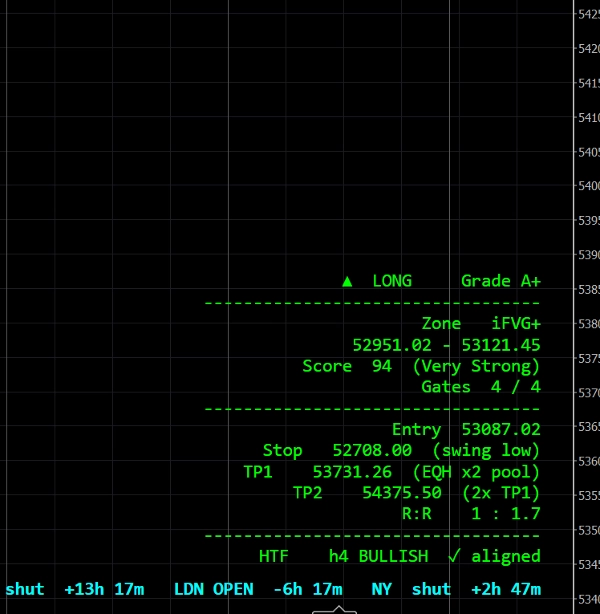
When all confluence gates align, the indicator prints a NEXUS ▲ (long) or NEXUS ▼ (short) marker, raises a log alert ([LVN ALERT]) with an optional notification sound, and shows a Signal Toast — a corner card with the full trade plan: triggering zone and Volume Score, gates passed, Entry, Stop, the TP1–TP3 ladder with R multiples, gross AND net R:R (spread charged twice, like a real round turn), a position-size hint in lots, and a trade-advice block with the estimated hold and horizon. The card never claims probabilities or win rates — every number is computed from live chart data.
Trade plan life-cycle:
Each plan is then tracked to its objective end by six latched rules — STOPPED, TP1 TAGGED, ZONE GONE, STRUCTURE FLIP, SUPERSEDED, EXPIRED — accurate even intrabar, with the outcome tagged on the chart (e.g. "✗ STOP −1.0R") and recapped on a result card. A limit-entry plan that the market never traded is honestly booked as NOT FILLED — never as a win.
Journal & panel:
The Info Panel summarises context, last structural event, active BSL/SSL, prior day/week levels, the closest live zones with scores, volume vs baseline, squeeze state, profile levels, the last signal with its gate trail, the current plan, the journal aggregates and the rejection counters — "why nothing fired" is a number, not a mystery. A context badge gives a compact snapshot; a session strip counts down Sydney / Tokyo / London / New York; the optional Watch board sits above it. The journal exports a 30-column CSV to the log for spreadsheet analysis.
━━━━━━━━━━━━━━━━━━━━━━━━━━━━━━━━━━━━━━━━
KEY SETTINGS AND PARAMETERS
The indicator has 222 parameters in 17 groups, all cross-validated at start-up (contradictory combinations are reconciled to the safe side and reported). The most important ones:
• Swing Period — sensitivity of swing detection (3 = scalping, 5 = intraday, 8 = swing).
• FVG Min Size (x ATR) — minimum size of a Fair Value Gap to be drawn.
• Equal-Level Tolerance — how close two swings must be to form an EQH / EQL pool.
• Volume Score: Strong / Very Strong — thresholds for the strength buckets (default 60 / 80).
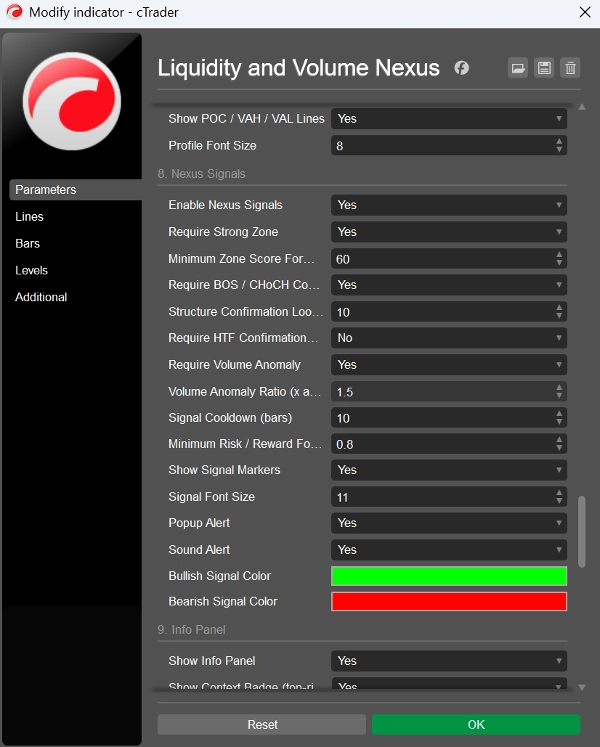
• Signal Cooldown — minimum bars between two signals.
• Minimum R:R / Minimum NET R:R — post-filters that reject setups the cost model cannot pay for; a micro-stop floor rejects plans whose whole risk is a couple of spreads wide.
• Require BOS / CHoCH, Require HTF Confirmation, Require Volume Anomaly — individual confluence gates you can toggle.
• Toast: Minimum Grade — show the Signal Toast only for A+ / A / B signals.
• Risk Per Plan (% of balance) — turns on the lot-size hint (display only).
• Multi-Timeframe Mode — an independent HTF stack projected onto the chart.
• Symbol Watch — the multi-symbol liquidity board (symbols, timeframe, refresh).
• Journal: Export CSV To Log — the 30-column dataset dump.
• Chart Clarity — hard caps on how many zones and liquidity lines are drawn at once.
Deterministic Grade system (shown on the Signal Toast):
• A+ — Score ≥ 80, all 4 confluence gates passed, HTF aligned (or not applicable when MTF is off).
• A — Score ≥ 60, all 4 gates passed.
• B — Score ≥ 60, at least 3 gates passed.
• C — anything else (hidden by default).
Grades are checklist outcomes, not probabilities — and the card prints each grade's ACTUAL track record on your own feed, so the grading is continuously audited by your journal.
━━━━━━━━━━━━━━━━━━━━━━━━━━━━━━━━━━━━━━━━
DOCUMENTATION — A COMPLETE MANUAL, BEGINNER-FRIENDLY
The product is documented like few others on the Store: a free, full illustrated User Manual — 44 chapters in 3 sections — is hosted online and linked from this page:
• Read online: https://juan-elias-artesano.github.io/lvn-manual/
• Repository: https://github.com/juan-elias-artesano/lvn-manual
It covers every glyph on the chart, every line of the card and the panel, the complete 222-parameter reference, entry procedures, "when to enter — and when to wait" decision rules, false-move and breakout-clue interpretation, risk management, four ready-to-use presets (Scalping M1–M5, Intraday M15–H1, Swing H4–D1, Crypto), a 30-day onboarding plan, FAQ, troubleshooting and a glossary. A motivated complete beginner can follow it step by step and operate the indicator at a professional level — no prior SMC knowledge required, the manual teaches the concepts as it goes.
━━━━━━━━━━━━━━━━━━━━━━━━━━━━━━━━━━━━━━━━
TYPICAL USE CASES AND TRADING SCENARIOS
• Intraday continuation: enter on a BOS in the direction of the HTF, at a Discount FVG with a strong Volume Score, targeting the opposite liquidity pool.
• Reversal after a liquidity sweep: price sweeps a BSL or SSL pool, closes back inside the range and prints a CHoCH in the opposite direction.
• Range breakout: wait for the squeeze detector to fire, then trade the first impulse bar beyond the range edge.
• Premium / Discount mean reversion: enter counter-trend at range extremes that overlap with a Very Strong zone and an OTE level.
• Multi-timeframe confluence: use H4/D1 zones for bias and M15/H1 signals for execution; check neighbouring markets on the Watch board before clicking.
━━━━━━━━━━━━━━━━━━━━━━━━━━━━━━━━━━━━━━━━
WHO THIS INDICATOR IS FOR
Experienced SMC traders get objective, volume-backed filtering, zero repainting, a real cost model and per-module customisation. Discretionary intraday and swing traders get the confluence engine, the plan life-cycle and the journal that remove guesswork and hindsight from entry timing. Multi-timeframe analysts get an HTF stack with real Volume Scores. Beginners get the 44-chapter manual above — the framework is deep, but you are not left alone with it.
Performance note (v2.4.2): attaching to deep histories is up to ~13x cheaper in chart operations with a byte-identical final chart — even H4/D1 charts with tens of thousands of bars load in seconds.
An optional Signal Bridge (default OFF, v2.4.0) publishes one atomic JSON frame per live closed bar for the companion AutoTrader's verify/follow modes; it is measurement-neutral.
━━━━━━━━━━━━━━━━━━━━━━━━━━━━━━━━━━━━━━━━
IMPORTANT LIMITATIONS AND NOTES
• This is an analytical indicator, not a trading robot. It does not open, manage or close positions (AccessRights.None — it cannot).
• It does not provide financial advice and does not guarantee profitable results.
• The indicator does not read the economic calendar automatically; you list your high-impact news times in the News Blackout parameter and the engine stays flat around them.
• The Multi-Timeframe engine requires sufficient historical data on the HTF; on very illiquid symbols some higher timeframes may be unavailable.
• Volume data quality depends on the broker's tick-volume feed; on exotic instruments volume-based scores may be less reliable.
• Best performance is achieved on liquid markets: major FX pairs, index CFDs, metals and top-tier crypto.
• Alerts follow the platform's honest channels for indicators: [LVN ALERT] log lines, notification sounds and the corner card — the cTrader indicator API has no popup dialog.
Disclaimer
Trading involves risk. Past performance does not guarantee future results.
摘要
It features a multi-gate confluence signal engine with a real cost model accounting for spread and micro-stops, generating detailed trade plans with entry, stop-loss, and multiple take-profit levels, tracked through a built-in journal that records outcomes and performance statistics. The indicator supports multi-timeframe analysis (M1 to Monthly) and a multi-symbol Watch board for broader market context.
Visual elements include color-coded zones, liquidity sweep markers, premium/discount bands, and a Signal Toast displaying trade plan details and grades (A+ to C) audited by live data. The product includes a comprehensive 44-chapter manual covering all features, settings, and trading scenarios. It is designed for discretionary traders seeking volume-backed, objective SMC tools with advanced customization and performance tracking.