

Penerangan
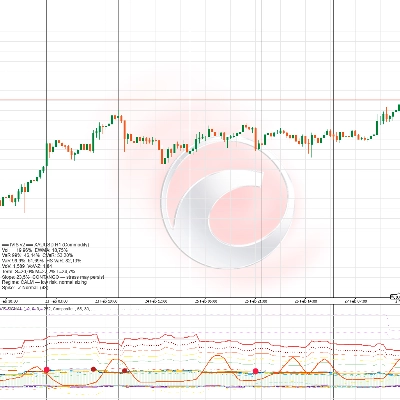
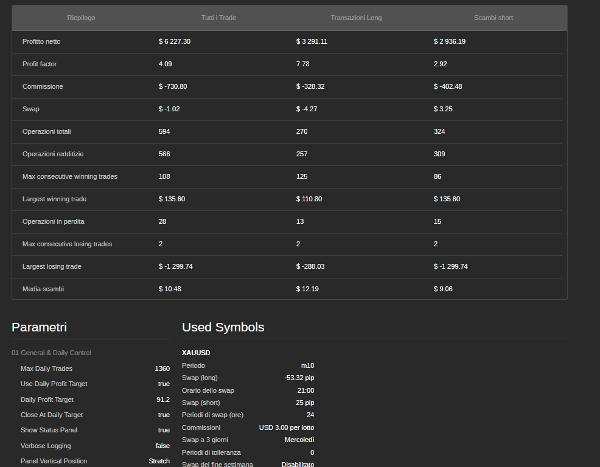
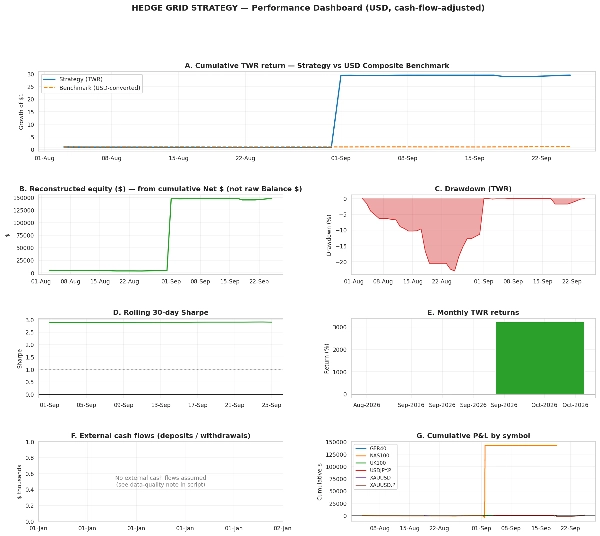
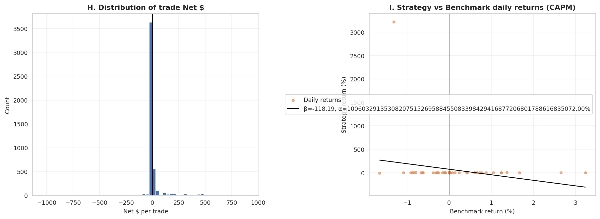
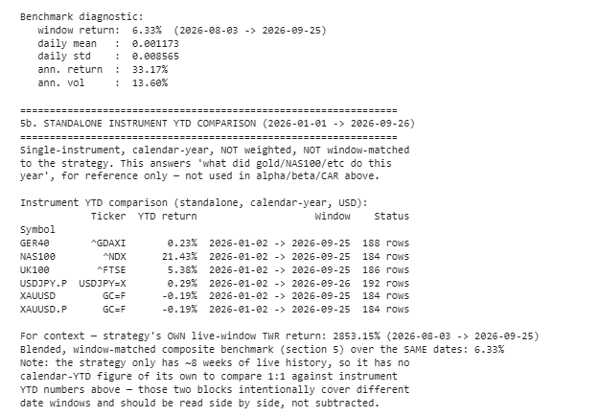
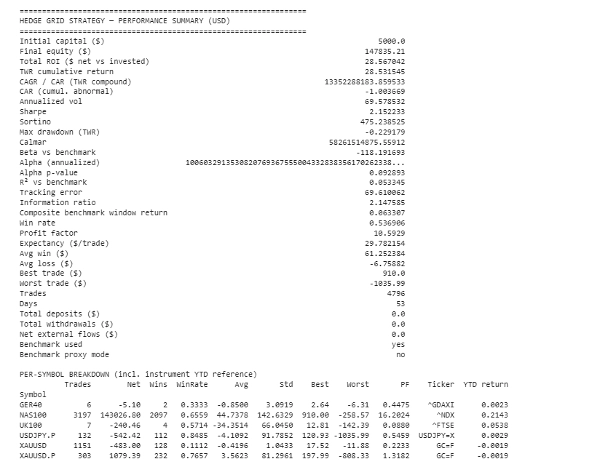
KAMI SENTIASA MENGOPTIMUMKAN ALGORITMA KAMI MENGIKUT SYARAT PASARAN, YANG BERMAKNA ANDA JUGA BOLEH MELAKUKANNYA! STRATEGI HEDGE GRID PRO TELAH DIPERTINGKATKAN KE VERSI 7.0. STATISTIK LANGSUNG BERJALAN MEMANTULKAN PENGOPTIMUMAN SETTING YANG BERUBAH.
Selamat datang ke puncak perdagangan algoritma di platform cTrader, PROJECT Αργος Πανόπτης, Árgos Panòptēs
JIKA ANDA INGIN MENERIMA SOKONGAN PEMBANGUN QUANT PROFESIONAL SELAMA 1 TAHUN DARI DATARUM ALGORITHMICA, SIAPA SAHAJA BOLEH MENGAKSES LANGGANAN 1 TAHUN DENGAN HARGA $3,000. APA YANG KAMI TAWARKAN SEBAGAI PERTUKARAN: MAKLUMAT PASAR HARIAN DENGAN VOLATILITI PASAR OPSYEN GEX, DEX, TAHAP, MODEL QUANT-KEWANGAN UNTUK SEBARANG CFD YANG ANDA PERDAGANGKAN, ULASAN MAKRO MINGGUAN DAN 1 ALGORITMA TAMBAHAN YANG DIPERTINGKATKAN (TANPA KOD SUMBER), DIHANTAR DENGAN CTID PELANGGAN YANG UNIK. SEMUA INI DAN PERKHIDMATAN SOKONGAN PENUH PEMBANGUN QUANT SELAMA 12 BULAN, DARI PENYELESAIAN MASALAH HINGGA PENGOPTIMUMAN, BACKTESTING DAN RINGKASAN PASAR, DAN BANYAK LAGI. JIKA ANDA MENCARI PEMBANGUN QUANT YANG BOLEH MEMBERIKAN KUALITI DAN KEBERKESANAN KEPADA PERDAGANGAN ANDA, LANGGAN SEKARANG!
(Pedagang profesional yang ingin mempunyai sambungan lindung nilai boleh mengakses suite kunci API yang dikendalikan oleh A.I. dengan pelan langganan 1 tahun, mengambil kira perkhidmatan backend.)
bagi mana-mana pedagang yang membeli PROFESSIONAL HEDGE GRID, Datarum Algorithmica akan menghadiahkan plugin percuma untuk menjalankan simulasi Monte Carlo bagi Pengoptimuman dan Backtest anda. Plugin akan dihantar melalui emel ke ID cTrader unik anda (tanpa kod sumber). Beli 1-cbot, dapatkan juga 1-plugin secara percuma!
Strategi HEDGE GRID PRO bukan sekadar sistem automatik runcit biasa; ia adalah enjin kuantitatif proprietari yang canggih yang direka untuk satu tujuan: memberikan pulangan yang konsisten, boleh diskalakan, dan disesuaikan risiko untuk pedagang profesional yang memahami mekanik sebenar pasaran kewangan moden. HEDGE GRID STRATEGY PROadalah algoritma perdagangan automatik maju yang dibangunkan oleh Datarum Algorithmica. Ia bukan grid mudah atau pengikut tren asas; ia adalah arsitektur perdagangan berlapis pintar yang direka untuk menyesuaikan diri dengan dinamik pasaran melalui gabungan pengurusan posisi, kesedaran volatiliti, dan kawalan risiko dinamik yang canggih. Tiada produk serupa di Kedai cTrader. Manakala algoritma konvensional bergantung pada indikator teknikal asas, peraturan kaku, atau logik runcit yang mudah dieksploitasi, strategi ini beroperasi pada rangka kerja proprietari pelbagai dimensi. Arkitektur uniknya adalah harta intelek yang sangat dijaga, memastikan pengguna awal mengekalkan kelebihan yang jelas dan tidak boleh ditiru atau diambil kesempatan oleh orang ramai.
Mengapa Ini Direka Khas untuk Pedagang Profesional
Algoritma ini dibina khusus untuk pedagang dan institusi yang mempunyai modal tersedia untuk meningkatkan pulangan secara bermakna. Ia bukan alat "cepat kaya" untuk runcit; ia adalah enjin pengagihan modal. Ini sebabnya ia berbeza untuk pengguna yang canggih:
Kecekapan Modal pada Skala
Algoritma standard menurun prestasinya apabila saiz dagangan meningkat disebabkan oleh slippage dan impak pasaran. Strategi ini mempunyai logik pelaksanaan yang sedar kecairan yang canggih yang menyesuaikan diri secara dinamik dengan kedalaman pasaran. Apabila baki akaun anda bertambah, algoritma ini meningkatkan operasinya secara berkadar, membolehkan anda menggabungkan pulangan pada asas modal yang lebih besar tanpa meningkatkan risiko secara eksponen.
Arkitektur Risiko Gred Institusi
Perdagangan profesional adalah mengenai pemeliharaan modal dahulu, dan pertumbuhan kedua. Sistem ini menguatkuasakan protokol risiko yang ketat dan tidak boleh dirunding, termasuk sasaran keuntungan harian yang dikodkan keras, perlindungan penurunan maksimum, dan pemantauan kecergasan statistik berterusan. Ia melindungi lengkung ekuiti anda dengan ketelitian yang sama seperti yang dijangka oleh firma perdagangan proprietari dan dana lindung nilai.
Navigasi Rejim Pasaran Adaptif
Pasaran tidak statik, begitu juga strategi ini. Ia sentiasa menilai keadaan pasaran asas, perubahan volatiliti, dan aliran kecairan. Daripada gagal semasa kejutan pasaran tiba-tiba atau keadaan tidak menentu, algoritma ini menyesuaikan tingkah lakunya dengan bijak, memastikan prestasi yang kukuh merentasi persekitaran pasaran yang pelbagai.
Pelaksanaan Tepat & Kesedaran Aliran Pesanan
Beroperasi pada jangka masa ultra-pendek (seperti NAS100), algoritma ini menggunakan teknik pelaksanaan frekuensi tinggi proprietari. Ia menavigasi turun naik spread, mengelakkan zon kecairan toksik, dan menggunakan strategi penempatan pesanan yang canggih untuk mendapatkan harga masuk dan keluar yang optimum, meminimumkan kos tersembunyi yang membebankan sistem runcit standard.
Pengesahan Langsung Berjalan — Komitmen kepada Prestasi
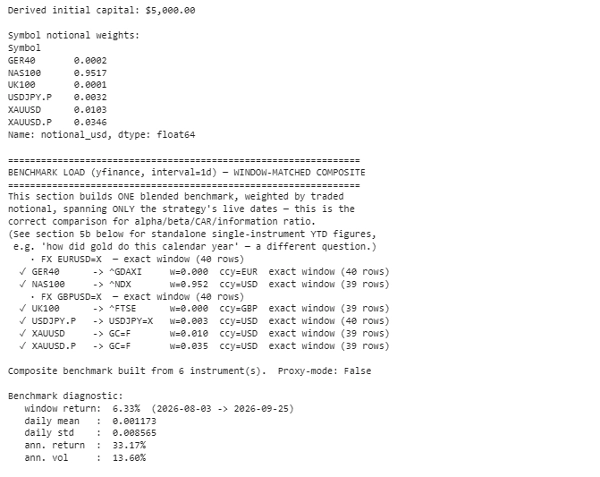
Datarum Algorithmica komited lebih daripada sekadar janji backtest. HEDGE GRID STRATEGY kini sedang menjalani pengesahan pasaran langsung berjalan — proses di mana sistem didagangkan dalam keadaan pasaran sebenar untuk mengesahkan bahawa prestasi backtest diterjemahkan kepada hasil langsung sebenar. Ini adalah langkah kritikal dalam kitaran pembangunan produk kami, memastikan strategi berfungsi seperti yang dijangka sebelum ditawarkan kepada umum.
Pelanggan yang memperoleh cBot ini akan mendapat manfaat daripada pemantauan prestasi berterusan dan kemas kini semasa kami terus memperhalusi sistem berdasarkan maklum balas pasaran langsung. Keputusan backtest yang diberikan adalah titik permulaan; fasa pengesahan langsung adalah di mana kami membuktikan nilai strategi dalam pasaran yang benar-benar penting.
Kelebihan Profesional Teras
(Nota: Butiran mekanikal khusus sengaja tidak disertakan untuk melindungi harta intelek proprietari.)
- Keunikan Tiada Tandingan: Arkitektur yang benar-benar unik di pasaran cTrader. Anda tidak membeli bot yang ditandakan semula atau dihasilkan secara besar-besaran.
- Pengukuran Posisi Dinamik: Mengawal pendedahan dengan bijak berdasarkan keyakinan pasaran masa nyata dan ekuiti akaun, mengoptimumkan nisbah risiko-ke-pulangan pada setiap transaksi.
- Pengurusan Dagangan Berlapis: Menggunakan mekanisme keluar separa dan trailing dinamik yang canggih untuk mengunci keuntungan sambil membenarkan posisi berkemungkinan tinggi memaksimumkan potensi mereka.
- Tiada Curve-Fitting: Dibina atas prinsip statistik yang kukuh dan bukan data sejarah yang dioptimumkan berlebihan, memastikan kebolehpercayaan masa depan.
Ringkasan
Strategi HEDGE GRID STRATEGY adalah sistem perdagangan automatik berlapis yang menggabungkan perdagangan grid adaptif, lindung nilai dinamik, pengukuran posisi pintar, dan enjin gabungan keputusan yang kuat. Ia dibina untuk pedagang berpengalaman yang menuntut prestasi dan sanggup menggunakan alat yang kompleks tetapi sangat berkemampuan.
Dengan rekod backtest yang terbukti, proses pengesahan langsung yang berterusan, dan sokongan penuh daripada Datarum Algorithmica, cBot ini mewakili penyelesaian perdagangan serius bagi mereka yang bersedia meningkatkan perdagangan algoritma mereka.
📊 NOTA PENTING MENGENAI STATISTIK LANGSUNG & PENGOPTIMUMAN ALGORITMA
Statistik Langsung yang dipaparkan pada senarai kedai ini (termasuk Kadar Kemenangan, Faktor Keuntungan, Nisbah Sharpe, dan Penurunan) mewakili salah satu daripada banyak konfigurasi yang mungkin algoritma perdagangan ini. Angka-angka ini adalah semata-mata perwakilan dan ilustrasi bagi satu tetapan perdagangan tertentu yang digunakan pada keadaan pasaran tertentu dalam tempoh sejarah tertentu.
Kejayaan Anda Bergantung pada Pengoptimuman
Pasaran kewangan adalah dinamik, dan tiada satu tetapan "satu saiz untuk semua" wujud. Kami sangat menggalakkan semua pedagang untuk secara aktif menggunakan Enjin Pengoptimuman cTrader untuk melaras algoritma ini. Dengan mengoptimumkan parameter, anda boleh menyelaraskan strategi dengan:
- Instrumen CFD Pilihan Anda (contohnya, Forex, Indeks, Logam, atau Kripto).
- Saiz Akaun & Mata Wang Asas Anda (untuk mengurus keperluan margin dengan berkesan).
- Toleransi Risiko Individu Anda (melaraskan Stop Loss, Take Profit, dan Saiz Lot).
Anda Boleh Mengatasi Statistik Asas
Kerana Statistik Langsung yang dipaparkan hanyalah garis asas, adalah sepenuhnya mungkin—dan memang dijangka—bahawa pedagang akan menemui kombinasi parameter yang mengatasi angka yang ditunjukkan di sini dengan ketara. Kami menggalakkan anda untuk bereksperimen, menguji semula, dan menguji ke hadapan untuk mencari konfigurasi optimum yang sesuai dengan gaya perdagangan unik anda.
⚠️ Penafian Penting
- Tiada Jaminan Prestasi: Perdagangan instrumen kewangan melibatkan risiko yang besar. Prestasi lalu, termasuk keputusan backtest atau replay sejarah, tidak menunjukkan hasil masa depan. Pembangun tidak membuat sebarang representasi atau jaminan mengenai keuntungan, konsistensi, atau tingkah laku penurunan dalam pasaran langsung.
- Kebergantungan Pasaran & Broker: Keputusan sebenar berbeza berdasarkan kualiti pelaksanaan broker, keadaan spread, slippage, kecairan, volatiliti berita, dan infrastruktur pelayan. Penapis dan logik lindung nilai algoritma mengandaikan persekitaran pelaksanaan yang stabil dan latensi rendah.
- Tanggungjawab Parameter: Semua tetapan boleh dikonfigurasi (jarak grid, pengganda, risiko per dagangan, penapis sesi, saiz lot, dll.) boleh disesuaikan oleh pengguna. Konfigurasi yang tidak betul boleh meningkatkan pendedahan, melanggar had margin, atau mencetuskan pengelompokan posisi yang tidak diingini. Pengguna mesti menguji set parameter secara menyeluruh dalam persekitaran demo sebelum pelaksanaan langsung.
- Gunakan dengan Risiko Anda Sendiri: Dengan memasang atau menjalankan CBOT, anda mengakui bahawa anda telah membaca, memahami, dan menerima semua keperluan teknikal, tanggungjawab konfigurasi, dan pendedahan risiko. Pembangun tidak bertanggungjawab atas kerugian, panggilan margin, ralat platform, atau penyimpangan pelaksanaan yang berlaku akibat perdagangan langsung.
- Rangkaian Komunikasi Elektronik ECN (Kewangan/Perdagangan): sistem berkomputer yang secara automatik memadankan pesanan beli dan jual untuk sekuriti. Ia membolehkan broker utama dan pedagang individu berdagang secara langsung tanpa perantara seperti pakar bursa saham. Kualiti enjin pemadanan dan pengisian pesanan broker-pedagang berbeza di seluruh industri dan memerlukan pedagang memantau slippage dan spread secara aktif, mengehadkan spread maksimum dan slippage maksimum untuk mendapatkan pemadanan pesanan optimum. Penting untuk difahami bahawa meja broker-pedagang sering tidak memadankan strategi algoritma pedagang runcit, kerana ini disebabkan oleh keperluan teknikal latensi VPS <1ms, tetapi juga pilihan penghalaan Broker. CFD adalah harga sintetik, bukan diselesaikan secara pusat di peringkat bursa saham, tetapi dipadankan secara algoritma oleh meja broker-pedagang.
Penting Mengenai Keperluan Pengoptimuman
Algoritma ini direka untuk pedagang pemula dan pakar, tetapi ia sama sekali tidak sesuai untuk pedagang yang malas. Untuk setiap instrumen kewangan yang anda ingin dagangkan, sama ada pasangan mata wang, indeks, komoditi seperti emas atau perak, atau saham individu, anda mesti menjalankan proses pengoptimuman anda sendiri untuk mencari tetapan optimum. Tingkah laku pasaran berbeza dengan ketara antara instrumen, dan apa yang berfungsi dengan sempurna pada satu simbol tidak akan berfungsi pada simbol lain tanpa penyelarasan yang betul. Algoritma ini menyediakan rangka kerja berkualiti tinggi dan alat pengoptimuman kecergasan unik yang canggih, tetapi anda mesti sanggup melaburkan usaha untuk menyesuaikannya dengan pasaran pilihan anda. Ini adalah alat ketepatan untuk pedagang serius dan aktif yang memahami bahawa penyesuaian pasaran adalah kunci kepada keuntungan jangka panjang.
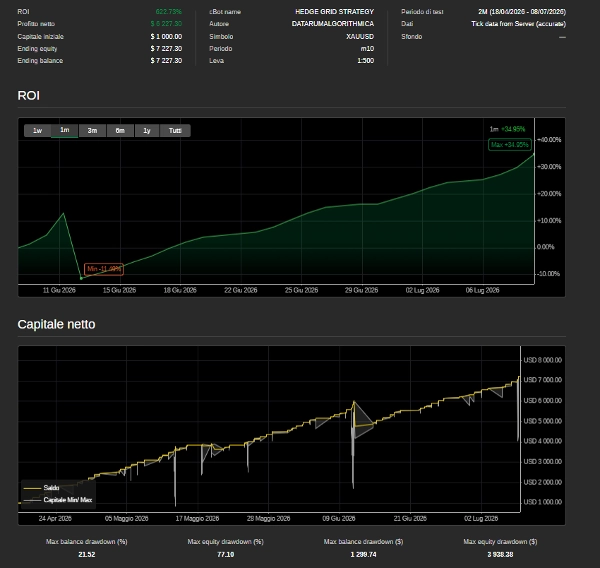
Prestasi lalu, termasuk keputusan backtest yang dipersembahkan untuk XAUUSD, tidak menjamin hasil masa depan. Prestasi algoritma akan berbeza berdasarkan keadaan pasaran, kualiti pelaksanaan broker, latensi, dan konfigurasi parameter. Tiada representasi dibuat bahawa mana-mana akaun akan atau mungkin mencapai keuntungan atau kerugian yang serupa dengan yang ditunjukkan dalam backtest.
Algoritma memerlukan pengoptimuman khusus instrumen. Parameter yang berprestasi baik pada satu simbol atau jangka masa mungkin menghasilkan kerugian pada simbol lain. Pengguna bertanggungjawab sepenuhnya untuk menjalankan ujian dan pengesahan mereka sendiri sebelum menggunakan algoritma pada akaun langsung.
Hak cipta terpelihara. © Datarum Algorithmica. Tiada bahagian produk ini, termasuk tetapi tidak terhad kepada algoritma proprietari, indikator tersuai, konfigurasi parameter, kod sumber, dan logik perdagangan, boleh diperbanyak, diedarkan, direkayasa balik, didekompilasi, diubah suai, atau digunakan untuk mencipta karya turunan tanpa kebenaran bertulis jelas daripada Datarum Algorithmica. HEDGE GRID | Algoritma Grid & Hedging Lanjutan, dan semua teknologi proprietari yang berkaitan, adalah tanda dagangan dan rahsia dagangan Datarum Algorithmica. Penggunaan tanpa kebenaran, penjualan semula, atau pengedaran semula adalah dilarang sama sekali.
Ringkasan
Designed for experienced traders and algorithmic investors, the strategy requires instrument-specific optimization and a solid understanding of trading mechanics and risk management. It has been rigorously backtested on tick-by-tick historical data for XAUUSD (m10 timeframe) over a multi-year period and is undergoing walk-forward live validation to confirm real-market performance. The algorithm is ECN-friendly and optimized for low-latency VPS environments.
Risk management tools include stop loss, take profit, trailing stop loss, break-even, session filters, and daily profit targets. The system supports up to 10 simultaneous positions with a recommended minimum balance of $1,000 and a risk per trade of 5%. Ongoing performance monitoring and user support are provided by Datarum Algorithmica. This tool is suitable for high-frequency scalping and breakout trading styles.
Ulasan pelanggan
5 | 0 % | |
4 | 50 % | |
3 | 50 % | |
2 | 0 % | |
1 | 0 % |