

Descrizione
ChallengerProp — Elegante cBot per Prop-Firm (Motore Slow Trend + High Leverage)
ChallengerProp è un cBot professionale per cTrader progettato specificamente per sfide prop-firm, dove il vero vantaggio non è “overtrading”, ma controllo del rischio, disciplina e ripetibilità.
Include due profili di trading distinti—uno progettato per una progressione costante e sicura per il prop, e uno progettato per opportunità ad alta leva e mean-reversion—tutto racchiuso in un robusto insieme di regole di protezione (limiti giornalieri, controllo del drawdown, protezione del picco di equity e gestione intelligente delle operazioni).
Avvertenza Chiave / Trasparenza
- ✅ Il bot include un Start Analyst (diagnostica di avvio) che stampa i parametri caricati e le restrizioni del broker nei log.
- ✅ Sul nostro sito web, puoi usare il nostro Analyzer per cercare e confrontare i migliori backtest e ottimizzazioni (per asset, timeframe, profilo e impostazioni di rischio).
- ✅ Su Discord, siamo sempre disponibili per supporto, ottimizzazioni e risoluzione problemi.
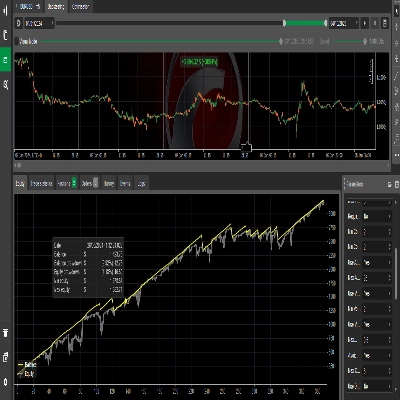
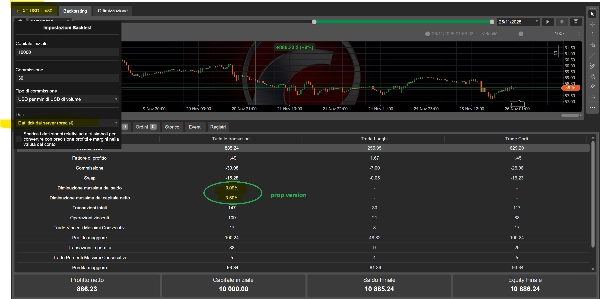
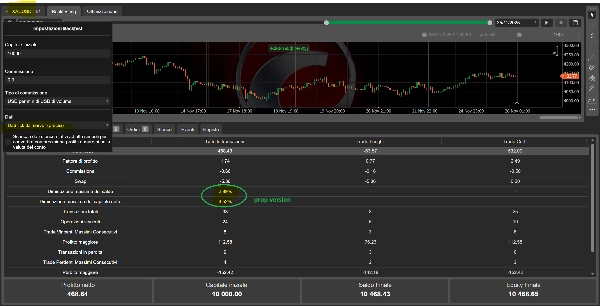
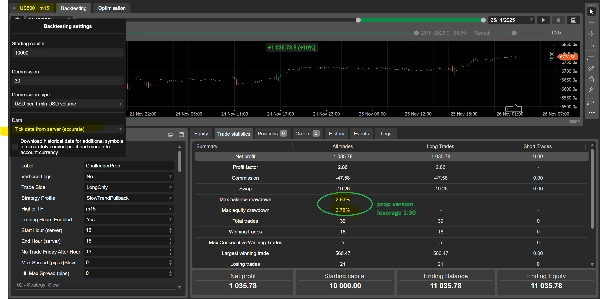
- ✅ I backtest/foto pubblicati si riferiscono a:
-
- Petrolio & Oro con leva media di ~500x
- US500 con leva media di ~20x
Il bot può funzionare bene su quasi tutti gli asset se ottimizzato, ma i risultati dipendono sempre dalla volatilità del simbolo, dalle sessioni, dagli spread e dai limiti di rischio scelti.
Due Profili, Due Casi d'Uso
1) SlowTrendPullback (sicuro per il prop, “strategia lenta”)
Un approccio strutturato che mira a catturare entrate di continuazione del trend:
- Filtro trend HTF (EMA) definisce la direzione
- Pullback verso EMA innesca l’“entrata scontata”
- Conferma tramite logica RSI / ADX-DI
- Ideale per leva moderata (es. 10–30x) e drawdown controllati
2) HighLeverageScalp (mean reversion, reattivo)
Un motore più veloce progettato per scenari ad alta leva (es. 50x–500x) dove le entrate devono essere selettive e la gestione deve essere rigorosa:
- Entrata in stile mean-reversion Bollinger (touch + ritorno / cross back in)
- Filtro RSI opzionale per evitare entrate in condizioni deboli
- Filtro HTF trend opzionale per sicurezza (o disabilitato per pura mean-reversion)
- Ideale per simboli come XAUUSD / OIL dove la volatilità crea frequenti interazioni con le bande
Gestione del Rischio Prop-Firm (Integrata)
ChallengerProp è progettato attorno alle regole tipiche del prop—specialmente il comune vincolo di rischio giornaliero del 4% (usato nella maggior parte delle sfide). Include:
- Protezione Max Perdita Giornaliera % (stop rigido + chiusura posizioni)
- Cap Profitti Giornalieri % opzionale (stop trading dopo profitto)
- Max Drawdown Totale % (dal saldo iniziale ad ora)
- Max Drawdown Equity dal Picco % (protezione high-water-mark)
- Cooldown dopo perdita + max perdite consecutive
- Max operazioni per giorno + max posizioni per simbolo
Guida ai Parametri (Dettagliata “Come Leggere e Usare”)
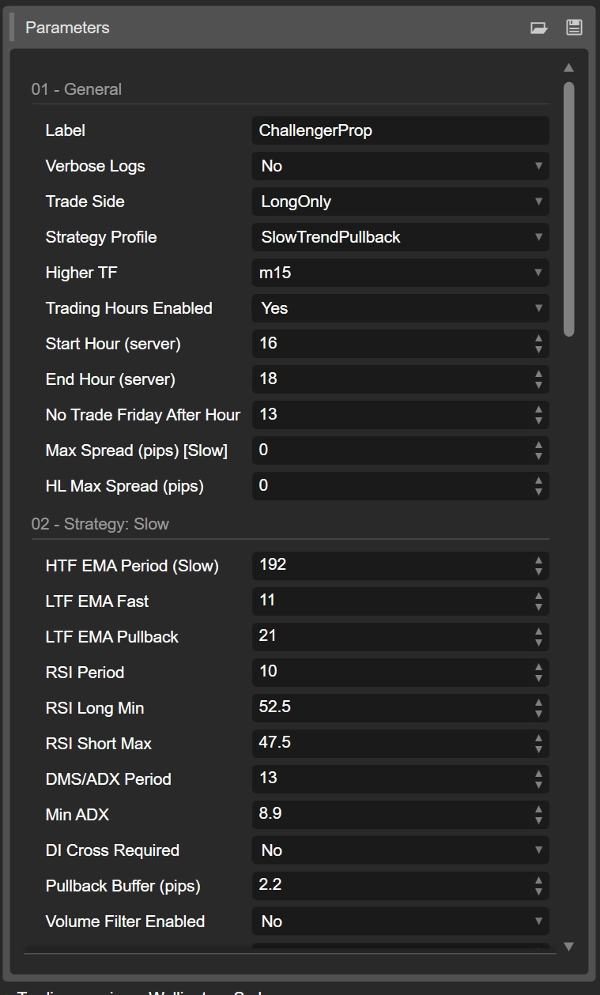
01 — Generale
- Etichetta: Tag usato per identificare le posizioni aperte dal bot.
- Log Verbosi: Stampa motivi dettagliati quando le operazioni sono bloccate (ALTAMENTE raccomandato durante l’ottimizzazione).
- Lato Trade: Fare trading in entrambe le direzioni o solo long/short.
- Profilo Strategia: Seleziona il motore:
-
- SlowTrendPullback (costante)
- HighLeverageScalp (aggressivo)
- TF Superiore: Timeframe superiore usato per il contesto del trend (specialmente per Slow).
- Ore di Trading Abilitate / Ora Inizio / Ora Fine / Taglio Venerdì: Controllo sessione per evitare periodi di scarsa liquidità.
- Max Spread (Slow) / Max Spread HL: Filtro di esecuzione rigido. Se lo spread è sopra la soglia, il bot non opera.
02 — Strategia: Lenta (Trend + Pullback)
- Periodo EMA HTF (Lento): Spina dorsale del trend. Più alto = filtro trend più fluido, meno operazioni.
- EMA Veloce LTF: Linea trigger per conferma entrata.
- EMA Pullback LTF: “Zona” di pullback dove il prezzo deve tornare per qualificarsi.
- Periodo RSI / RSI Min Long / RSI Max Short:
-
- Long solo se RSI ≥ Min Long
- Short solo se RSI ≤ Max Short
Suggerimento: aumentare Min Long rende i long più severi; abbassare Max Short rende gli short più severi.
- Periodo DMS/ADX / Min ADX: Filtro di forza. Min ADX più alto = meno operazioni ma più forti.
- Richiesto Incrocio DI:
-
- ON = deve esserci conferma incrocio DI (più severo)
- OFF = basta dominanza DI (più operazioni)
- Buffer Pullback (pips): “Tolleranza” attorno alla EMA del pullback. Aumentare su asset volatili.
- Filtro Volume Abilitato / Periodo SMA Volume / Moltiplicatore Volume: Filtro opzionale che richiede volume superiore alla media.
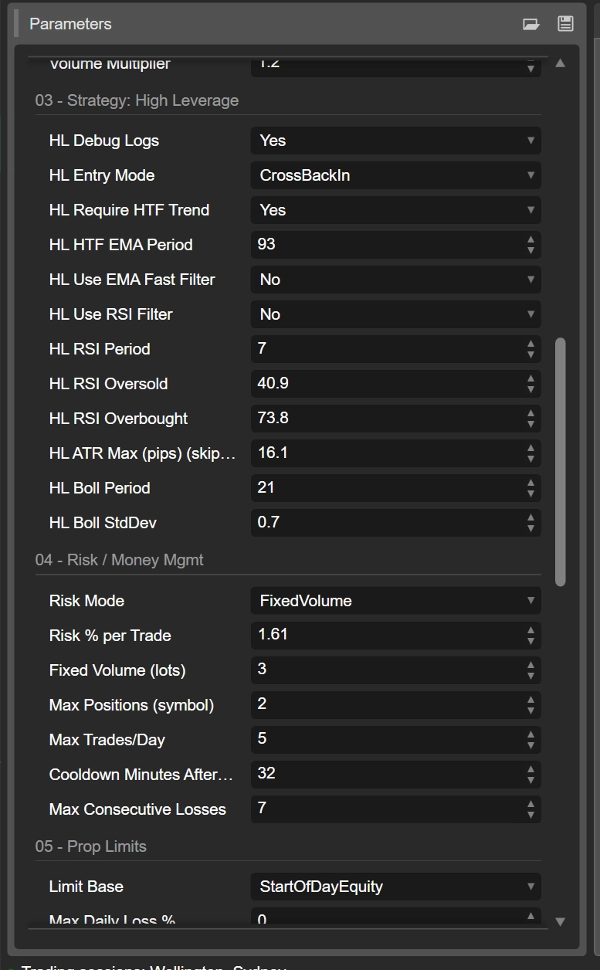
03 — Strategia: Alta Leva
- Log Debug HL: Stampa la linea di controllo HL (perfetto per diagnosticare “perché nessun trade”).
- Modalità Entrata HL:
-
- TouchAndCloseIn: deve toccare la banda e chiudere di nuovo dentro (più severo, più pulito)
- CrossBackIn: accetta segnali di cross e ritorno (più frequente)
- Richiede Trend HTF HL: Livello di sicurezza. OFF = pura mean-reversion. ON = entrate HL solo allineate alla direzione HTF.
- Periodo EMA HTF HL: Smussatura trend HTF per modalità HL.
- Usa Filtro EMA Veloce HL: Aggiunge un filtro micro-trend sul timeframe del grafico.
- Usa Filtro RSI HL / Periodo RSI HL / RSI HL Ipervenduto / RSI HL Ipercomprato:
-
- Long solo se RSI ≤ Ipervenduto
- Short solo se RSI ≥ Ipercomprato
Suggerimento: il classico 30/70 è severo. 45/55 dà più segnali.
Avvertenza: Ipervenduto estremamente basso (come 8) quasi mai si attiva.
- ATR Max HL (pips): Tetto opzionale di volatilità. Se ATR supera questo valore, le entrate HL sono saltate.
04 — Gestione Rischio / Denaro
- Modalità Rischio
-
- RiskPercent: dimensione posizione calcolata dalla distanza SL e % rischio per trade
- FixedVolume: dimensione lotto fissa (utile per test deterministici)
- % Rischio per Trade: Il driver principale per il prop. Impostazioni tipiche prop-friendly sono 0.25%–1% per trade.
- Volume Fisso (lotti): Permette lotti frazionari (min raccomandato 0.0001).
- Max Posizioni / Max Operazioni per Giorno: Mantiene il comportamento conforme al prop.
- Minuti di Cooldown Dopo Perdita / Max Perdite Consecutive: Ferma i “cicli di vendetta”.
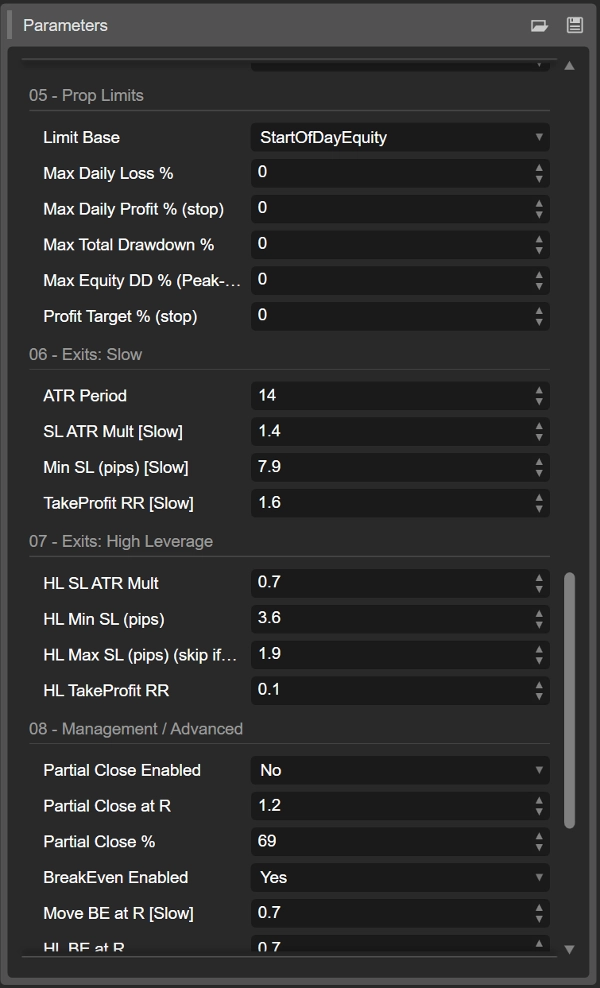
05 — Limiti Prop
- Base Limite: Definisce a quale valore si riferiscono i limiti giornalieri (equity inizio giornata, ecc.).
- Max Perdita Giornaliera %: Linea principale del prop (comunemente 4%).
- Max Profitto Giornaliero %: Tetto opzionale per fermarsi dopo aver raggiunto il target giornaliero.
- Max Drawdown Totale %: Limite rigido dal saldo iniziale.
- Max DD Equity % (Picco->Ora): Protezione drawdown high-water-mark.
- Obiettivo Profitto %: Ferma il trading una volta raggiunto l’obiettivo.
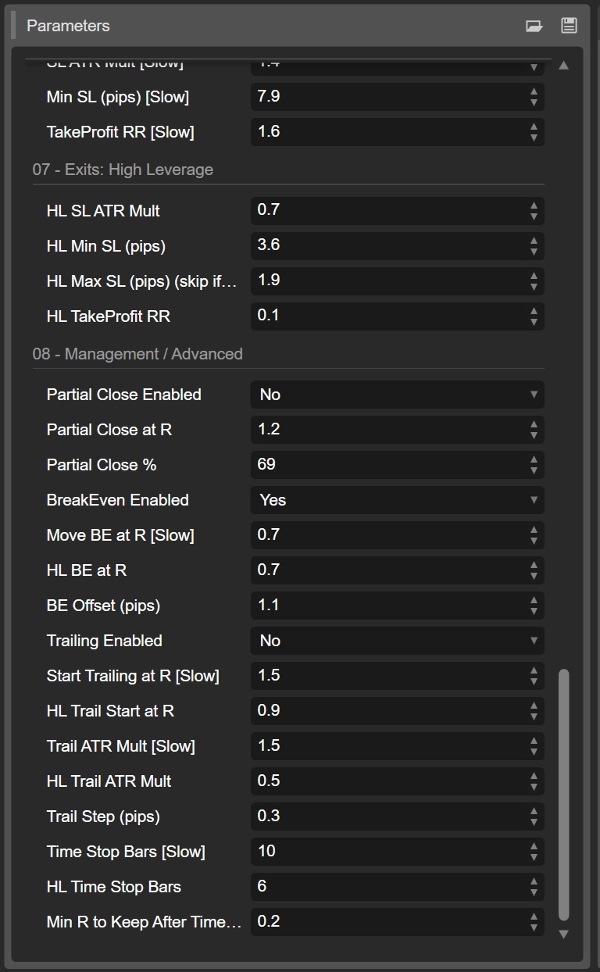
06–07 — Uscite (Lento & HL)
- Periodo ATR: Misura della volatilità per stop protettivi.
- Moltiplicatore SL ATR / SL Minimo: Definisce la distanza dello stop loss.
- TakeProfit RR: Rapporto Rischio:Rendimento per TP.
- Max SL HL (pips):
-
- Se troppo basso, le operazioni HL saranno spesso rifiutate (errore comune su Oro/Petrolio).
- Impostare a 0 (off) o scegliere valori realistici per simbolo.
08 — Gestione / Avanzate
- Chiusura Parziale: Prende profitto parziale a un “multiplo R” definito.
- BreakEven: Sposta lo SL all’entrata (+offset) dopo un certo R.
- Trailing: Trailing basato su ATR che si attiva dopo aver raggiunto una soglia R.
- Time Stop Bars: Chiude operazioni che non performano dopo N barre.
- Min R da Mantenere Dopo TimeStop: Se l’operazione non è almeno così profittevole, viene chiusa.
Esempi Pratici di Utilizzo
Esempio A — US500 sicuro per il prop (~leva media 20x)
Profilo: SlowTrendPullback
Obiettivo: curva stabile, basso stress, conforme al prop
- % Rischio per trade: 0.5%
- Max Perdita Giornaliera: 4%
- Max Operazioni/Giorno: 2–3
- TF Superiore: H4
- Min ADX: 15–20
- RR: 1.5–2.0
Esempio B — Oro/Petrolio (~leva media 500x)
Profilo: HighLeverageScalp
Obiettivo: capitalizzare sulle reazioni alle bande, gestione rigorosa
- % Rischio per trade: molto piccolo (esempio 0.05%–0.2%) a causa della leva
- Modalità Entrata HL: CrossBackIn (più segnali)
- RSI HL: prova 45/55 per iniziare (poi stringi)
- Max SL HL: 0 (off) o realistico per simbolo
- Max Spread HL: rigoroso (migliore esecuzione)
Risoluzione Problemi “Il Bot non opera”
Se qualcosa sembra sbagliato, fai così:
- Abilita Log Verbosi e Log Debug HL
- Il bot stamperà la ragione esatta del blocco:
- ore di trading, spread, max operazioni/giorno, cooldown,
- prontezza degli indicatori,
- condizioni HL non soddisfatte (con linea di controllo HL completa),
- SL troppo grande rispetto a Max SL HL,
- limiti prop raggiunti.
Quindi invece di indovinare, il registro ti dirà esattamente perché il bot non agisce.
Riepilogo
1. SlowTrendPullback: A steady, prop-safe approach that captures trend continuation using a higher timeframe EMA trend filter, pullback entries to EMA, and confirmation via RSI and ADX-DI indicators. This profile suits moderate leverage (10–30x) and controlled drawdowns.
2. HighLeverageScalp: An aggressive, mean-reversion strategy optimized for high leverage scenarios (50x–500x), employing Bollinger Bands for entry signals, optional RSI and higher timeframe trend filters, and tight trade management. It is best applied to volatile symbols like Gold (XAUUSD) and Oil.
The bot incorporates comprehensive prop-firm risk management features, including daily loss and profit limits, maximum drawdown controls, equity peak protection, cooldown periods after losses, and limits on trades per day and positions per symbol. It supports detailed logging for diagnostics and optimization, with parameters to customize trade side, timeframes, filters, risk per trade, stop loss, take profit, and advanced trade management such as partial closes, breakeven stops, and trailing stops.
Challenger Prop is adaptable to various assets when properly optimized, with published backtests demonstrating performance on Oil, Gold, and US500 indices under typical prop-firm constraints.
Recensioni dei clienti
5 | 50 % | |
4 | 25 % | |
3 | 25 % | |
2 | 0 % | |
1 | 0 % |