
Açıklama
Heikin Ashi Yapı Eğilimi (cTrader Göstergesi)
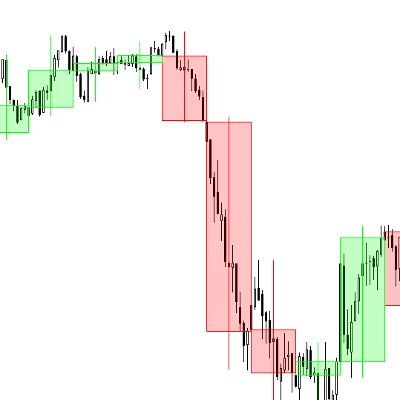
Çok zaman dilimli eğilimle otomatik arz-talep bölgeleri.
Ne yapar – basitçe anlatmak gerekirse
Bu gösterge otomatik olarak:
- Heikin Ashi fiyat hareketini okur ve anlamlı pivot değişimlerini tespit eder.
- Bu pivotlar etrafında dinamik destek ve direnç bölgeleri oluşturur, sadece rastgele çizgiler değil, fitil uçları ve mum gövdesini kullanarak.
- Yakın bölgeleri akıllıca birleştirir böylece yatay çizgiler ormanı yerine temiz, işlem yapılabilir seviyeler görürsünüz.
- Fiyat en son destek veya direnç bölgesini tamamen kırdığında net bir yükseliş veya düşüş eğilimi oluşturur.
- Aşağıdaki eğilimleri gösterir:
-
- Grafik zaman diliminiz ve
- İsteğe bağlı bir daha yüksek zaman dilimi (varsayılan H2) — grafik üzerinde HTF karmaşası olmadan.
Sonuç: Bir bakışta gerçek seviyelerin nerede olduğunu ve piyasanın şu anda yukarı mı yoksa aşağı mı eğilimli olduğunu görürsünüz.
Çözdüğü problem
Çoğu trader aynı sorunlarla karşılaşır:
- Elle çizilen destek/direnç çizgileri:
-
- öznel,
- tutarsız,
- ve genellikle aşırı çizilmiş.
- Basit “zigzag + yatay çizgi” göstergeleri:
-
- bölge genişliğini doğru yönetmez,
- seviyeleri üst üste yığar,
- ve bölgeleri o kadar uzatır ki grafik yarısını kaplar.
- Eğilim genellikle “aklınızda” olur – net göremediğiniz veya kural tabanlı kullanamadığınız bir şeydir.
Bu gösterge şunlar için tasarlanmıştır:
- Heikin Ashi yapısını net, objektif bölgelere dönüştürmek,
- Bu bölgelere dayalı kural tabanlı trend/eğilim vermek,
- Grafiği temiz ve okunabilir tutmak.
Bölgeler nasıl oluşturulur (trader dostu açıklama)
Her Heikin Ashi pivotu için gösterge bir 3 mumluk yapı inceler:
- HA kırmızıdan yeşile döndüğünde, bir destek pivotu işaretler.
- HA yeşilden kırmızıya döndüğünde, bir direnç pivotu işaretler.
Sonra bölgeyi oluşturur:
Destek bölgeleri
- 3 mum arasındaki en düşük fitili bulur (gerçek uç).
- Bu uçtan daha yüksek olan bir sonraki en düşük dip bulur.
- Bu iç dip yakınındaki mum gövdesini (açılış/kapanış) kullanarak bölgenin “işlem yapılabilir” tarafını tanımlar.
- Son destek bölgesi:
-
- Alt = uç fitil dibi,
- Üst = gövde tabanlı iç seviye.
Direnç bölgeleri
- 3 mum arasındaki en yüksek fitili bulur.
- Bu uçtan daha düşük olan bir sonraki en yüksek tepesi bulur.
- Bu iç tepe yakınındaki mum gövdesini kullanır.
- Son direnç bölgesi:
-
- Üst = uç fitil tepesi,
- Alt = gövde tabanlı iç seviye.
Yani her bölge sadece rastgele bir bant değildir:
Fiyatın gerçekten reddettiği veya döndüğü fitilden gövdeye aralıktır.
Birleştirme mantığı (grafiğin temiz kalmasının nedeni)
Aynı türdeki bölgeler (destek ile destek, direnç ile direnç):
- Zaman çizelgesinde birimler olarak ele alınır.
- Fiyat olarak gerçekten üst üste binmeleri durumunda birleşebilirler.
- Birleştirme kesinlikle yereldir:
-
- Yeni bir bölge şunlarla birleşebilir:
-
- en son bölgeyle (arka arkaya), veya
- ikinci en son bölgeyle (+1 boşluk), ve
- Eğer yeni birleşik bölge önceki yapıyla örtüşüyorsa bir ek “çapa” birleşmesi daha yapılır.
Bu davranışı sezgisel tutar:
- Bölgeler tüm geçmişi “yutmaz”.
- Eski seviyelere saygı gösterilir ama dev mega bölgeler oluşturmasına izin verilmez.
- A–B–C veya A–C+D gibi yerel yapılar kontrollü şekilde yönetilir.
Eğilim mantığı (gerçekten nasıl işlem yaparsınız)
Her zaman dilimi için (ana ve HTF):
- Gösterge en son birleşmiş destek bölgesini ve en son birleşmiş direnç bölgesini takip eder.
- Sonra, her kapanan mumda:
-
- Fiyat en son direnç bölgesinin üzerinde kapanırsa → eğilim Yükseliş olur.
- Fiyat en son destek bölgesinin altında kapanırsa → eğilim Düşüş olur.
Şunları saklar:
- Son eğilim değişiminin zamanını,
- Fiyatın bölgeyi kırdığı seviyesini.
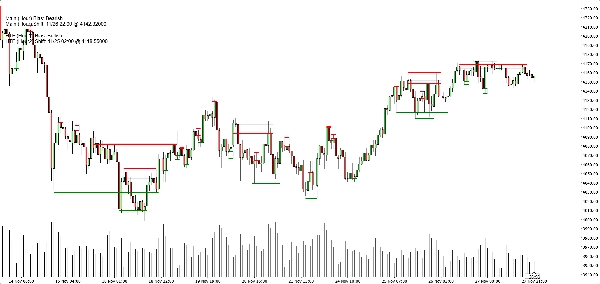
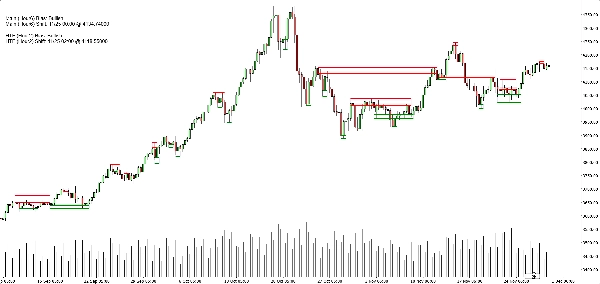
Grafikte küçük bir metin paneli şunları gösterir:
Ana (H1) Eğilim: YükselişAna (H1) Değişim: 11/26 15:00 @1.08750
HTF etkinleştirilmişse, ayrıca şunu görürsünüz:
HTF (H2) Eğilim: DüşüşHTF (H2) Değişim: 11/25 08:00 @1.09200
Ana zaman dilimi eğilimi değiştiğinde sesli uyarı da etkinleştirebilirsiniz.
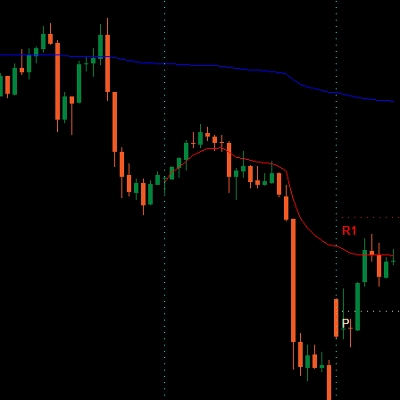
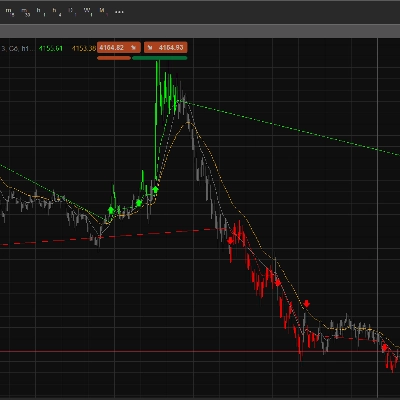
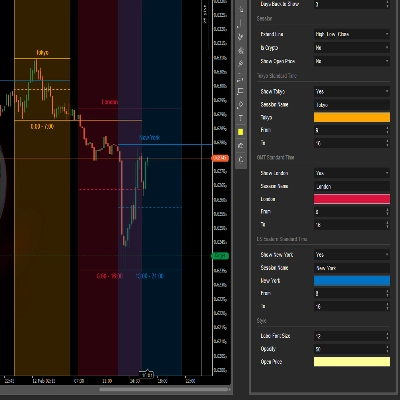
Grafikte gördükleriniz
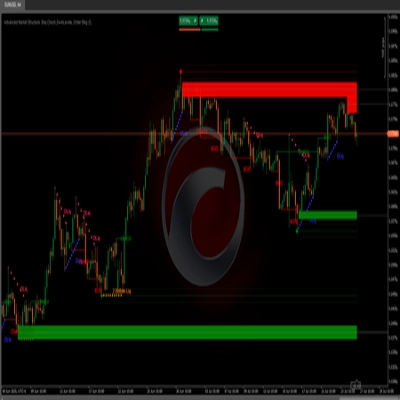
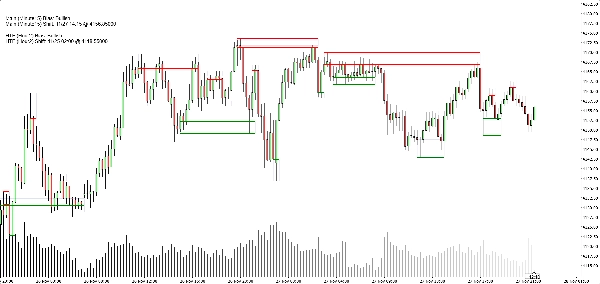
- Destek bölgeleri:
-
- Yeşil yatay temel/tetikleyici çizgiler (isteğe bağlı),
- Tam destek bandını gösteren yumuşak lacivert dikdörtgen (çok düşük opaklıkta).
- Direnç bölgeleri:
-
- Kırmızı çizgiler + band için yumuşak lacivert dikdörtgen.
- Temiz görüntü açma/kapama seçenekleri:
-
- Destek bölgelerini göster/gizle,
- Direnç bölgelerini göster/gizle,
- Doldurulmuş dikdörtgenleri aç/kapa,
- Temel/tetikleyici çizgileri aç/kapa,
- Eğilim panelini aç/kapa.
Bu, farklı traderların şunlar arasında seçim yapmasını sağlar:
- Daha minimalist bir görünüm (belki sadece dikdörtgenler), veya
- Daha kesin bir görünüm (net çizgiler görünür).
Tipik kullanım durumları
Şunu kullanışlı olarak konumlandırabilirsiniz:
- Trend filtreleme
-
- Sadece hem ana zaman dilimi hem de HTF eğilimleri Yükseliş olduğunda alış arayın.
- Sadece ikisi de Düşüş olduğunda satış arayın.
- Bölge girişleri
-
- Bölgeleri ilgi alanları olarak kullanın:
-
- Limit emirleri,
- Onay girişleri (örneğin fiyat kırılan bölgeye geri döner ve tekrar reddeder),
- Durdurma yerleştirmesi dış banda biraz öteye.
- Yukarıdan aşağı analiz
-
- HTF eğilimi (varsayılan H2) büyük resmi gösterir,
- Grafik zaman dilimi eğilimi zamanlamayı sağlar,
- Bölgeler somut yürütme seviyeleri için kullanılır.
Olmadığı şey (dürüst satış için önemli)
- O otomatik işlem yapan bir robot değildir.
- O kâr garantileyen “kutsal kase” sinyali değildir.
- Bir yapı ve eğilim motorudur:
-
- Objektif olarak bölgeleri tanımlar,
- Bu bölgelere dayalı objektif trend/eğilim tanımlar,
- Gerçek işlem yönetimini trader/stratejiye bırakır.
Özet
It provides a rule-based bullish or bearish bias by tracking price breaks above resistance or below support zones on both the current chart timeframe and an optional higher timeframe. This bias is displayed on a built-in dashboard panel, with optional sound alerts for bias changes.
The indicator works across all timeframes and markets where price forms swings, including forex, crypto, stocks, and futures. It features customizable lookback periods, automatic cleanup of old zones, and toggles for display elements to suit different trader preferences.
Typical uses include trend filtering by aligning biases across timeframes, identifying zone entries for limit or confirmation orders, and supporting top-down analysis. The tool timestamps and sequences pivots and bias shifts, facilitating automation or journaling. It is a structure and bias engine that aids traders in objectively defining market levels and trends while maintaining chart clarity.
Tartışma
Müşteri değerlendirmeleri
5 | 33 % | |
4 | 67 % | |
3 | 0 % | |
2 | 0 % | |
1 | 0 % |