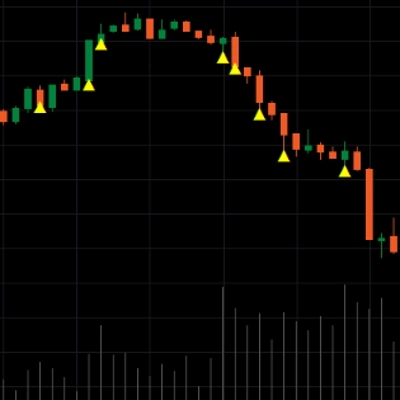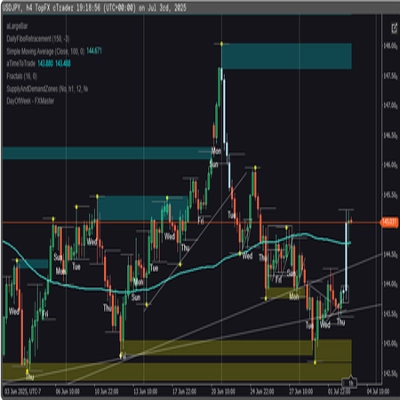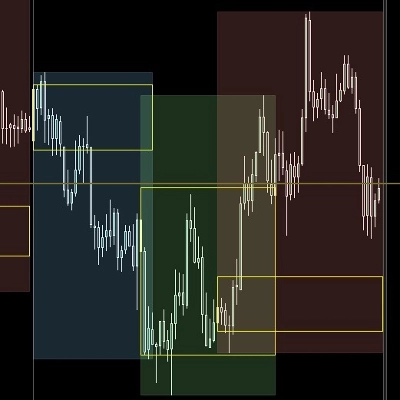
Deskripsi
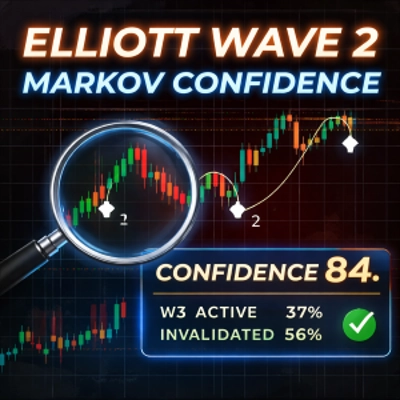
Elliott CLEAN — Wave2 + Markov Confidence
Elliott CLEAN adalah indikator analitis canggih yang dirancang untuk membantu para trader mengidentifikasi, memvalidasi, dan mengelola setup Elliott Wave 2 menggunakan kombinasi struktur pasar dan probabilitas statistik.
Alih-alih memprediksi arah harga, indikator ini fokus pada transisi struktural dan menjawab pertanyaan yang lebih berguna:
Seberapa besar kemungkinan Wave 2 berkembang menjadi Wave 3 yang valid dan berkelanjutan — dan seberapa besar kepercayaan trader terhadap skenario tersebut?
Apa yang Dilakukan Indikator Ini
Elliott CLEAN secara otomatis:
- Mendeteksi struktur Wave 1–Wave 2 berdasarkan pivot ayunan
- Menentukan pemicu, stop-loss, invalidasi, dan target Wave 3
- Melacak hasil struktural historis menggunakan model Markov 5-status
- Menghitung probabilitas kondisional untuk:
-
- Aktivasi Wave 3
- Invalidasi setup
- Kelelahan awal Wave 3
- Mengubah probabilitas ini menjadi Skor Kepercayaan tunggal (0–100)
Ini memungkinkan trader untuk menyaring setup berkualitas rendah, menghindari over-trading, dan menekan perdagangan hanya ketika struktur dan statistik selaras.
Fitur Utama
- ✅ Deteksi otomatis Elliott Wave 2
- ✅ Beberapa mode konfirmasi (Break+Hold, Break, Reclaim, Wick)
- ✅ Pemicu, stop-loss, invalidasi, dan target yang jelas
- ✅ Mesin probabilitas Markov 5-status (berbasis event/ayunan, bukan bar)
- ✅ Probabilitas kondisional waktu nyata ditampilkan di grafik
- ✅ Skor Kepercayaan tunggal (0–100) untuk dukungan keputusan
- ✅ Desain HUD yang bersih dan tidak mengganggu
- ✅ Bekerja pada simbol dan timeframe apa pun
Skor Kepercayaan (Penting)
Skor Kepercayaan bukan tingkat kemenangan dan bukan sinyal.
Ini adalah metrik kualitas kontekstual yang berasal dari transisi struktural historis:
- Selama Wave 2, skor mencerminkan:
-
- Probabilitas dimulainya Wave 3
- Disesuaikan dengan probabilitas kegagalan awal
- Selama Wave 3, skor mencerminkan:
-
- Kemungkinan historis bahwa Wave 3 berlanjut tanpa kelelahan awal
Dalam praktiknya:
- Skor rendah = struktur lemah atau tidak dapat diandalkan
- Skor tinggi = struktur jarang tetapi secara statistik kuat
Ini membantu trader memutuskan kapan harus berhati-hati dan kapan membiarkan perdagangan berjalan.
Kasus Penggunaan Tipikal
- ✔ Menyaring setup Elliott Wave sebelum masuk posisi
- ✔ Menghindari perdagangan Wave 2 yang marginal atau berkualitas rendah
- ✔ Menyesuaikan ukuran posisi berdasarkan kepercayaan
- ✔ Mengelola perdagangan Wave 3 dengan gangguan emosional yang lebih sedikit
- ✔ Mendukung perdagangan diskresioner dengan data struktur objektif
Indikator ini sangat berguna bagi trader yang sudah memahami teori Elliott Wave dan menginginkan konfirmasi kuantitatif tanpa otomatisasi.
Cara Menggunakan (Alur Kerja Dasar)
- Pasang indikator ke grafik
- Pilih mode konfirmasi yang Anda sukai
- Tunggu struktur Wave 2 yang valid
- Amati:
-
- Pemicu, stop-loss, invalidasi
- Probabilitas Markov
- Skor Kepercayaan
- Putuskan apakah setup layak diperdagangkan berdasarkan struktur + kepercayaan
Catatan Penting & Penyangkalan
- Indikator ini bersifat analitis, bukan prediktif
- Indikator ini tidak menghasilkan sinyal beli/jual
- Statistik struktural masa lalu tidak menjamin hasil di masa depan
- Perdagangan melibatkan risiko; pengguna bertanggung jawab penuh atas keputusan mereka
Indikator ini dimaksudkan sebagai alat pendukung keputusan untuk trader diskresioner.
Untuk Siapa Indikator Ini
- Trader yang familiar dengan konsep Elliott Wave
- Trader diskresioner yang menghargai struktur daripada indikator
- Trader yang mencari filter objektif, bukan sistem otomatis
- Pengguna yang menginginkan konteks probabilitas, bukan label retrospektif
_______________________
HUD & Status
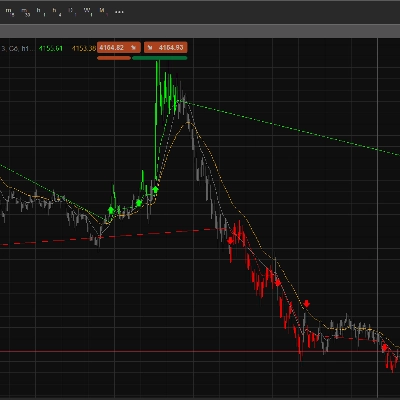
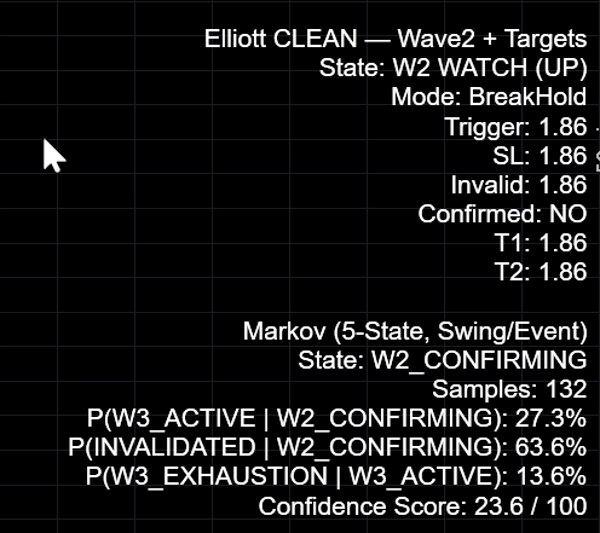
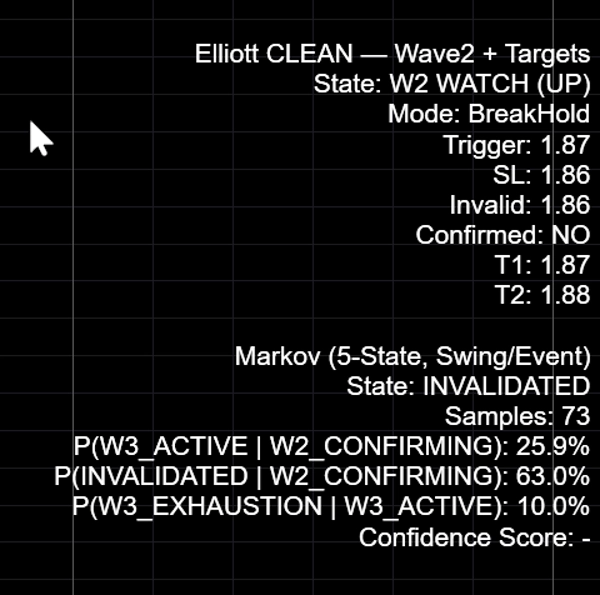
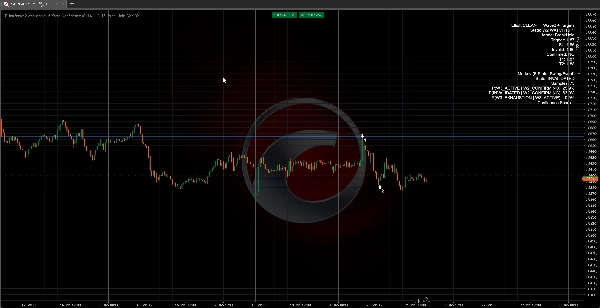
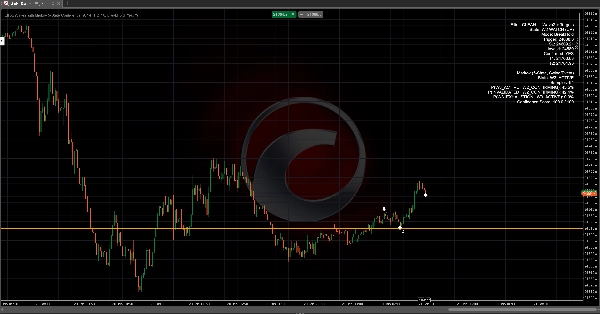
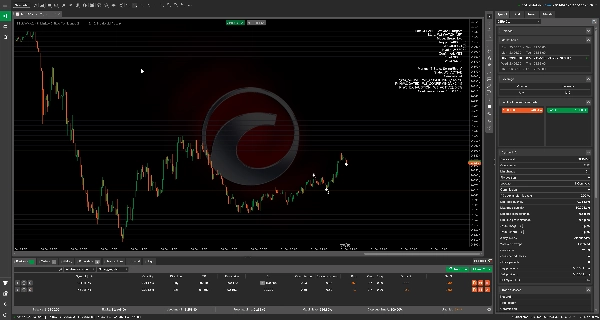
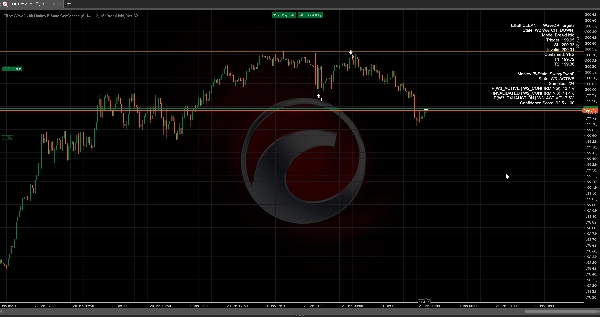
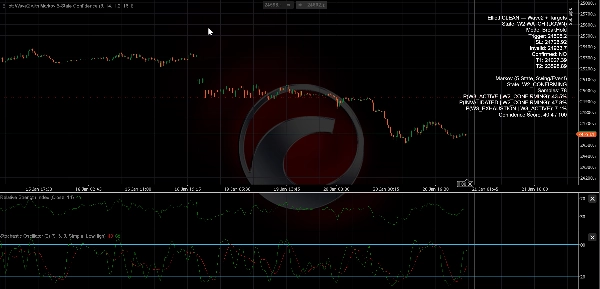
Indikator mencetak level struktur dan probabilitas Markov langsung di grafik.
Lapisan Elliott inti:
- Status: W2 WATCH (NAIK/TURUN) — potensi Wave 2 hadir (struktur ditemukan)
- Terkonfirmasi: YA/TIDAK — aturan konfirmasi yang Anda pilih telah terpenuhi
- Pemicu — harga level harus menembus/merebut kembali (tergantung mode)
- SL — level stop protektif yang disarankan (tergantung mode SL)
- Invalid — level invalidasi struktural (awal Wave 1)
- T1/T2 — proyeksi Wave 3 menggunakan pengali
Lapisan Markov:
- Status — status Markov saat ini (misalnya,
W2_CONFIRMING,W3_ACTIVE,INVALIDATED) - Sampel — jumlah historis yang digunakan untuk probabilitas
- P(W3_ACTIVE | W2_CONFIRMING) — peluang Wave 3 aktif dari fase Wave 2
- P(INVALIDATED | W2_CONFIRMING) — peluang setup gagal selama fase Wave 2
- P(W3_EXHAUSTION | W3_ACTIVE) — peluang Wave 3 gagal lebih awal setelah aktif
Skor Kepercayaan (0–100)
Skor Kepercayaan bukan tingkat kemenangan dan bukan jaminan. Ini adalah metrik kualitas yang berasal dari transisi struktural historis.
Cara menggunakan skor:
- Selama
W2_CONFIRMING, skor mencerminkan “kemungkinan aktivasi” yang disesuaikan dengan risiko kegagalan awal. - Selama
W3_ACTIVE, skor mencerminkan “ketahanan kelanjutan” (risiko kelelahan awal rendah).
Selalu interpretasikan skor bersama dengan: (1) kejelasan struktur, (2) jarak invalidasi, dan (3) ukuran sampel.
Input (Fungsi mereka)
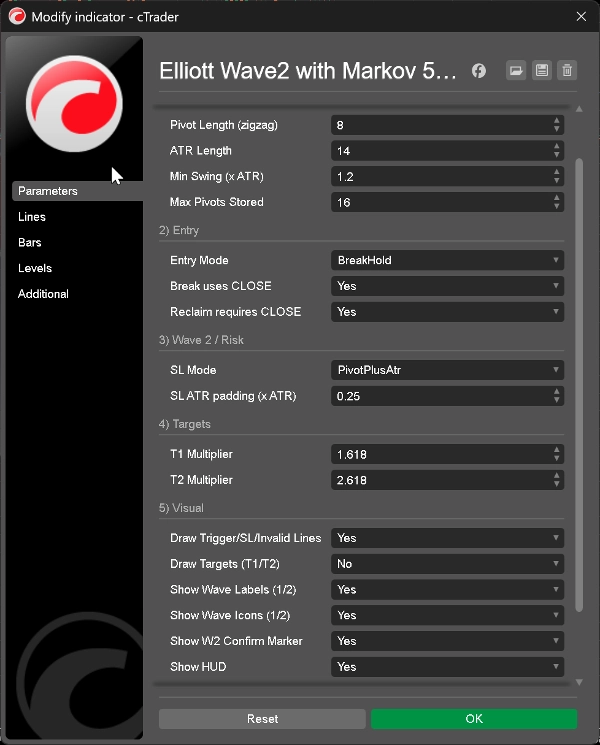
1) Pivot / Struktur
- Panjang Pivot (zigzag): Mengontrol sensitivitas ayunan. Semakin tinggi = semakin sedikit ayunan, struktur lebih bersih.
- Panjang ATR: Jendela ATR yang digunakan untuk penyaringan ayunan dan padding SL opsional.
- Ayunan Minimum (×ATR): Ukuran ayunan minimum untuk menerima pivot (menyaring noise).
- Maksimum Pivot yang Disimpan: Membatasi riwayat ayunan yang disimpan (kinerja & stabilitas).
2) Entry
- Mode Entry: Pilih gaya konfirmasi:
-
BreakHold— lebih aman: break lalu tahan melewati pemicuBreak— lebih cepat: break pemicu sekaliReclaim— perilaku sweep + reclaimWick— agresif: wick melewati pemicu
- Break menggunakan CLOSE: Menggunakan close bukan wick untuk logika break (disarankan).
- Reclaim memerlukan CLOSE: Memerlukan close di sisi yang benar setelah sweep.
3) Wave 2 / Risiko
- Mode SL: Menentukan baseline penempatan stop.
- Padding SL ATR (×ATR): Buffer ekstra saat menggunakan stop berbasis ATR.
4) Target
5) Visual
- Gambar Garis Trigger/SL/Invalid: Tampilkan/sembunyikan level horizontal inti.
- Gambar Target: Garis target opsional (kurang “bersih”).
- Tampilkan Label / Ikon Wave: Tampilkan penanda wave (1/2).
- Tampilkan Penanda Konfirmasi W2: Menampilkan penanda konfirmasi.
- Tampilkan HUD: Tampilkan/sembunyikan seluruh HUD.
Cara menggunakan:
- Pindai beberapa pasar, lalu fokus hanya pada lingkungan struktural berkualitas lebih tinggi.
- Gunakan skor + ukuran sampel untuk memutuskan kapan setup layak waktu dan risiko.
FAQ
Apakah ini bekerja pada semua simbol dan timeframe?
Ya. Ini adalah pendekatan berbasis struktur. Hasil dan probabilitas akan bervariasi tergantung perilaku pasar dan volatilitas.
Apakah Skor Kepercayaan adalah tingkat kemenangan?
Tidak. Ini adalah skor kualitas struktural yang berasal dari transisi status historis (model Markov). Ini tidak menjamin hasil.
Mengapa skor sering rendah selama Wave 2?
Karena aktivasi Wave 3 bersifat selektif. Banyak kandidat Wave 2 gagal atau berfluktuasi. Indikator ini dirancang untuk menyaring yang seperti itu.
Bagaimana dengan ukuran sampel yang kecil?
Anggap probabilitas kurang stabil saat ukuran sampel kecil. Gunakan skor sebagai konteks, bukan kepastian.
Pernyataan Risiko
Perdagangan melibatkan risiko dan mungkin tidak cocok untuk semua investor. Kinerja masa lalu dan probabilitas historis tidak menjamin hasil di masa depan. Indikator ini hanya menyediakan informasi analitis dan tidak merupakan nasihat investasi atau rekomendasi untuk membeli atau menjual instrumen apa pun. Anda bertanggung jawab atas keputusan, manajemen risiko, dan kepatuhan terhadap peraturan lokal.
Elliott Wave, Struktur Pasar, Analisis Teknikal, Probabilitas, Analisis Statistik, Swing Trading, Manajemen Risiko, Dukungan Keputusan
Ringkasan
Key features include multiple confirmation modes (Break+Hold, Break, Reclaim, Wick), real-time probability display on the chart, a clean HUD design, and compatibility with any symbol and timeframe. The Confidence Score is a contextual quality metric derived from historical structural transitions and is not a direct trading signal or win-rate. The indicator supports discretionary traders familiar with Elliott Wave theory who seek quantitative confirmation and risk management tools without automated trade execution. Inputs allow customization of pivot sensitivity, entry confirmation style, stop-loss placement, and target projections based on Fibonacci multipliers. The tool is intended as decision support, emphasizing structure clarity and probability context for trade evaluation.
Ulasan pelanggan
5 | 100 % | |
4 | 0 % | |
3 | 0 % | |
2 | 0 % | |
1 | 0 % |
![Logo "[Hamster-Coder] Pivot Points MTF"](https://cdn.ctrader.com/image/webp/4c143e5a-309c-40e3-a578-f04d1e133ffa_31159)