


คำอธิบาย
Quant Engine Bot คือหุ่นยนต์ซื้อขายเชิงอัลกอริทึมที่ผสานหลายชั้นของการวิเคราะห์เพื่อสร้างสัญญาณเข้าเทรดที่มีโอกาสสำเร็จสูง แตกต่างจากหุ่นยนต์ที่ใช้ตัวชี้วัดแยกเดี่ยว ระบบนี้ใช้สถาปัตยกรรมแบบสายการผลิตที่รวมการวิเคราะห์ Price Action, Order Flow, Market Regimes และโมเดลความน่าจะเป็นที่ใช้ Machine Learning สำหรับการตัดสินใจเข้าและออก
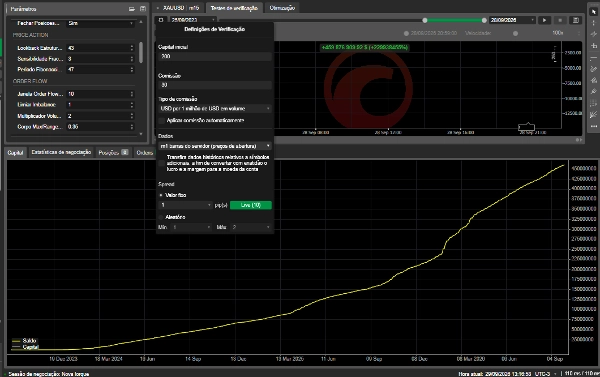
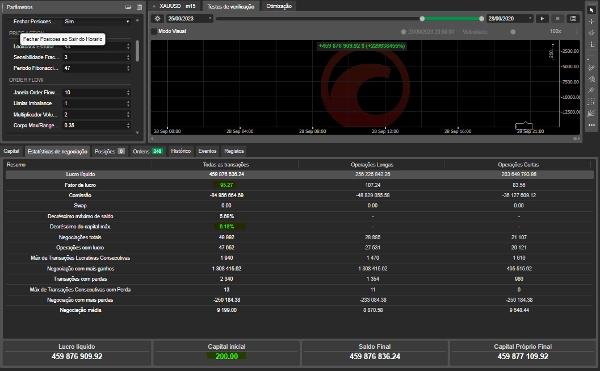
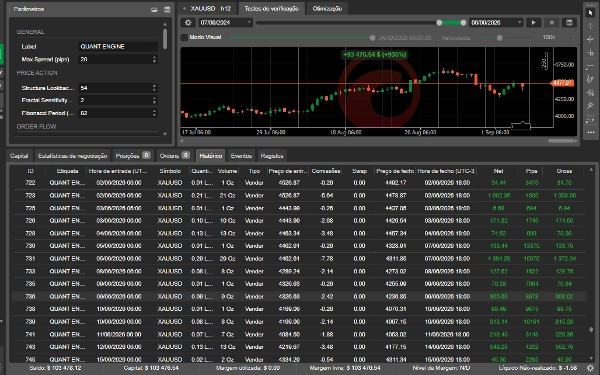
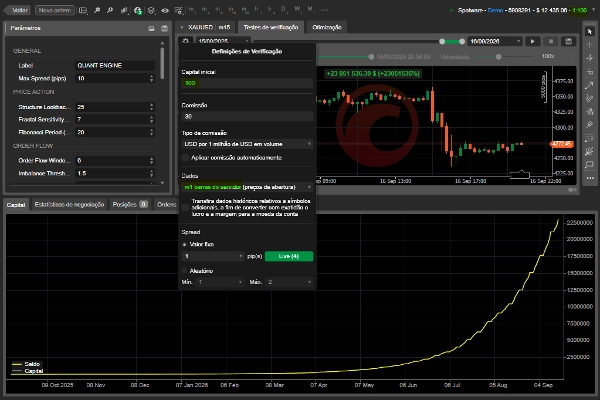
พารามิเตอร์สำหรับ XAU/USD ในกรอบเวลาของ H12, H1 และ M15
github.com/maike82/Quant-Engine-MGC
🧠 กลยุทธ์หลัก
สายการตัดสินใจ (4 ชั้น)
text
PRICE ACTION , ORDER FLOW ,MARKET REGIME , ML EDGE PROBABILITY , RISK ENGINE , EXECUTION ENGINE → DYNAMIC TP / PARTIALS / TRAILING ML
1. PRICE ACTION - โครงสร้างตลาด
วัตถุประสงค์: เพื่อระบุแนวโน้มโครงสร้างและจุดเปลี่ยน
ส่วนประกอบ:
Swing Points (Fractals): การระบุอัตโนมัติของจุดสูงสุดและต่ำสุดพร้อมความไวที่ปรับได้
BOS (Break of Structure): ยืนยันการดำเนินแนวโน้ม
CHOCH (Change of Character): สัญญาณเริ่มต้นของการกลับตัวแนวโน้ม
Fibonacci Fractals: โซนการย้อนกลับที่เหมาะสม (38.2% - 61.8%) สำหรับการเข้าเทรด
VWAP (Volume-Weighted Average Price): อ้างอิงมูลค่ายุติธรรมรายวัน
วิธีสร้างความได้เปรียบ:
เทรดเฉพาะในทิศทางของโครงสร้างที่ได้รับการยืนยัน
ค้นหาจุดเข้าในโซน "ส่วนลด" ภายในแนวโน้ม
ระบุการเปลี่ยนแปลงของลักษณะก่อนที่จะกลายเป็นการกลับตัวเต็มรูปแบบ
2. ORDER FLOW
วัตถุประสงค์: เพื่อเข้าใจว่าใครควบคุมตลาด (ผู้ซื้อกับผู้ขาย) ส่วนประกอบ:
Estimated Delta per Bar
วัดความไม่สมดุลระหว่างผู้ซื้อและผู้ขาย
Absorption: ระบุผู้เล่นรายใหญ่ที่ "ดูดซับ" คำสั่งโดยไม่ทำให้ราคาขยับ (สะสม/แจกจ่ายแบบเงียบ)
Liquidity Profile: จัดประเภทสภาพแวดล้อมเป็นสภาพคล่องสูง/กลาง/ต่ำ
วิธีสร้างความได้เปรียบ:
ยืนยันว่าการไหลของคำสั่งสอดคล้องกับโครงสร้างตลาด
ตรวจจับความแตกต่างระหว่างราคาและการไหล (อาจหมดแรง)
สัญญาณการดูดซับแสดงถึงการก่อตัวของการสะสม/แจกจ่าย
3. MARKET REGIME - การจัดประเภทสภาพแวดล้อม
วัตถุประสงค์: ปรับกลยุทธ์ให้เข้ากับสภาพตลาดปัจจุบัน
ส่วนประกอบ:
ADX (Average Directional Index): วัดความแข็งแกร่งของแนวโน้ม
ATR (Average True Range): วัดความผันผวน
Relative Volatility: เปรียบเทียบ ATR ปัจจุบันกับค่าเฉลี่ยในอดีต
4. ML EDGE PROBABILITY - โมเดลความน่าจะเป็น
วัตถุประสงค์: รวบรวมข้อมูลทั้งหมดเป็นความน่าจะเป็นของความได้เปรียบ โมเดลคะแนนถ่วงน้ำหนัก (Sigmoidal):
แนวโน้มที่ได้รับการยืนยัน, BOS/CHOCH
แรงกดดันซื้อ/ขาย, ความไม่สมดุล, การดูดซับ
Fibonacci, VWAP
ความแข็งแกร่งของแนวโน้ม, ความผันผวน
โทษสำหรับความแตกต่าง
🎯 การดำเนินการและการจัดการ
RISK ENGINE - การจัดการความเสี่ยง
พารามิเตอร์ คำอธิบาย
ความเสี่ยงต่อการเทรด 0.1% ถึง 10% ของยอดเงิน
จุดหยุดขาดทุนเชิงโครงสร้าง อิงจากจุดสวิง + บัฟเฟอร์ ATR
ขาดทุนสูงสุดรายวัน 3% (บล็อกการเข้าใหม่)
ปริมาณ คำนวณอัตโนมัติตามความเสี่ยงหรือกำหนดค่าคงที่
EXECUTION ENGINE - การเข้าเทรด
คำสั่งตลาด: ดำเนินการทันที (ค่าเริ่มต้น)
Grid (Pyramiding): เพิ่มตำแหน่งในทิศทางของแนวโน้ม
สูงสุด 3 ระดับ
ลดขนาดการเพิ่ม (50% ของปริมาณเริ่มต้น)
DYNAMIC TP / PARTIALS / ML TRAILING
กำไรเป้าหมายแบบไดนามิก:
Partial (50%): ปิดครึ่งหนึ่งของตำแหน่งที่เป้าหมายแรก
ML Exit: ปิดตำแหน่งที่เหลือหากความเสี่ยงกลับตัว ≥ 65%
อัปเดตและกำหนดค่าเรียบร้อย พร้อมเทรด XAU/USD; เครื่องมืออื่นต้องการการปรับแต่ง
เวลา ช่วงเวลาลอนดอน + นิวยอร์ก (สภาพคล่องสูง)
ปรับตัว: ปรับให้เข้ากับสภาพตลาดต่างๆ
แข็งแกร่ง: หลายชั้นของการยืนยันลดสัญญาณเท็จ
การจัดการแบบไดนามิก: TP และ trailing ปรับตามสภาพ
ปกป้องทุน: จำกัดการขาดทุนรายวัน
Smart Grid: Pyramiding เฉพาะในแนวโน้มที่แข็งแกร่ง
การเทรด Forex, CFDs และเครื่องมือทางการเงินที่ใช้เลเวอเรจอื่นๆ มีความเสี่ยงและอาจทำให้สูญเสียทุนได้
สรุป
Risk management features include adjustable risk per trade (0.1% to 10%), structural stop losses based on swing points plus ATR buffers, a maximum daily loss limit of 3% that blocks new entries, and automatic volume calculation. The execution engine supports immediate market orders and a pyramiding grid with up to three levels, reducing addition size progressively. Trade management incorporates dynamic take profit with partial position closure and machine learning-based trailing exits triggered by reversal risk. The bot operates primarily during London and New York sessions and is configured for adaptive, robust trend trading with capital protection mechanisms.
การสนทนา
รีวิวจากลูกค้า
คำถามที่พบบ่อย





นอกจากนี้คุณยังอาจชอบ












ราคา