

Opis
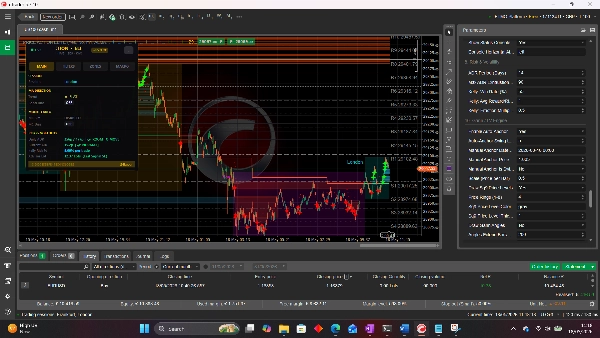
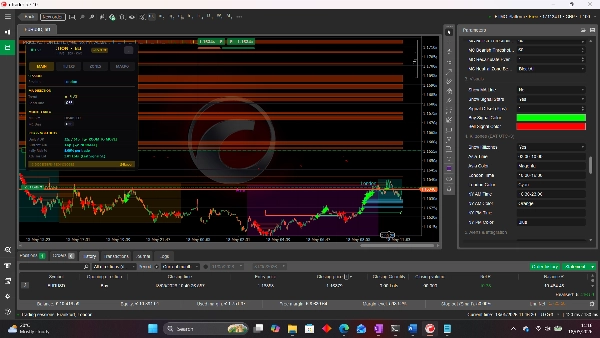
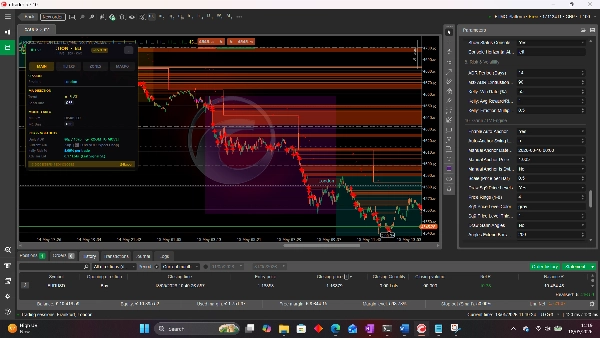
Wskaźnik Price Action Elite jest zbudowany na modularnej, wieloetapowej architekturze. Zamiast polegać na jednym koncepcie, wymaga, aby rynek przeszedł przez sekwencję logicznych "bram" przed wygenerowaniem sygnału.
Modyfikacja parametrów włącza lub wyłącza te bramy, zaostrza lub łagodzi ich kryteria i zasadniczo zmienia wskaźnik z agresywnego skalpera na konserwatywny system swingowy.
Oto szczegółowy podział, jak dostosowanie tych parametrów prowadzi do zupełnie różnych wyników sygnałów.
1. Fundament: Kierunek sygnału
Zanim wskaźnik poszuka konkretnego wzoru, określa swój kierunkowy bias na podstawie twoich ustawień Grupy 0. To główny przełącznik zachowania algorytmu.
- Włącz sygnały trendu: Po aktywacji wskaźnik szuka tylko sygnałów zgodnych z Wyższym Interwałem Czasowym (HTF) Średnią Kroczącą. Modyfikacja tego zapewnia, że handlujesz wyłącznie kontynuacjami i cofnięciami.
- Włącz sygnały odwrócenia: Po aktywacji wskaźnik szuka okazji przeciwnych do trendu. Poluje na punkty wyczerpania (cena znacznie powyżej MA), aby sygnalizować handel powrotny do średniej.
- Wynik: Włączenie obu tworzy system o wysokiej częstotliwości, który łapie trendy i wygładza ekstremy. Włączenie tylko jednego tworzy wyspecjalizowany system o pojedynczym fokusie.
2. Wyzwalacz: Tryby wejścia (Grupa 2)
Parametr EntryMode określa dokładny wzór price action wymagany do wyzwolenia sygnału. Zmiana tego ustawienia całkowicie zmienia to, co wskaźnik uznaje za ważny handel.
- Tryby SMC (OB/FVG): Koncentruje się na śladach instytucjonalnych. Modyfikacja parametrów takich jak
MinObImbalancePipslubMaxFvgPipszmusza wskaźnik do ignorowania małych, nieistotnych luk i sygnalizowania tylko na dużych przesunięciach. - Szybkie tryby wejścia M1 (Engulfing, Wick Rejection, BOS): To bardzo czułe wyzwalacze. Strojenie
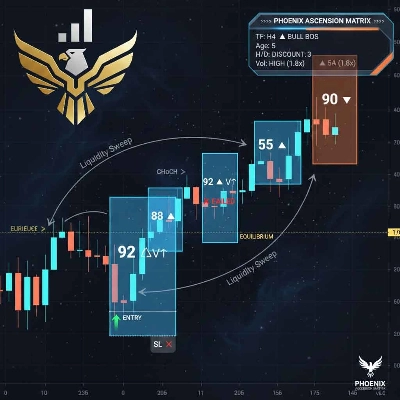
EngulfingMinBodyMultlubWickRejectionRatiozapewnia, że algorytm ignoruje "doji" szumy i wyzwala tylko przy agresywnym impuslu lub wyraźnym odrzuceniu pin-bar. - CRT (Teoria zakresu świecy): Zmienia wynik na strategię opartą na manipulacji. Wskaźnik zmapuje strefę konsolidacji, poczeka na zatrzymanie traderów detalicznych przez fałszywe wybicie (Sweep), a następnie sygnalizuje wejście w prawdziwym kierunku.
- Wzory skalpingowe (Inside Bar, 3-Bar Reversal): Stroi system pod mikro-wolatility. Zaostrzenie
InsideBarCompressionPctoznacza, że sygnały pojawią się tylko wtedy, gdy rynek jest mocno skompresowany, przewidując masywne, wybuchowe wybicie.
3. Bramy konfluencji: Standardowe filtry (Grupy 2.1 – 2.6)
Gdy wzór zostanie znaleziony, musi przejść przez filtry wskaźnika. Włączenie ich działa jak system "weta" przeciwko złym ustawieniom.
- Filtr nachylenia & trendu: Zapobiega wyzwalaniu systemu podczas martwych, płaskich rynków. Jeśli
UseSlopeFilterjest włączony, każdy wzór (nawet idealny Order Block) jest ignorowany, jeśli Średnia Krocząca jest płaska. - Momentum (RSI, ADX, MACD): Zmiana
AdxThresholdna wyższą wartość (np. >25) ogranicza wyniki wyłącznie do środowisk o wysokim momentum. UżycieKwachMomentumThreshold(MACD) zapewnia, że nie kupujesz przy spadającym momentum, znacznie redukując fałszywe wybicia. - Filtr zmienności ATR: Zapewnia, że na rynku jest wystarczająco dużo "mocy". Jeśli bieżąca zmienność jest niższa od średniej, sygnały są blokowane, chroniąc przed wąskimi, chaotycznymi zakresami.
4. Zaawansowane bramy makro
Te parametry wykorzystują zaawansowaną matematykę i konfluencję czasową do kształtowania ostatecznego wyniku.
- Bias Monte Carlo (Grupa 2.97): Gdy
UseMonteCarlojest aktywny, wskaźnik wykonuje setki symulacji przyszłych cen przed zezwoleniem na handel. Jeśli wzór Engulfing mówi "Kup", ale symulacja Monte Carlo przewiduje 70% szans na spadek w ciągu następnych 5 świec, sygnał jest blokowany. - Pasma odwrócenia do średniej (Grupa 2.95): Działa jako dynamiczny sufit/podłoga. Jeśli cena zbyt mocno oddaliła się od średniej (np. osiągając górne pasmo docelowe), włączenie
UseMeanReversionzablokuje dalsze sygnały "Kup", zapobiegając zakupowi na absolutnym szczycie. - strefy (Grupa 4): Poprzez modyfikację zakresów czasowych (Azja, Londyn, NY) fizycznie ograniczasz kiedy sygnał jest dozwolony. Identyczny wzór price action zostanie całkowicie zignorowany, jeśli wystąpi w strefie o niskiej płynności.
5. Silnik konfluencji Ganna i czasu (Grupa 10)
To najtrudniejszy modyfikator w systemie, zmieniający sposób obliczania celów i momenty zezwolenia na transakcje na podstawie cyklicznego czasu.
- Bramka sygnału HPRZ: Opiera się na zbieżności wielu metod cykli czasowych (Kwadrat 9, czas Fibonacciego, cykle księżycowe). Jeśli
UseHprzGatejest aktywny, wskaźnik całkowicie tłumi standardowe sygnały price action, chyba że wystąpią wewnątrz Strefy Wysokiego Prawdopodobieństwa Odwrócenia (okno czasowe, gdzie wiele cykli czasowych się pokrywa). - Inteligentne cele Sq9: Modyfikacja tego zmienia wynik twoich Take Profitów. Zamiast używać standardowych odległości w pipsach, system dynamicznie oblicza trzy najbliższe poziomy oporu/wsparcia Ganna Kwadratu 9 od ceny wejścia i twardo koduje je do pliku sygnału dla absolutnej precyzji matematycznej.
Synteza wyników
- Dla maksymalnej częstotliwości: Wyłącz Monte Carlo, filtry HTF i bramkę HPRZ. Ustaw
EntryModenaM1_Scalp_All. Wynik to agresywny, wysoko-sygnałowy algorytm. - Dla maksymalnej dokładności (tryb snajpera): Włącz bias HTF, Monte Carlo, filtr ADX i bramkę Ganna HPRZ. Ustaw
EntryModenaCRT_OnlylubOB_And_FVG. Wynik to wysoce restrykcyjny system, który może wyzwalać się tylko kilka razy w tygodniu, ale tylko wtedy, gdy przepływ zleceń instytucjonalnych, prawdopodobieństwo matematyczne i cykle czasowe są w idealnej zgodności.
Działa na symbolach trendowych i odwrócenia, posiada doradcę na konsoli statusu dotyczący zmienności, wyczerpania dziennego zakresu oraz wielkości lota
Podsumowanie
The indicator supports diverse entry modes including institutional footprint patterns (Order Blocks, Fair Value Gaps), fast M1 scalping patterns (engulfing, wick rejection), Candle Range Theory for manipulation detection, and micro-volatility scalping setups. Advanced features include Monte Carlo bias filtering to simulate future price scenarios, mean reversion bands to avoid overextended trades, and time-based gating aligned with market sessions and cyclical time methods (Square of 9, Fibonacci, lunar cycles). Gann-based dynamic target calculation adjusts take-profit levels with mathematical precision.
Price Action Elite is adaptable from aggressive high-frequency scalping to conservative swing trading by parameter modification. It works on both trending and reversal instruments and includes an advisor console displaying volatility, daily range exhaustion, and lot size recommendations.