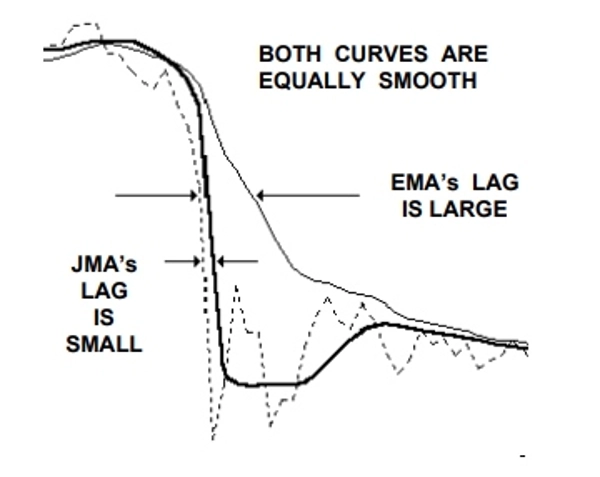
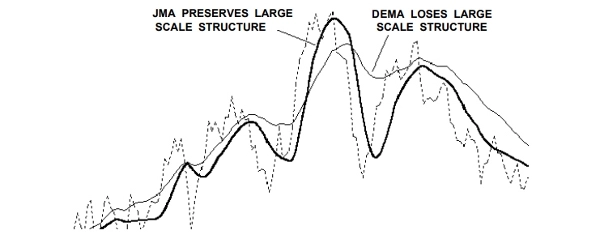
说明
Jurik 平滑包括 3 个阶段:
第 1 阶段 - 通过自适应 EMA 的初步平滑:MA1 = (1-alpha)*Price + alpha*MA1[1];
第 2 阶段 - 通过卡尔曼滤波器进行另一次初步平滑:Det0 = (Price - MA1)*(1-beta) + beta*Det0[1]; MA2 = MA1 + PR*Det0;
第 3 阶段 - 通过独特的 Jurik 自适应滤波器进行最终平滑:Det1 = (MA2 - JMA[1]) * (1-alpha)^2 + alpha^2 * Det1[1]; JMA = JMA[1] + Det1;
其中:- Price - 价格序列 - alpha - 动态因子(将在下文描述) - beta - 周期比率 = 0.45*(Length-1)/(0.45*(Length-1)+2) - PR - 相位比率:PR = Phase/100 + 1.5(如果 Phase < -100 则 PR=0.5,如果 Phase > 100 则 PR=2.5)。
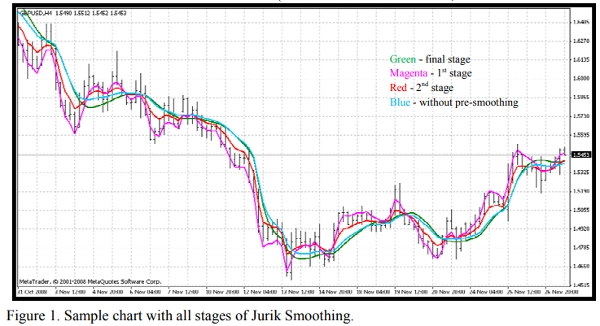
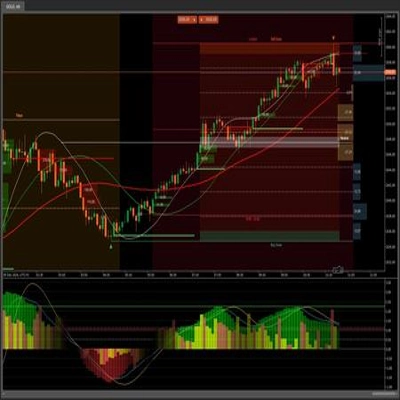
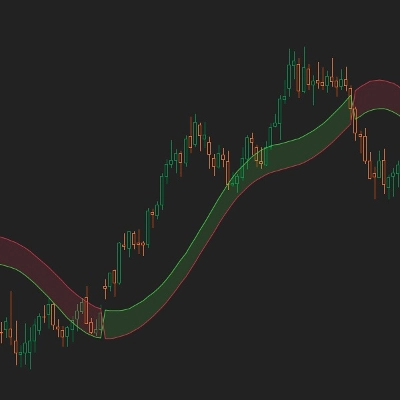
图 1. 包含 Jurik 平滑所有阶段的示例图表。您可以通过附带的指标 JurikFilter_v2 看到每个阶段的结果(图 1),通过更改 FilterMode:0 - 最终阶段(JMA) 1 - 第 1 阶段 2 - 第 2 阶段 3 - 仅最终(无初步)平滑。
动态因子是周期因子(beta)提升到幂(pow):
alpha = beta ^ Pow,
其中:- pow = rVolty ^ pow1 - rVolty - 相对价格波动率 - pow1 - 相对波动率的幂,计算公式如下:pow1 = len1 - 2(如果 pow1 < 0.5 则 pow1 = 0.5),
其中 len1 - 额外的周期因子:len1 = Log(SquareRoot(len))/Log(2.0) + 2(如果 len1 < 0 则 len1 = 0)。
因此,您可以看到动态因子基于相对价格波动率,为这种价格滤波器提供了所需的适应性。
相对价格波动率的公式为 rVolty = Volty/AvgVolty(如果 rVolty > len1^(1/pow1) 则 rVolty = len1^(1/pow1),如果 rVolty < 1 则 rVolty = 1),
其中:
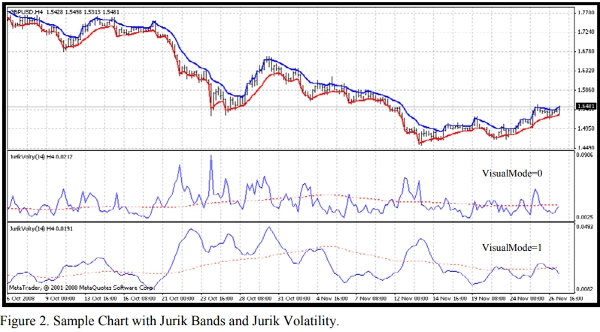
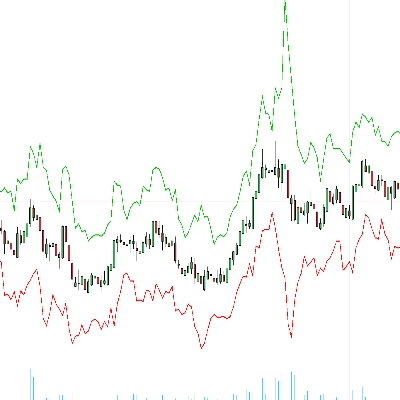
- Volty - 基于所谓 Jurik 波段计算的价格波动率(VisualMode = 1)。
- AvgVolty - Jurik 使用相当复杂的计算算法得到的平均波动率:AvgVolty = Average(vSum,AvgLen),
其中:
- vSum - (Volty - Volty[10])/10 的增量和;
- AvgLen - 平均周期(Jurik 使用 65)。
在我的 Jurik 滤波器版本中,我使用简单平均代替了 Jurik 的复杂平均。
此外,通过附带的指标 JurikVolty_v1(图 2),您可以看到 Volty(VisualMode=0)、vSum(VisualMode=1)和 AvgVolty(红色虚线)的数值。
价格波动率的公式为 Volty = Abs(del1) 和 Abs(del2) 中的较大值,如果 Abs(del1) = Abs(del2) 则 Volty = 0,
其中:- del1 - 价格与上轨的距离 del1 = Price - UpperBand - del2 - 价格与下轨的距离 del2 = Price - LowerBand Jurik 波段不同于任何已知的价格波段,如布林带、肯特纳带、多恩奇安带、分形等:如果 del1 > 0 则 UpperBand = Price 否则 UpperBand = Price - Kv*del1 如果 del2 < 0 则 LowerBand = Price 否则 LowerBand = Price - Kv*del2,
其中:- Kv - 波动率因子 Kv = bet ^ SquareRoot(pow2)。很容易看出,这些波段可以作为趋势跟踪指标的基础,如 Wilder 的抛物线指标。因此,您可以看到我们在 Jurik 移动平均线(JMA)的算法中几乎没有模糊的地方
摘要
Volatility is calculated using Jurik Bands, which differ from traditional bands like Bollinger or Keltner by adjusting upper and lower bands based on price distance and a volatility factor. Average volatility is computed via a simplified averaging method. The indicator supports visualization of each smoothing stage through an attached filter mode, allowing users to analyze intermediate results.
JMA is suitable for trend-following and smoothing price data with reduced lag and noise compared to classic moving averages. It incorporates advanced mathematical techniques to adapt dynamically to changing market conditions, providing a refined tool for technical analysis.
讨论
客户评价
5 | 50 % | |
4 | 50 % | |
3 | 0 % | |
2 | 0 % | |
1 | 0 % |




!["High-Low Divergence [Iridio Capital]" 标识](https://cdn.ctrader.com/image/webp/10a9e91b-243a-43f6-bbfe-7376bad5a214_61554)