Penerangan
Elliott CLEAN — Wave2 + Markov Confidence
Elliott CLEAN adalah penunjuk analitik lanjutan yang direka untuk membantu pedagang mengenal pasti, mengesahkan, dan mengurus persediaan Elliott Wave 2 menggunakan gabungan struktur pasaran dan kebarangkalian statistik.
Daripada meramalkan arah harga, penunjuk ini menumpukan pada peralihan struktur dan menjawab soalan yang lebih berguna:
Sejauh manakah kebarangkalian Wave 2 berkembang menjadi Wave 3 yang sah dan mampan — dan berapa keyakinan yang harus dimiliki oleh pedagang dalam senario itu?
Apa Yang Dilakukan Penunjuk Ini
Elliott CLEAN secara automatik:
- Mengesan struktur Wave 1–Wave 2 berdasarkan pivot ayunan
- Menentukan pencetus, stop-loss, pembatalan, dan sasaran Wave 3
- Menjejaki hasil struktur sejarah menggunakan model Markov 5-keadaan
- Mengira kebarangkalian bersyarat untuk:
-
- Pengaktifan Wave 3
- Pembatalan persediaan
- Keletihan awal Wave 3
- Menukar kebarangkalian ini menjadi Skor Keyakinan tunggal (0–100)
Ini membolehkan pedagang menapis persediaan berkualiti rendah, mengelakkan perdagangan berlebihan, dan membuat perdagangan hanya apabila struktur dan statistik selari.
Ciri-ciri Utama
- ✅ Pengesanan automatik Elliott Wave 2
- ✅ Pelbagai mod pengesahan (Break+Hold, Break, Reclaim, Wick)
- ✅ Pencetus, stop-loss, pembatalan, dan sasaran yang jelas
- ✅ Enjin kebarangkalian Markov 5-keadaan (berdasarkan acara/ayunan, bukan bar)
- ✅ Kebarangkalian bersyarat masa nyata dipaparkan pada carta
- ✅ Skor Keyakinan tunggal (0–100) untuk sokongan keputusan
- ✅ Reka bentuk HUD yang bersih dan tidak mengganggu
- ✅ Berfungsi pada mana-mana simbol dan mana-mana jangka masa
Skor Keyakinan (Penting)
Skor Keyakinan bukan kadar kemenangan dan bukan isyarat.
Ia adalah metrik kualiti kontekstual yang diperoleh daripada peralihan struktur sejarah:
- Semasa Wave 2, skor mencerminkan:
-
- Kebarangkalian Wave 3 bermula
- Disesuaikan dengan kebarangkalian kegagalan awal
- Semasa Wave 3, skor mencerminkan:
-
- Kebarangkalian sejarah bahawa Wave 3 berterusan tanpa keletihan awal
Dalam amalan:
- Skor rendah = struktur lemah atau tidak boleh dipercayai
- Skor tinggi = struktur jarang tetapi kukuh secara statistik
Ini membantu pedagang membuat keputusan bilakah untuk berhati-hati dan bilakah untuk membiarkan perdagangan berjalan.
Kes Penggunaan Tipikal
- ✔ Menapis persediaan Elliott Wave sebelum masuk
- ✔ Mengelakkan perdagangan Wave 2 yang marginal atau berkualiti rendah
- ✔ Melaraskan saiz posisi berdasarkan keyakinan
- ✔ Mengurus perdagangan Wave 3 dengan gangguan emosi yang kurang
- ✔ Menyokong perdagangan budi bicara dengan data struktur objektif
Penunjuk ini sangat berguna untuk pedagang yang sudah memahami teori Elliott Wave dan mahukan pengesahan kuantitatif tanpa automasi.
Cara Menggunakan (Aliran Kerja Asas)
- Lampirkan penunjuk pada carta
- Pilih mod pengesahan pilihan anda
- Tunggu struktur Wave 2 yang sah
- Perhatikan:
-
- Pencetus, stop-loss, pembatalan
- Kebarangkalian Markov
- Skor Keyakinan
- Putuskan sama ada persediaan itu berbaloi untuk berdagang berdasarkan struktur + keyakinan
Nota Penting & Penafian
- Penunjuk ini adalah analitik, bukan ramalan
- Ia tidak menghasilkan isyarat beli/jual
- Statistik struktur lalu tidak menjamin keputusan masa depan
- Perdagangan melibatkan risiko; pengguna bertanggungjawab sepenuhnya atas keputusan mereka
Penunjuk ini bertujuan sebagai alat sokongan keputusan untuk pedagang budi bicara.
Siapa Penunjuk Ini Untuk
- Pedagang yang biasa dengan konsep Elliott Wave
- Pedagang budi bicara yang menghargai struktur berbanding penunjuk
- Pedagang yang mencari penapis objektif, bukan sistem automatik
- Pengguna yang mahukan konteks kebarangkalian, bukan label retrospektif
_______________________
HUD & Keadaan
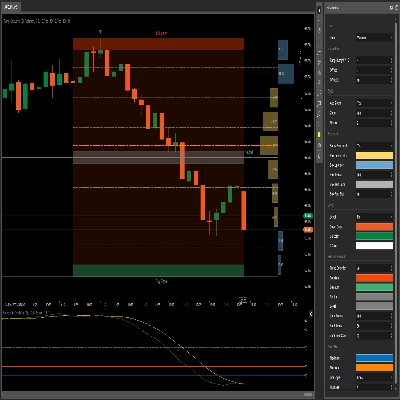
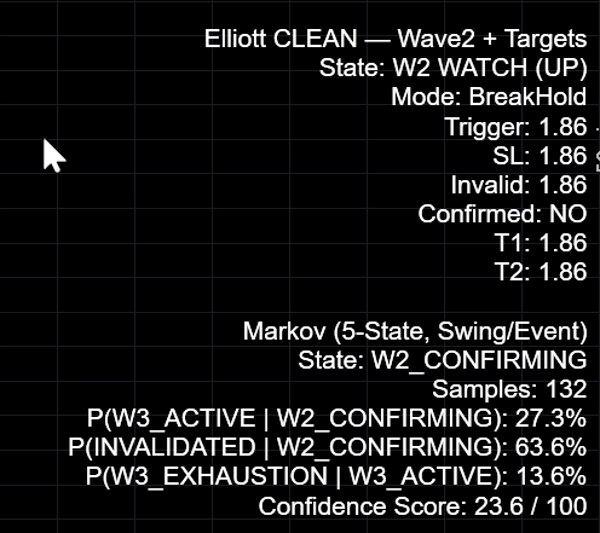
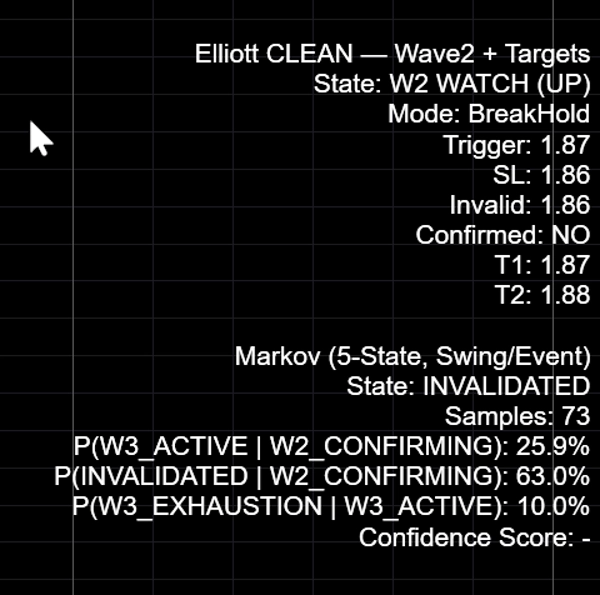
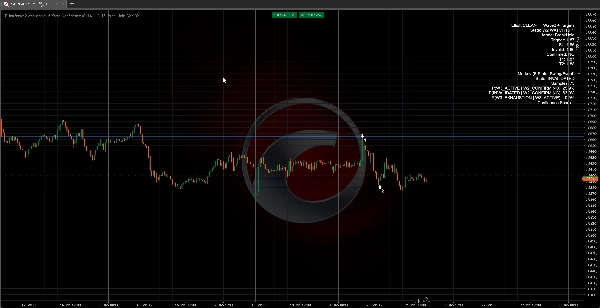
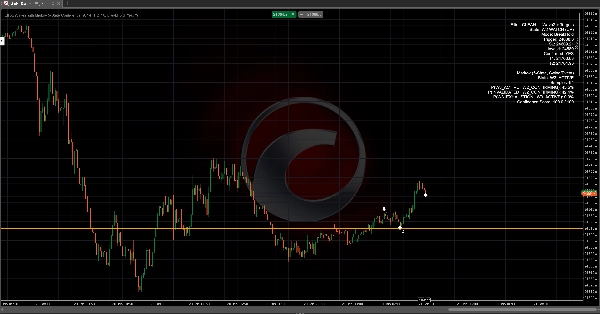
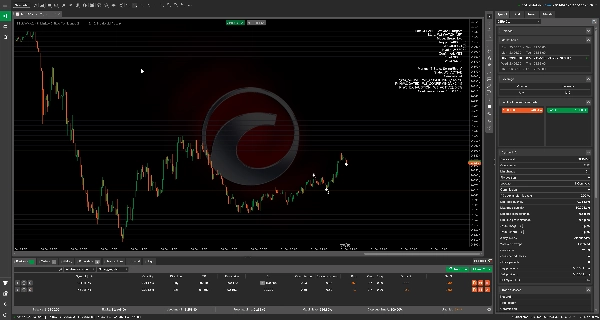
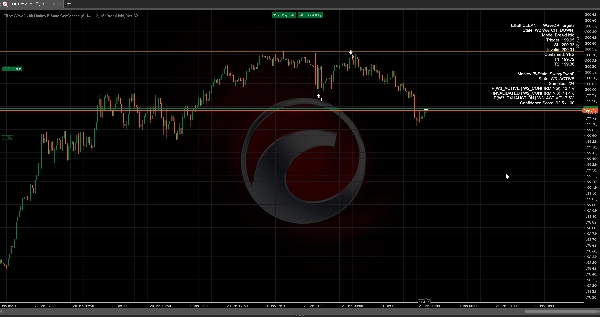
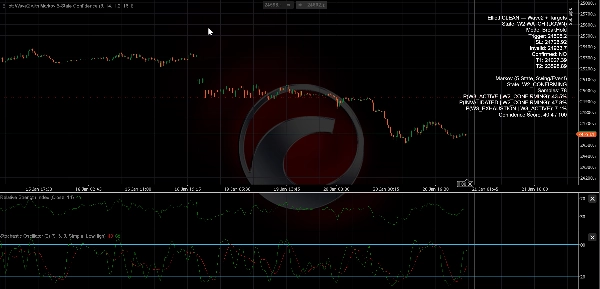
Penunjuk mencetak tahap struktur dan kebarangkalian Markov terus pada carta.
Lapisan Elliott teras:
- Keadaan: W2 WATCH (NAIK/TURUN) — potensi Wave 2 wujud (struktur ditemui)
- Disahkan: YA/TIDAK — peraturan pengesahan pilihan anda telah dicetuskan
- Pencetus — harga tahap mesti pecah/dituntut semula (bergantung pada mod)
- SL — tahap stop perlindungan yang dicadangkan (bergantung pada mod SL)
- Tidak Sah — tahap pembatalan struktur (permulaan Wave 1)
- T1/T2 — unjuran Wave 3 menggunakan pengganda
Lapisan Markov:
- Keadaan — keadaan Markov semasa (contoh,
W2_CONFIRMING,W3_ACTIVE,INVALIDATED) - Sampel — kiraan sejarah digunakan untuk kebarangkalian
- P(W3_ACTIVE | W2_CONFIRMING) — peluang Wave 3 diaktifkan dari fasa Wave 2
- P(INVALIDATED | W2_CONFIRMING) — peluang persediaan gagal semasa fasa Wave 2
- P(W3_EXHAUSTION | W3_ACTIVE) — peluang Wave 3 gagal awal setelah aktif
Skor Keyakinan (0–100)
Skor Keyakinan bukan kadar kemenangan dan bukan jaminan. Ia adalah metrik kualiti yang diperoleh daripada peralihan struktur sejarah.
Cara skor digunakan:
- Semasa
W2_CONFIRMING, skor mencerminkan “kebarangkalian pengaktifan” yang disesuaikan dengan risiko kegagalan awal. - Semasa
W3_ACTIVE, skor mencerminkan “ketahanan kesinambungan” (risiko keletihan awal rendah).
Sentiasa tafsirkan skor bersama: (1) kejelasan struktur, (2) jarak pembatalan, dan (3) saiz sampel.
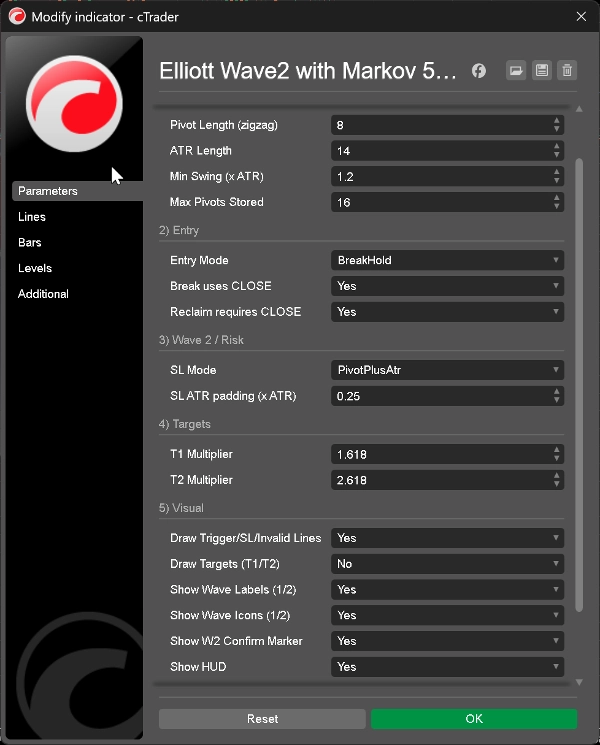
Input (Apa yang mereka lakukan)
1) Pivot / Struktur
- Panjang Pivot (zigzag): Mengawal kepekaan ayunan. Lebih tinggi = ayunan lebih sedikit, struktur lebih bersih.
- Panjang ATR: Tetingkap ATR digunakan untuk penapisan ayunan dan padding SL pilihan.
- Ayunan Min (×ATR): Saiz ayunan minimum untuk menerima pivot (menapis bunyi).
- Maksimum Pivot Disimpan: Mengehadkan sejarah ayunan yang disimpan (prestasi & kestabilan).
2) Masuk
- Mod Masuk: Pilih gaya pengesahan:
-
BreakHold— lebih selamat: pecah kemudian tahan melebihi pencetusBreak— lebih pantas: pecah pencetus sekaliReclaim— tingkah laku sapu + tuntut semulaWick— agresif: wick melalui pencetus
- Break menggunakan CLOSE: Menggunakan penutupan bukannya wick untuk logik pecahan (disyorkan).
- Reclaim memerlukan CLOSE: Memerlukan penutupan di sisi yang betul selepas sapuan.
3) Wave 2 / Risiko
- Mod SL: Menentukan garis dasar penempatan stop.
- Padding SL ATR (×ATR): Penampan tambahan apabila menggunakan stop berasaskan ATR.
4) Sasaran
5) Visual
- Lukis Garis Pencetus/SL/Tidak Sah: Tunjuk/sembunyi tahap mendatar teras.
- Lukis Sasaran: Garis sasaran pilihan (kurang “bersih”).
- Tunjuk Label / Ikon Wave: Paparkan penanda gelombang (1/2).
- Tunjuk Penanda Pengesahan W2: Menunjukkan penanda pengesahan.
- Tunjuk HUD: Tunjuk/sembunyi keseluruhan HUD.
Cara menggunakan:
- Imbas pelbagai pasaran, kemudian fokus hanya pada persekitaran struktur berkualiti tinggi.
- Gunakan skor + saiz sampel untuk memutuskan bila persediaan berbaloi dengan masa dan risiko.
Soalan Lazim
Adakah ini berfungsi pada semua simbol dan jangka masa?
Ya. Ia adalah pendekatan berasaskan struktur. Keputusan dan kebarangkalian akan berbeza mengikut tingkah laku pasaran dan volatiliti.
Adakah Skor Keyakinan adalah kadar kemenangan?
Tidak. Ia adalah skor kualiti struktur yang diperoleh daripada peralihan keadaan sejarah (model Markov). Ia tidak menjamin keputusan.
Mengapa skor sering rendah semasa Wave 2?
Kerana pengaktifan Wave 3 adalah selektif. Banyak calon Wave 2 gagal atau berayun. Penunjuk direka untuk menapis mereka keluar.
Bagaimana dengan saiz sampel yang kecil?
Anggap kebarangkalian kurang stabil apabila saiz sampel kecil. Gunakan skor sebagai konteks, bukan kepastian.
Penafian Risiko
Perdagangan melibatkan risiko dan mungkin tidak sesuai untuk semua pelabur. Prestasi lalu dan kebarangkalian sejarah tidak menjamin keputusan masa depan. Penunjuk ini menyediakan maklumat analitik sahaja dan tidak merupakan nasihat pelaburan atau cadangan untuk membeli atau menjual mana-mana instrumen. Anda bertanggungjawab atas keputusan, pengurusan risiko, dan pematuhan peraturan tempatan anda sendiri.
Elliott Wave, Struktur Pasaran, Analisis Teknikal, Kebarangkalian, Analisis Statistik, Perdagangan Ayunan, Pengurusan Risiko, Sokongan Keputusan
Ringkasan
Key features include multiple confirmation modes (Break+Hold, Break, Reclaim, Wick), real-time probability display on the chart, a clean HUD design, and compatibility with any symbol and timeframe. The Confidence Score is a contextual quality metric derived from historical structural transitions and is not a direct trading signal or win-rate. The indicator supports discretionary traders familiar with Elliott Wave theory who seek quantitative confirmation and risk management tools without automated trade execution. Inputs allow customization of pivot sensitivity, entry confirmation style, stop-loss placement, and target projections based on Fibonacci multipliers. The tool is intended as decision support, emphasizing structure clarity and probability context for trade evaluation.
Ulasan pelanggan
5 | 100 % | |
4 | 0 % | |
3 | 0 % | |
2 | 0 % | |
1 | 0 % |