
คำอธิบาย
การกู้คืนกริดและโซนขั้นสูงที่เหนือกว่า
เปลี่ยนการเทรดใด ๆ ให้กลายเป็นการกู้คืนที่มีการจัดการด้วย Superior Advanced Grid and Zone Recovery Manager — cBot ที่ รับตำแหน่งที่คุณมีอยู่แล้ว และดำเนินการเครื่องยนต์ Grid, DCA, Martingale หรือ Zone Recovery แบบเต็มรูปแบบโดยอัตโนมัติบนตำแหน่งเหล่านั้น
นี่ไม่ใช่ cBot สัญญาณ มันไม่ตัดสินใจว่าจะซื้อหรือขายเมื่อใด มัน นำมาใช้ ทุกอย่างที่มีอยู่ในบัญชีของคุณ — การเทรดด้วยตนเองของคุณ การเทรดของ cBot ตัวอื่น การเทรดของผู้ให้สัญญาณของคุณ — และจัดการตั้งแต่นั้นเป็นต้นไป: การเฉลี่ย การป้องกันความเสี่ยง การออก การปกป้อง คุณยังคงรักษาความได้เปรียบของคุณไว้; มันจัดการตำแหน่ง
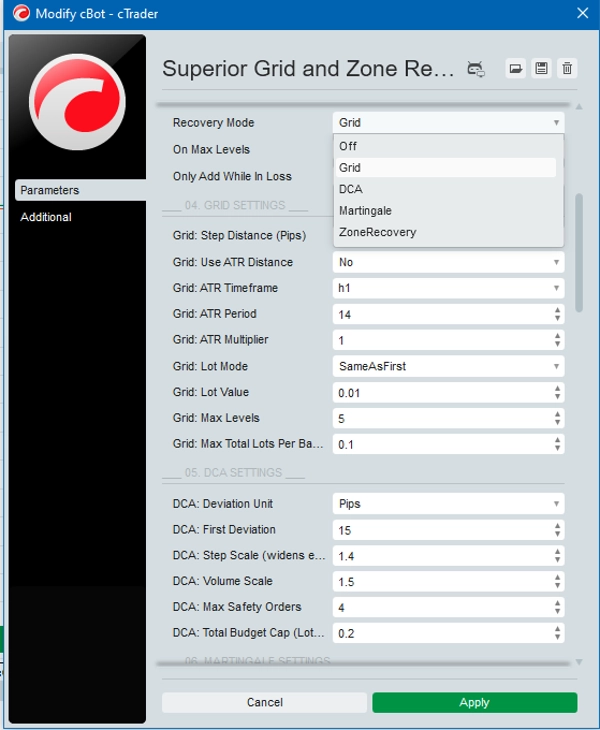
สร้างขึ้นสำหรับเทรดเดอร์ที่เข้าตลาดได้ดีแต่จัดการไม่ดี สำหรับใครก็ตามที่กำลังฟื้นตัวจากการขาดทุน และสำหรับบัญชี prop-firm ที่ไม่สามารถรับความเสี่ยงจากตะกร้าผิดพลาดได้ ข้างหลังการตั้งค่าเพียงหนึ่งนาทีคือชุด 179 การตั้งค่าครอบคลุม 18 กลุ่ม ที่ให้คุณควบคุมทุกสถานการณ์การกู้คืนได้อย่างสมบูรณ์
หมายเหตุ: คู่มือการตั้งค่าเต็มรูปแบบอยู่ในแท็บอภิปราย
คุณสมบัติ
เครื่องยนต์กู้คืนสี่แบบ
• โหมดจัดการเท่านั้น: ไม่เพิ่มอะไรเลย เพียงแค่จัดกลุ่มตำแหน่งของคุณเป็นตะกร้าและดำเนินเป้าหมายระดับตะกร้า จุดหยุด การติดตาม และการปกป้อง — วิธีที่ปลอดภัยที่สุดในการเริ่มต้น
• เครื่องยนต์กริด: เพิ่มขั้นบันไดขนาดคงที่ทุก ๆ X พิปส์ที่สวนทางกับคุณ เฉลี่ยราคาที่เข้าตลาดลง เลือกขั้นพิปส์คงที่หรือ ขั้นตาม ATR ที่ขยายออกโดยอัตโนมัติเมื่อความผันผวนของตลาดสูงขึ้นและหดตัวเมื่อสงบ
• โหมดล็อตกริด: สี่วิธีในการกำหนดขนาดแต่ละขั้น — เหมือนกับขั้นแรก, ล็อตคงที่, คูณขั้นก่อนหน้า หรือเพิ่มจำนวนคงที่
• ขอบเขตช่วงกริด: กริดจ่ายเฉพาะภายในช่วงที่กำหนด; นอกช่วงเป็นเพียงตำแหน่งที่ขยายใหญ่ขึ้น จำกัดบันไดไว้ที่ราคาสองราคาที่คุณพิมพ์ หรือที่ สูง/ต่ำของแท่ง N ล่าสุด เพื่อให้กล่องติดตามตลาดแทนที่จะเป็นตัวเลขที่พิมพ์เมื่อสัปดาห์ที่แล้ว นอกกล่องบันไดจะหยุดหรือขยายตัว ขึ้นอยู่กับคุณ
• ตัวกรองแนวโน้มกริด: การเฉลี่ยราคาลงในแนวโน้มเป็นสิ่งที่ทำลายกริด ฟีเจอร์นี้บล็อกการเพิ่มเมื่อค่าเฉลี่ยเคลื่อนที่เองเคลื่อนที่สวนทางกับคุณเกินเกณฑ์ความชัน — ไม่ใช่แค่เมื่อราคาสวนทาง ซึ่งสำหรับตะกร้าที่ขาดทุนถือเป็นเรื่องจริงโดยนิยาม
• ขั้นกริดที่วางล่วงหน้า: การเพิ่มแบบตลาด-สัมผัสอาจพลาดราคาในช่วงเคลื่อนไหวเร็ว; คำสั่งจำกัดที่วางไว้ล่วงหน้าจะไม่พลาด วางขั้นได้สูงสุด 20 ขั้นล่วงหน้าพร้อมตัวเลือกหมดอายุ และให้เติมที่ระดับที่แน่นอน
• เครื่องยนต์ DCA: คำสั่งความปลอดภัยแบบ 3Commas กำหนดการเบี่ยงเบนแรกเป็น พิปส์หรือเปอร์เซ็นต์, สเกลขั้นที่ขยายช่องว่างทุกครั้ง และสเกลปริมาณที่เพิ่มขึ้นทุกคำสั่ง
• ฐานการเบี่ยงเบน DCA: วัดช่องว่างแต่ละช่องจากคำสั่งล่าสุด (ทบต้น) หรือจากคำสั่งฐาน (ระดับสัมบูรณ์จากการเข้าตลาดครั้งแรก) ตัวเลขเดียวกันให้บันไดสองแบบที่แตกต่างกันอย่างสิ้นเชิง และทั้งสองแบบถูกใช้งานจริง ดังนั้นจึงมีให้เลือกทั้งสองแบบ
• ขีดจำกัดงบประมาณ DCA: ขีดจำกัดล็อตรวมต่อหนึ่งตะกร้า นี่คือสิ่งที่ทำให้กรณีที่เลวร้ายที่สุดทราบได้ก่อนคำสั่งความปลอดภัยแรกจะทำงาน — หากไม่มีมัน DCA ก็เป็นแค่ martingale ที่ใช้คำพูดสวยงามกว่า
• ช่วงเวลาคูลดาวน์ DCA: หากไม่มีฟีเจอร์นี้ เทียนสไปค์เดียวอาจกินบันไดความปลอดภัยทั้งหมดของคุณในไม่กี่วินาที — ซึ่งเป็นการเคลื่อนไหวที่คุณไม่ต้องการให้โหลดเต็มที่
• การยืนยัน RSI ของ DCA: การเบี่ยงเบนตัดสินใจว่าคำสั่งความปลอดภัย อาจ ไปที่ไหน; RSI ตัดสินใจว่าตลาดได้ไปถึงจุดนั้นจริง ๆ หรือไม่ คำสั่งเพิ่มจะทำงานเฉพาะเมื่อมีการหมดแรงจริง
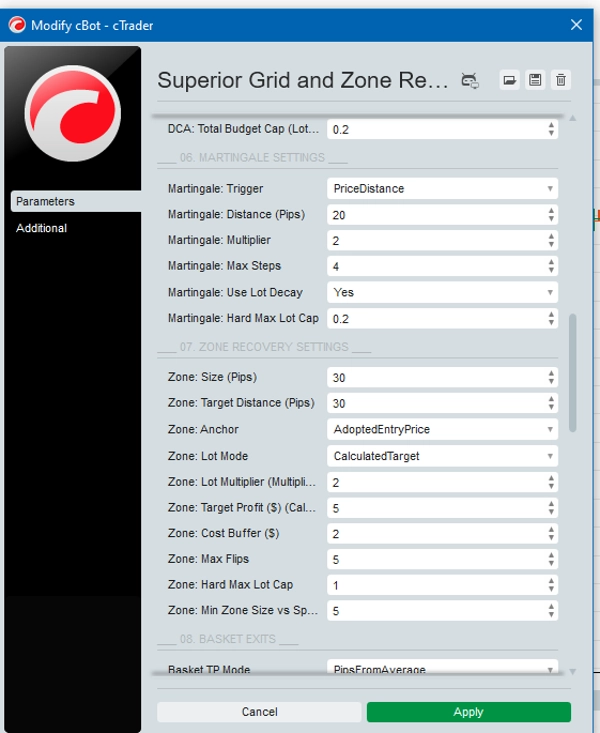
• เครื่องยนต์ Martingale: กู้คืนโดยขนาดแทนระยะทาง เริ่มทำงานโดยระยะห่างของราคา หรือโดย ขาดทุนที่ปิดแล้ว (วงจรคลาสสิก "แพ้, เข้าซื้อใหม่ด้วยขนาดใหญ่ขึ้น")
• สี่ลำดับ Martingale: เรขาคณิต (x2, x2 แบบตำรา), ฟีโบนักชี (1,1,2,3,5 — ถึงขั้นที่ 8 ในขณะที่เรขาคณิตถึงขั้นที่ 5 ดังนั้นจึงอยู่รอดได้มากกว่าบนทุนเดียวกัน), D'Alembert (เพิ่มจำนวนคงที่ต่อการขาดทุนแทนการคูณ — ช้าแต่ไม่ทำให้บัญชีล่ม) และ บันไดกำหนดเอง (ล็อตที่คุณพิมพ์ทีละขั้น)
• การลดขนาดล็อต Martingale: ลดตัวคูณลึกในบันได — ตัวคูณเต็มสำหรับขั้น 1–2, 75% ที่ขั้น 3, คงที่ตั้งแต่ขั้น 4 — เพื่อให้ส่วนท้ายหยุดทบต้นในจุดที่ทำให้เจ็บจริง
• การปรับระยะทาง Martingale: ระยะทางคงที่จะรวมบันไดทั้งหมดเป็นขาขึ้นเดียว; การปรับขนาดจะกระจายขั้นตอนที่ใหญ่และหลังออกไป
• Anti-Martingale (การพีระมิด): พลิกเครื่องยนต์ทั้งหมด — ปรับขนาด เข้าสู่ ผู้ชนะแทนผู้แพ้ ออกจากจุดเข้าที่ดีที่สุดในตะกร้า และให้เป้าหมายตะกร้าหยุดพีระมิด
• เครื่องยนต์กู้คืนโซน: แบบที่แตกต่างอย่างแท้จริง มันวาดกล่องรอบตำแหน่งของคุณและ พลิกทิศทาง ที่แต่ละขอบด้วยขนาดที่ใหญ่ขึ้น เพื่อให้ไม่ว่าราคาจะหลุดออกจากด้านใด ตะกร้าทั้งหมดจะปิดด้วยกำไร
• การคำนวณขนาดเป้าหมายโซน: EA กู้คืนโซนส่วนใหญ่ทำแค่ ล็อต x 2 และหวังว่าอันนี้ แก้สมการเชิงพีชคณิต สำหรับปริมาณที่แน่นอนที่ทำกำไรที่เลือกไว้ที่แถบออก โดยพิจารณาตำแหน่งทั้งหมดในตะกร้าปัจจุบัน มันจำลองบันไดคลาสสิก 0.10 → 0.30 → 0.60 → 1.20 — แต่ได้มาจากการคำนวณไม่ใช่สมมติฐาน ดังนั้นจึงถูกต้องแม้หลังจากปิดบางส่วน เพิ่มภายนอก เติมไม่เท่ากัน และการลื่นไถล
• การยืนยันการพลิกโซน: พลิกที่แท็ก หรือรอ ปิดแท่ง เกินขอบ ไส้เทียนคือสิ่งที่เปลี่ยนการกู้คืนสองครั้งเป็นหกครั้ง
• บัฟเฟอร์ขอบโซน & ขยายต่อการพลิก: ต้องการให้ราคาผ่านขอบก่อนพลิก และขยายกล่องเล็กน้อยทุกครั้งเพื่อให้การพลิกครั้งถัดไปต้องการการเคลื่อนไหวที่ใหญ่กว่าครั้งก่อน
• การติดตามโซนออก: หลังแถบออก ตะกร้าเป็นฝ่ายเดียวและมีกำไร — ส่วนเดียวของการกู้คืนโซนที่อนุญาตให้ดำเนินการได้ บันทึกกำไรที่นั่น หรือเดินตามผู้ชนะด้วยจุดหยุดติดตาม
• การกระทำเมื่อโซนหมด: เมื่อการพลิกครั้งสุดท้ายใช้หมด ให้หยุดนิ่ง ปิดทั้งหมด หรือ รอจุดคุ้มทุน — ความทะเยอทะยานที่สมจริงสำหรับตะกร้าป้องกันความเสี่ยงที่ต้องลอยกลับสู่ศูนย์เพียงครั้งเดียว
• การขยายบันได: เมื่อบันไดเฉลี่ยหมดระดับ ให้เลือกว่าจะเกิดอะไรขึ้น: หยุดเพิ่ม ปิดตะกร้า ป้องกันความเสี่ยงแบบแบน (หยุดขาดทุนลอยตัวทันที) หรือ ขยายเป็นการกู้คืนโซน เพื่อทะลุออกไปในทิศทางใดก็ได้
การนำตำแหน่งมาใช้
• นำมาใช้ได้ทุกอย่าง: คลิกด้วยตนเอง, การเติมของ cBot ตัวอื่น, สัญญาณที่คัดลอก — ถ้ามันปรากฏในบัญชี มันสามารถจัดการได้
• การกรองแหล่งที่มา: รับทุกอย่าง, เทรดด้วยตนเองเท่านั้น หรือรายการขาว/ดำของป้ายบอทเฉพาะ
• ดีเลย์การนำมาใช้ & ล็อตขั้นต่ำ: รอ N วินาทีก่อนรับตำแหน่ง และละเว้นทุกอย่างที่ต่ำกว่าขีดจำกัดล็อต
• การจัดการ SL/TP ที่มีอยู่: สี่โหมด — แปลงเป็นการออกระดับตะกร้า (สืบทอดจุดหยุดที่กว้างที่สุดเป็นสำรองเพื่อไม่ให้การปกป้องสูญหายโดยเงียบ ๆ), ปล่อยไว้ไม่แตะต้อง, ลบทั้งสอง หรือ เก็บทั้งสอง ซึ่งไม่แตะต้องการออกของคุณเองและไม่วางของตัวเอง
• การจัดกลุ่มตะกร้า: ตำแหน่งทุกตำแหน่งบนสัญลักษณ์เดียวกันในทิศทางเดียวกันกลายเป็นตะกร้าเดียวที่มีค่าเฉลี่ยหนึ่งค่า บันไดหนึ่งบันได และการออกหนึ่งครั้ง
การออกตะกร้า & การติดตาม
• เป้าหมาย & จุดหยุดตะกร้า: ระบุเป็นพิปส์จากค่าเฉลี่ยตะกร้า, เป็นสกุลเงินบัญชี หรือเป็นเปอร์เซ็นต์ของยอดคงเหลือ
• การติดตามตะกร้า: เปิดใช้งานที่ระดับกำไรแล้วคืนค่าก้าวคงที่ — เป็นพิปส์หรือเงิน
• การลดกริดบางส่วน: ถอนตัวผู้แพ้ที่แย่ที่สุดออกจากผู้ชนะที่ดีที่สุดเมื่อคู่เทรดมีกำไรสุทธิ ลดขนาดตะกร้าที่บวมโดยไม่บันทึกขาดทุน
• จุดหยุดเวลา: ปิดตะกร้าที่เปิดมานานเกินไปไม่ว่าจะเป็นอย่างไร
การกำหนดขนาดตำแหน่งตามความเสี่ยง
• งบประมาณความเสี่ยงตามราคาบันได: ฟีเจอร์ที่ไม่มีใครทำได้ถูกต้อง กำหนด 1% ของยอดคงเหลือ, ของทุน หรือจำนวนเงินคงที่ — และเครื่องยนต์จะกำหนดราคา บันไดที่เหลือทั้งหมด ไม่ใช่แค่ขั้นถัดไป การกำหนดขนาดคำสั่งทีละคำสั่งคือเหตุผลที่กริด "เสี่ยง 1%" ลงไป 15% ที่ระดับหก เพราะทุกขั้นผ่านการตรวจสอบของตัวเอง
• ปรับให้พอดีกับงบประมาณหรือปฏิเสธ: ขั้นที่เกินงบประมาณจะถูกย่อให้พอดี หรือปฏิเสธโดยตรง — ขึ้นอยู่กับคุณ
• ระยะเวลาความเสี่ยง: วัดกรณีที่เลวร้ายที่สุดในขณะที่ขั้นสุดท้ายที่วางแผนไว้เติมเต็ม หรือที่จุดหยุดตะกร้าของคุณ โดยคำนวณจากค่าเฉลี่ยที่ตะกร้า น่าจะ มีในเวลานั้น แทนที่จะเป็นค่าปัจจุบัน
• ขีดจำกัดการเปิดเผยต่อสกุลเงิน: หยุดตะกร้า EURUSD, EURGBP และ EURJPY ไม่ให้เกินขีดจำกัดล็อตบัญชีด้วยตัวเองและทำให้คุณถือสกุลเงินเดียวกันสามล็อต
• จำนวนตะกร้าสูงสุดต่อสัญลักษณ์: ขีดจำกัดที่เข้มงวดสำหรับการกระจายความเสี่ยงในเครื่องมือเดียว
การป้องกันความเสี่ยง & การหักล้าง
• ล็อกป้องกันความเสี่ยง: แช่แข็งตะกร้าที่ขาดทุนโดยเปิดขาข้างตรงข้ามที่ระดับขาดทุนที่คุณเลือก เป็นพิปส์หรือเป็นเงิน การสูญเสียจะหยุดทันทีและไม่มีการบันทึกขาดทุน
• อัตราส่วนล็อกบางส่วน: ล็อก 10% ถึง 100% ของการเปิดเผยสุทธิของคุณ — ล็อก 50% จะลดการสูญเสียครึ่งหนึ่งในขณะที่ยังคงรักษาศักยภาพการกู้คืนไว้ครึ่งหนึ่ง ซึ่งเป็นสิ่งที่โต๊ะเทรดส่วนใหญ่ต้องการจากการล็อก
• ปลดล็อกอัตโนมัติ: ปลดล็อกเมื่อราคากลับมาหาคุณโดย X พิปส์, เมื่อมูลค่าตะกร้าลอยเหนือจำนวนเงิน หรือปลดล็อกด้วยมือจากแผงควบคุมเท่านั้น
• ขีดจำกัดล็อก: จำนวนล็อกสูงสุดต่อหนึ่งตะกร้าและช่วงเวลาคูลดาวน์การล็อกซ้ำ เพื่อไม่ให้ตะกร้าที่อยู่บนจุดทริกเกอร์ล็อกและปลดล็อกซ้ำ ๆ ในแท็กสลับกันโดยจ่ายสเปรดทุกครั้ง
• การหักล้างสุทธิข้ามตะกร้า: ตะกร้าสองตะกร้าที่หันหน้าไปทางตรงกันข้ามเป็นตำแหน่งที่เล็กกว่าตะกร้าใดตะกร้าหนึ่ง เมื่อคู่เทรดเป็นสีเขียวสุทธิ ฝ่ายที่ขาดทุนจะถูกถอนออกฟรี — บนสัญลักษณ์เดียวกัน หรือข้ามสัญลักษณ์ที่สัมพันธ์กัน
• การเริ่มต้นสเตรดเดิล: ตัวเลือกในการสะท้อนตะกร้าใหม่ทุกตะกร้าด้วยขาข้างตรงข้าม เพื่อให้ไม่ว่าตลาดจะทะลุไปทางใด ฝ่ายหนึ่งจะอยู่บนเรือแล้ว
การปกป้องกำไร
• TP/SL ทั่วบัญชี: มองเห็นทุกตะกร้าพร้อมกัน — จำนวนที่เป้าหมายต่อหนึ่งตะกร้าไม่สามารถปกป้องได้ ตะกร้าห้าตะกร้าที่ขาดเป้าหมายตะกร้าละ $20 คือการขาดทุน $100 ที่ไม่มีอะไรในบล็อกต่อหนึ่งตะกร้าจะจัดการได้
• การติดตามทุนรายวัน: เปิดใช้งานเมื่อวันสิ้นสุดด้วย X% แล้วปิดทั้งหมดหากคุณคืนมากกว่า Y% ของกำไรสูงสุด เปลี่ยนวันที่ดีให้เป็นวันที่บันทึกกำไรแทนที่จะเป็นเรื่องราวเกี่ยวกับวันที่ดี
• การขายออกบางส่วน: เก็บเปอร์เซ็นต์ที่กำหนดของตะกร้าที่ชนะที่จุดทริกเกอร์และปล่อยส่วนที่เหลือให้วิ่ง — พร้อมตัวเลือกล็อกส่วนที่เหลือที่จุดคุ้มทุนทันที
• ล็อกจุดคุ้มทุน: เมื่อใดก็ตามที่ตะกร้าขึ้นถึง X จะไม่อนุญาตให้กลายเป็นขาดทุนอีก
• บัญชีขาดทุนสะสม: ขาดทุนที่บันทึกไว้จะถูกจดจำและเพิ่มไปยังเป้าหมายของตะกร้าถัดไป ดังนั้นการกู้คืนจะจ่ายโดยการเทรดที่ตามมาแทนที่จะถูกลืมอย่างเงียบ ๆ กู้คืนเปอร์เซ็นต์ใดก็ได้ของขาดทุน พร้อมขีดจำกัดตัวเลือกและรีเซ็ตประจำวัน
การป้องกันความปลอดภัย
• ระดับมาร์จิ้นขั้นต่ำ: การป้องกันที่ EA กริดส่วนใหญ่ขาดหายไป ระดับมาร์จิ้น ไม่ใช่ขาดทุนลอยตัว คือสิ่งที่ทำให้บัญชีกริดจบลง — โบรกเกอร์จะล้างบัญชีในขณะที่ตะกร้ายังสามารถกู้คืนได้ตามทฤษฎี
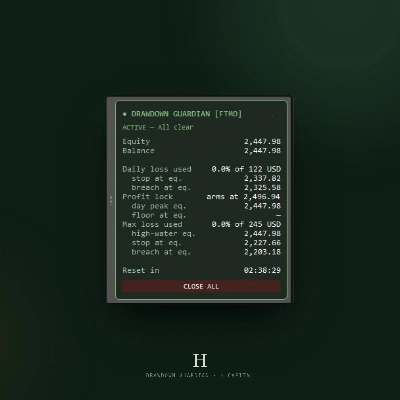
• จุดหยุดทุน, การขาดทุนรายวัน & เป้าหมายกำไรรายวัน: วัดทั้งหมดเทียบกับยอดคงเหลือเปิดวันใหม่ และรีเซ็ตอัตโนมัติทุกวันใหม่
• ล็อตสูงสุดในบัญชี: นับปริมาณเปิด บวกคำสั่งพักของบอทนี้เอง ดังนั้นคำสั่งจำกัดที่วางล่วงหน้าห้าคำสั่งจะไม่สามารถเกินขีดจำกัดได้ด้วยตัวเองและเติมพร้อมกัน
• จำนวนตะกร้าพร้อมกันสูงสุด และ สเปรดสูงสุด พร้อมตัวเลือกปิดทั้งหมดเมื่อเกินขีดจำกัดหรือหยุดเพิ่มทั้งหมด
ปฏิทิน & การทำงานอัตโนมัติ
• หน้าต่างปิดข่าว: พิมพ์เหตุการณ์ของคุณ — 2026.08.24 14:30 สำหรับเหตุการณ์ครั้งเดียว, 14:30 สำหรับหน้าต่างรายวัน — พร้อมนาทีล่วงหน้าและหลังเหตุการณ์ ต้อง ไม่ต้องการการเข้าถึงอินเทอร์เน็ตใด ๆ ดังนั้น cBot จึงไม่มีสิทธิ์พิเศษ
• การดำเนินการในช่วงปิดข่าว: บล็อกการเพิ่ม, ปิดทุกตะกร้า, หรือป้องกันความเสี่ยงแบบแบนตลอดช่วงเวลานั้น
• หยุดพักช่วงเปลี่ยนวัน: โบรกเกอร์ขยายสเปรดและคิดค่าธรรมเนียมสวอปในช่วงเปลี่ยนวัน การเพิ่มในช่วงนี้คือการจ่ายพรีเมียมเพื่อสิทธิ์ในการมีขนาดใหญ่ขึ้น
• การปรับสภาพวันศุกร์ & การหยุดวันศุกร์: ปิดสถานะก่อนช่องว่างวันหยุดสุดสัปดาห์ และหยุดเปิดสถานะใหม่หลังเวลาที่คุณตั้ง
• รีสตาร์ทวงจร: หลังตะกร้าจบลง ให้เริ่มตะกร้าใหม่โดยอัตโนมัติ — ทิศทางเดียวกัน, ตรงข้าม หรือสลับกัน — พร้อมดีเลย์ ตัวเลือกเฉพาะผู้ชนะ และขีดจำกัดรายวันที่เข้มงวด
• ช่วงเวลาการเทรด, วัน & หน้าต่างหยุดพัก: เทรดเฉพาะชั่วโมงและวันที่คุณเลือก พร้อมหน้าต่างหยุดพักแบบอิสระ
แดชบอร์ดสด
• แผงควบคุมบนกราฟสี่แท็บ: ตะกร้า, ความเสี่ยง, สถิติ และการตั้งค่า — ธีมมืดและสว่าง ขนาด ความทึบ ตัวอักษร และมุมปรับได้ ย่อเป็นแถบชื่อเดียวที่ยังแสดงกำไร/ขาดทุนสุทธิของคุณ
• การ์ดตะกร้า: ตะกร้าแต่ละตะกร้าแสดงล็อต, ตำแหน่ง, พิปส์, อายุ, แถบความก้าวหน้าบันได แบ่งส่วน และแถบเป้าหมายที่แสดงตำแหน่งกำไร/ขาดทุนระหว่างจุดหยุดและเป้าหมายอย่างชัดเจน
• เหตุผลในการหยุด: ตะกร้าที่หยุดนิ่งเพราะตัวกรองแนวโน้มจะไม่เหมือนกับที่รอเฉย ๆ — การ์ดจะแสดงเป็นภาษาอังกฤษง่าย ๆ
• มิเตอร์ความเสี่ยงหกตัว: เหลือพื้นที่เท่าไหร่ก่อนที่แต่ละการป้องกันจะปิดทั้งหมด มิเตอร์แต่ละตัวเติมจนถึงขีดจำกัดของตัวเอง ดังนั้น "เกือบเต็มและแดง" หมายถึงสิ่งเดียวกันไม่ว่าจะวัดอะไร
• แท็บสถิติ: ตะกร้าที่ปิดแล้ว, อัตราชนะ, กำไร/ขาดทุนที่เกิดขึ้นวันนี้และตลอดชีพ, ดีที่สุดและแย่ที่สุด, ทุนสูงสุด, การขาดทุนสูงสุด และยอดคงเหลือที่ยังค้าง — ทั้งหมดถูกบันทึกข้ามการรีสตาร์ท
• การควบคุมด้วยตนเองต่อหนึ่งตะกร้า: ปิด, หยุดชั่วคราว, เพิ่มทันที, ป้องกันความเสี่ยง, ล็อก/ปลดล็อก, ลดกริด, เปิดใช้งานโซน และปล่อย (คืนตำแหน่งโดยไม่จัดการ)
• การควบคุมทั่วโลก: ปิดทั้งหมด (เปิดใช้งานสองคลิก), ปิดผู้ชนะ, หยุดชั่วคราวทั้งหมด, ล้างการหยุด, และย้ายแผง — พร้อมปุ่มลัดบนกราฟตัวเลือก
• ระดับกราฟ: ค่าเฉลี่ย, การเพิ่มถัดไป, เป้าหมาย, จุดหยุด, จุดหยุดติดตาม และกล่องโซนที่มีเงา ทั้งหมดมีคำบรรยาย และวาดเป็นราคาจริงสำหรับโหมดออกทุกแบบ — และวาดใหม่เฉพาะเมื่อราคาจริงเปลี่ยนเท่านั้น ดังนั้นไม่มีการกะพริบ
วิศวกรรม
• การเก็บสถานะเต็มรูปแบบ: cTrader ไม่มีตัวเลขวิเศษ ดังนั้นสมาชิกตะกร้าจะถูกสะท้อนในที่เก็บข้อมูลท้องถิ่นและกู้คืนเมื่อรีสตาร์ท — หากไม่มีฟีเจอร์นี้ การรีสตาร์ทกลางบันไดจะทำให้ตำแหน่งเปิดทั้งหมดกลายเป็นกำพร้า
• ปลอดภัยจากการรีสตาร์ท: กลับมาพร้อมรู้จักตะกร้า, บันได, กล่องโซน, ล็อกป้องกันความเสี่ยง และบัญชีแยกประเภทของมัน และไม่รับคำสั่งของตัวเองเป็นเทรดใหม่
• หลายสัญลักษณ์: จัดการเฉพาะสัญลักษณ์บนกราฟ หรือทุกสัญลักษณ์ในบัญชีพร้อมกัน
• สัญญาณทดสอบในตัว: ทริกเกอร์ RSI ง่าย ๆ เพื่อให้คุณทดลองและทดสอบผู้จัดการบนเดโมโดยไม่ต้องใช้บอทตัวที่สองในการสร้างสัญญาณ ส่งมอบในสถานะปิดใช้งาน และปฏิเสธการเปิดใช้งานบนบัญชีจริง เว้นแต่คุณจะตั้งใจแทนที่ — แผงจะแสดง TEST SIGNAL ตลอดเวลาที่เปิดใช้งาน
โปรดทราบ: นี่คือ ผู้จัดการตำแหน่ง ไม่ใช่กลยุทธ์เข้าตลาด มันไม่สร้างสัญญาณของตัวเอง — มันรับตำแหน่งที่มีอยู่แล้ว เทคนิคการกู้คืนกริด, DCA, Martingale และ Zone Recovery เป็นเทคนิคที่เพิ่มการเปิดเผยเพื่อกู้คืนการขาดทุน; หากใช้โดยไม่มีงบประมาณความเสี่ยงและการป้องกันใน cBot นี้ จะเป็นอันตราย เครื่องยนต์กู้คืนและฟีเจอร์อัตโนมัติทั้งหมดจะถูกปิดใช้งานโดยค่าเริ่มต้น
หากคุณต้องการความช่วยเหลือ ติดต่อข้อมูลในโปรไฟล์ cTrader ของเราและเราจะช่วยคุณ
สรุป
Key features include comprehensive basket grouping, risk-based position sizing with ladder pricing, hedging and netting options, profit protection tools such as account-wide stop-loss/take-profit and daily equity trails, and multiple safety guards including margin level floors and max account lots. The bot offers extensive automation controls like news blackout windows, rollover pauses, session filters, and cycle restarts.
A live on-chart dashboard provides detailed basket cards, risk meters, statistics, and manual controls for individual baskets or global operations. Full state persistence ensures continuity after restarts. The bot manages multiple symbols simultaneously and includes a disabled built-in test signal for demo testing. It is configurable with 179 settings across 18 groups, enabling precise control over recovery scenarios.