Opis
[Title] Index-Trading_N-Wave_BuyOnly
[Przegląd]
Ten system to zautomatyzowany bot handlowy skoncentrowany na day-tradingu, który celuje w najsilniejszy na świecie indeks giełdowy, „US500”, i ma na celu osiąganie zysków poprzez wykorzystanie wzorców „N-fali” na rynku.
Niniejszy podręcznik dostarcza jasne wyjaśnienie mechanizmu systemu oraz każdej funkcji.
1. Czym jest handel indeksami?
Jest to metoda inwestycyjna polegająca na zakupie „pakietu” najlepszych firm reprezentujących świat.
Na przykład, jeśli kupisz akcje tylko jednej firmy (takiej jak firma A lub firma B), poniesiesz znaczne straty, jeśli wyniki tej firmy się pogorszą. Jednak „indeks” jest jak „średnia ocena” setek najlepszych firm, które spełniły surowe kryteria. Nawet jeśli jedna firma zbankrutuje, inne firmy to zrekompensują, więc największą zaletą jest to, że możesz bezpiecznie płynąć na „wielkiej fali” globalnego wzrostu gospodarczego, eliminując ryzyko indywidualnej upadłości.
* US500 (S&P500): Zbiór 500 najlepszych amerykańskich firm. Inwestuje w wzrost całej gospodarki amerykańskiej.
* US100 (Nasdaq 100): Kompilacja 100 najlepszych amerykańskich firm IT i high-tech. Jego ruchy cenowe są bardzo zmienne.
* JP225 (Nikkei 225): Kompilacja 225 najlepszych japońskich firm.
2. Czym jest N-Fala?
To technika wykorzystująca „oddech” rynku do celowania w najbardziej opłacalny punkt.
Rynek nigdy nie rośnie w linii prostej. Zawsze powtarza ruchy zygzakowate: „wzrost, lekkie spadki (głęboki oddech), a następnie gwałtowny wzrost”. Ten wzór przypomina literę „N”, stąd nazwa „N-Fala”.
1. A-B: Początkowy wzrost ceny.
2. B-C: Cena tymczasowo spada z powodu realizacji zysków itp. (spadek).
3. C-D: Cena ponownie gromadzi siłę i gwałtownie rośnie, przekraczając poprzedni szczyt (B). Początkujący często wchodzą na rynek na szczycie „B”, co skutkuje zakupem na górze. Jednak ten bot dokładnie identyfikuje punkt „C”, gdzie rynek wziął głęboki oddech, i automatycznie celuje tylko w najsilniejszy ruch wzrostowy od „C do D”.
3. Dwa sensory do zrozumienia rynku
Ten system łączy dwa potężne sensory (wskaźniki), aby osiągnąć bardzo dokładne wejścia.
* EMA (Wykładnicza Średnia Krocząca): „system nawigacji” rynku. Ta linia łączy średnią cen z przeszłości, ale jest zaprojektowana tak, aby reagować wrażliwie na ostatnie ruchy cen. Jeśli EMA wskazuje w górę, informuje o ogólnym kierunku rynku (aktualnej lokalizacji i celu), wskazując, że „obecnie jest trend kupna”.
* Stochastyka: „impet fali” rynku. Informuje, jak silny jest obecny impet fali, na skali od 0 do 100%.
* 80% lub więcej: fala wzrostowa jest bardzo silna i można stabilnie na niej płynąć. * Poniżej 20%: wskazuje bardzo silną falę spadkową.
* Jedna wskazówka
Podręczniki często wyjaśniają, że „powyżej 80% jest wykupione (więc wkrótce spadnie)”, ale to duży błąd. Używając analogii do surfingu, to tak jakby mówić „nie jedź na fali, bo jest za silna”, co powoduje przegapienie silnego trendu. W rzeczywistości oznacza to „doskonały stan, w którym silna fala stabilnie nadchodzi”.
[Wzorzec zwycięstwa systemu]
Ten system potwierdza trend wzrostowy za pomocą EMA (nawigacja samochodowa), a następnie używa Stochastyki, aby dokładnie zidentyfikować „punkt, w którym fala tymczasowo się cofa podczas dużej fali (punkt C fali N)”. Następnie bezpiecznie wchodzi w transakcję w momencie, gdy najsilniejsza fala (fala zmierzająca do punktu D) ponownie nadchodzi.
4. Cztery zaawansowane funkcje maksymalizujące zyski i chroniące ryzyko
Ten system zawiera „techniki zarządzania pieniędzmi” profesjonalnych traderów.
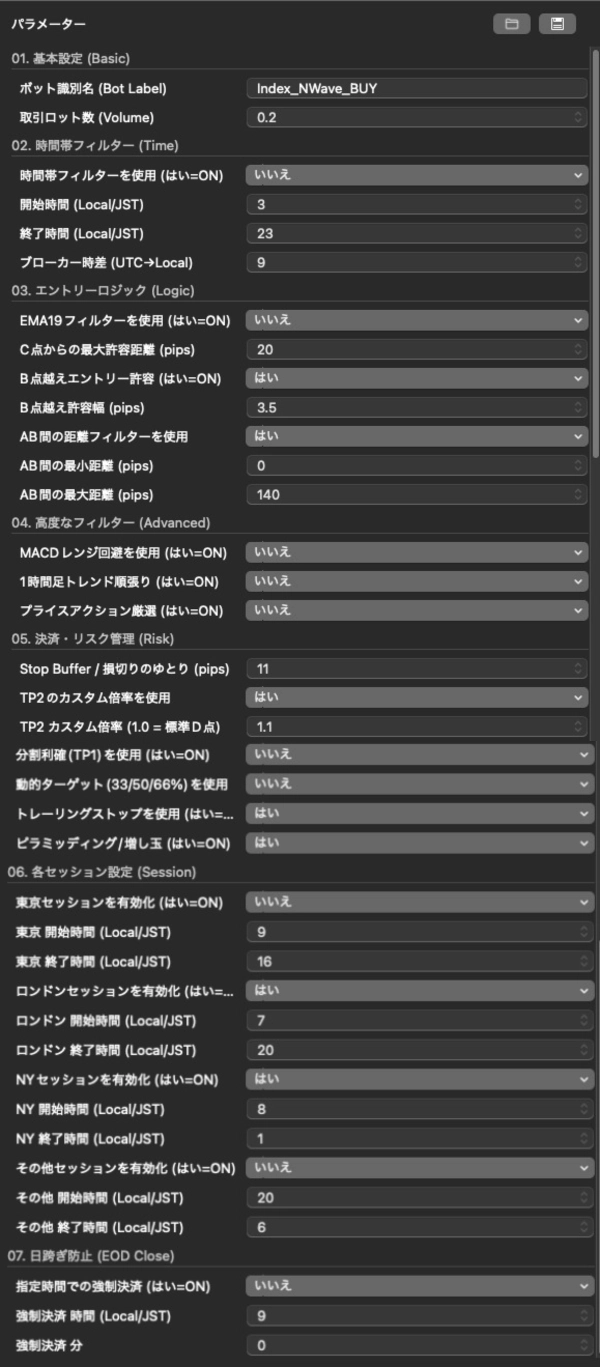
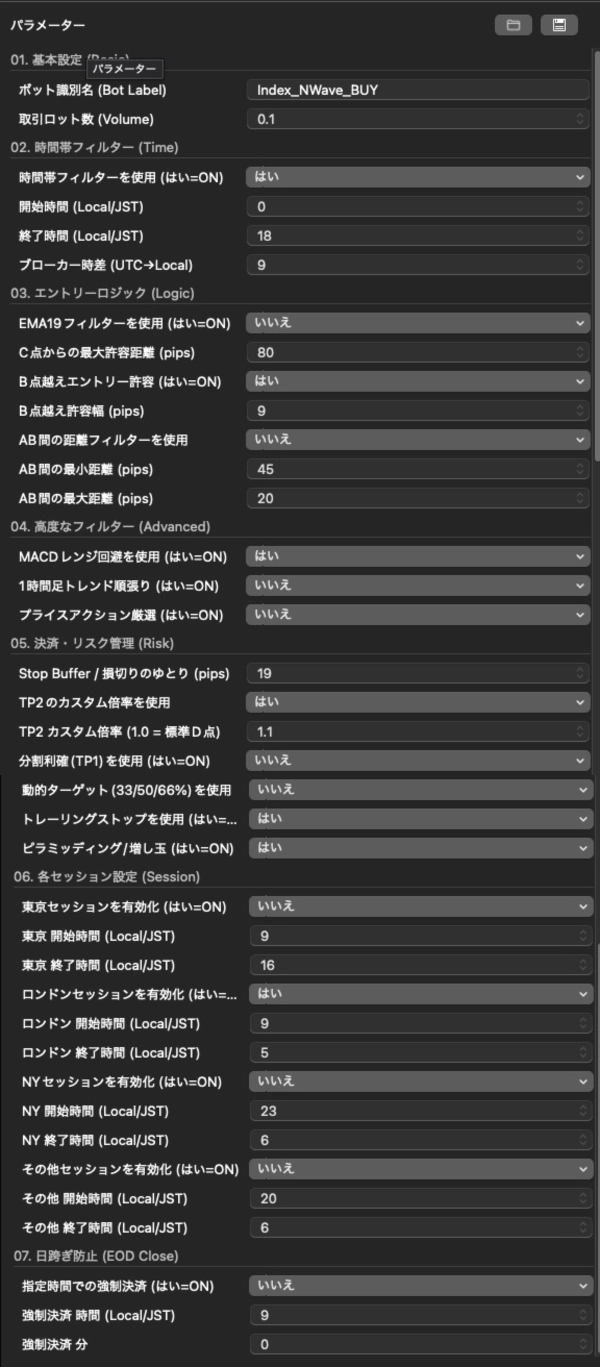
① Częściowa realizacja zysku (TP1: zamknięcie 50%) = Spokój ducha „bez strat”
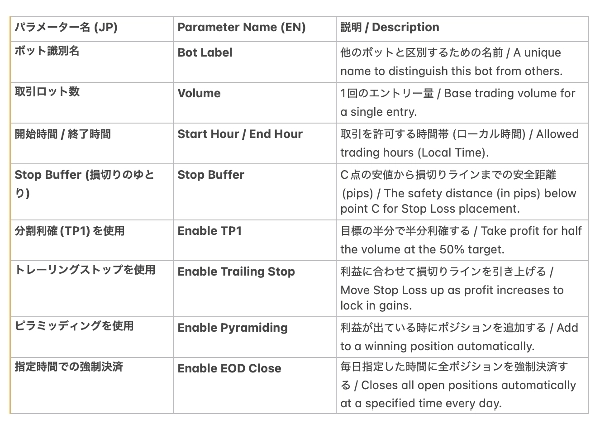
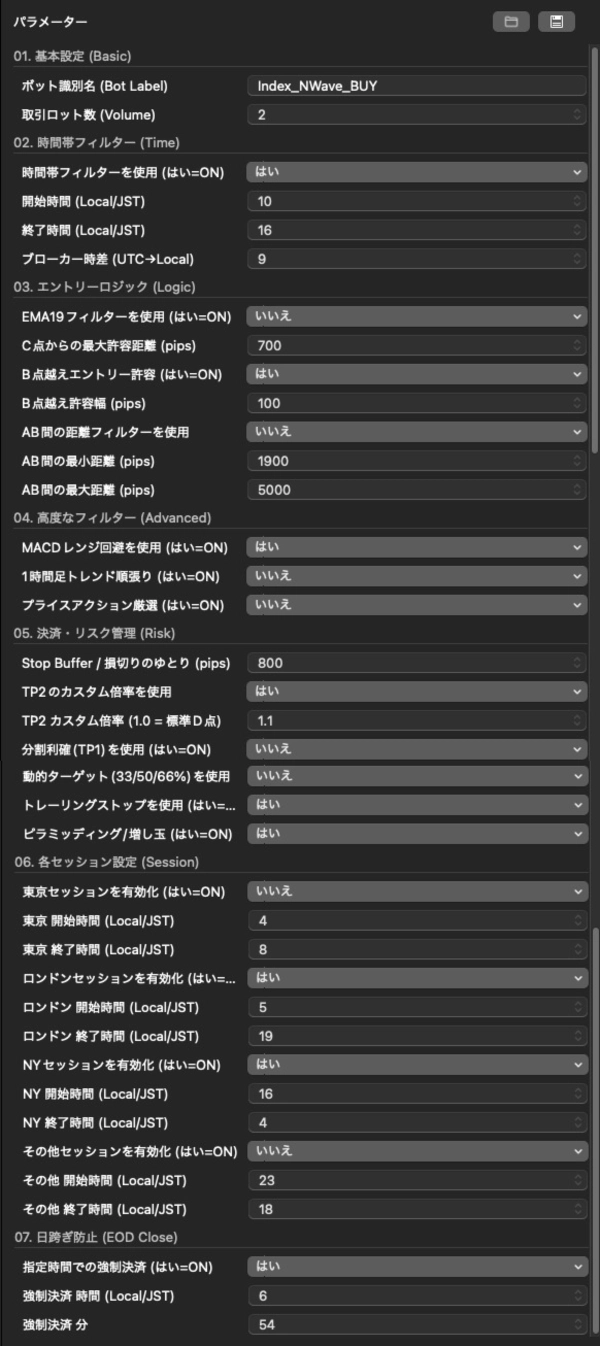
Gdy zyski osiągną połowę drogi (50%) przed osiągnięciem celu (punkt D), połowa posiadanej pozycji jest automatycznie zamykana z zyskiem. Jednocześnie stop-loss (linia stop-loss) jest przesuwany do „ceny zakupu (cena wejścia)”. Zapewnia to, że nawet jeśli rynek później gwałtownie spadnie, pozostała połowa zakończy się na poziomie break-even, tworząc „sytuację, w której absolutnie nie można stracić pieniędzy (bez strat)”.
② Trailing Stop = Automatyczna bariera podążająca za zyskiem
Gdy zyski nadal rosną i przekraczają punkt 66%, stop-loss (linia stop-loss) jest automatycznie podnoszony „w górę” do aktualnej ceny. Nawet jeśli nastąpi gwałtowny spadek, podniesiony stop-loss działa jako bariera, solidnie zabezpieczając (blokując) zyski osiągnięte do tego momentu.
③ Pyramiding (dokładanie do pozycji) = Jazda na zwycięskim koniu
Gdy rynek rośnie silnie zgodnie z oczekiwaniami, automatycznie dokonywane są „dodatkowe zakupy (dokładanie do pozycji)”. To funkcja na poziomie profesjonalnym, agresywna, która podejmuje ryzyko tylko wtedy, gdy sytuacja jest korzystna, aby zwiększyć zyski. (* W przeciwieństwie do nieplanowanego dokupywania po stratach, dokładanie następuje tylko wtedy, gdy są zyski.)
④ Wymuszone zamknięcie o określonej godzinie (EOD Close) = Bezpieczne resetowanie przed snem
W day-tradingu „spanie z otwartymi pozycjami” jest największym ryzykiem, ponieważ można zostać zaskoczonym przez nieoczekiwane wiadomości lub duży krach na rynku. Gdy ta funkcja jest włączona, wszystkie pozycje, niezależnie od zysku czy straty, są automatycznie i wymuszenie zamykane o stałej porze każdego dnia (np. wczesnym rankiem czasu japońskiego tuż przed zamknięciem rynku w Nowym Jorku). Ponieważ nie przenosisz niezrealizowanych strat na następny dzień, możesz działać bez stresu.
[タイトル]Index-Trading_N-Wave_BuyOnly
[概要]
本システムは、世界最強の株価指数「US500」をターゲットに、相場の「N波動」を捉えて利益を狙い撃ちするデイトレード特化型の自動売買ボットです。
こちらのシステムについてこのマニュアルでシステムの仕組みと各機能についてわかりやすく解説します。
1. 指数(インデックス)トレードとは?
「世界を代表するトップ企業の『詰め合わせパック』を買う投資法」です。
例えば、1つの会社の株(A社やB社など)だけを買うと、その会社の業績が悪くなった時に大きなダメージを受けます。しかし「指数(インデックス)」は、厳しい基準をクリアした数百のトップ企業全体の「平均点」のようなものです。 1社が倒産しても他の企業がカバーするため、個別の倒産リスクを排除しつつ、世界の経済成長という「大きな波」に安全に乗ることができるのが最大の魅力です。
- US500 (S&P500): アメリカのトップ企業500社の詰め合わせ。アメリカ経済全体の成長に投資します。
- US100 (Nasdaq 100): アメリカのIT・ハイテク企業トップ100社の詰め合わせ。値動きが活発です。
- JP225 (日経225): 日本のトップ企業225社の詰め合わせです。
2. N波動(N-Wave)とは?
「相場の深呼吸を利用して、一番美味しいところを狙うテクニック」です。
相場は一直線に上がり続けることはありません。必ず「上がって、少し下がって(深呼吸して)、また大きく上がる」というジグザグな動きを繰り返します。この形がアルファベットの「N」に見えることから「N波動」と呼ばれます。
- A〜B: 最初の価格の上昇。
- B〜C: 利益確定などで一時的に価格が下がる(押し目)。
- C〜D: 再びパワーを溜めて、前の高値(B)を超えて大きく上昇していく。
初心者は価格が上がりきった「B」で飛び乗ってしまい高値掴みをしがちですが、このボットは相場が深呼吸をした「C」のポイントを正確に見極め、最も勢いよく伸びる「CからDへの上昇」だけを自動で狙い撃ちします。
3. 相場を読み解く2つのセンサー
当システムは、精度の高いエントリーを実現するために2つの強力なセンサー(インジケーター)を組み合わせています。
- EMA(指数平滑移動平均線):相場の「カーナビ」 過去の価格の平均値をつないだ線ですが、直近の値動きに敏感に反応するように作られています。EMAが上を向いていれば「今は買いのトレンドだ」という相場の大きな方向(現在地と目的地)を教えてくれます。
- ストキャスティクス:相場の「波の勢い(モメンタム)」 今の波にどれくらいの勢いがあるかを0〜100%の数値で教えてくれます。
-
- 80%以上: 上昇の波が非常に力強く、安定して波に乗れる状態。
- 20%以下: 下降の波が非常に力強い状態。
ワンポイントアドバイス
教科書などでは「80%以上は買われすぎ(だからそろそろ下がる)」と解説されることが多いですが、これは大きな間違いです。サーフィンで例えるなら「波が強すぎるから乗るな」と言っているようなもので、せっかくの強いトレンドを逃す原因になります。実際には「力強い波が安定して押し寄せている絶好の状態」を示しています。
【システムの必勝パターン】
このシステムは、EMA(カーナビ)で上昇トレンドを確認した上で、ストキャスティクスを使って「大きな波が来ている最中に、波が一時的に引いたポイント(N波動のC点)」を正確に見極めます。そして、再び最も力強い波(D点へ向かう波)が押し寄せる瞬間に安全にエントリーを行います。
4. 利益を最大化し、リスクを守る4つの高度な機能
当システムには、プロトレーダーの「資金管理術」がそのままプログラムされています。
① 分割利確 (TP1: 50% Close) = 「負けなし」の安心感
目的地(D点)に到達する前の、中間地点(50%)まで利益が乗った段階で、保有しているポジションの半分を自動で利益確定します。 同時に、ストップロス(損切りライン)を「買った値段(建値)」に移動させます。これにより、もしその後相場が急落しても、残りの半分はプラスマイナスゼロで終わるため、「絶対に損をしない(負けなし)状態」を作り出すことができます。
② トレーリングストップ = 利益の自動追従バリア
利益がさらに伸びて66%地点を越えると、ストップロス(損切りライン)が現在の価格に合わせて自動的に「上」へ引き上げられていきます。 急激な暴落が起きても、引き上げられたストップロスがバリアとなり、そこまで得た利益をガッチリと確保(ロック)してくれます。
③ ピラミッディング(増し玉) = 勝ち馬に乗る
予想通りに相場が力強く上昇している最中に、自動で「追加の買い(ポジションの追加)」を行います。 調子が良い時にだけリスクを取って利益をブーストさせる、プロならではの攻めの機能です。(※無計画なナンピンとは異なり、利益が出ている時にしか追加しません)
④ 指定時間での強制決済 (EOD Close) = おやすみ前の安全リセット
デイトレードにおいて「ポジションを持ったまま寝る」ことは、予期せぬニュースや大暴落に巻き込まれる最大のリスクです。 この機能をONにすると、毎日決まった時間(例:NY市場が閉まる直前の日本時間早朝など)に、利益・損失にかかわらず全てのポジションを自動で強制決済します。翌日に含み損を持ち越さないため、ストレスフリーな運用が可能です。
Podsumowanie
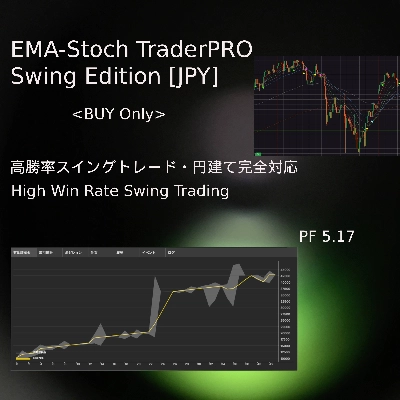
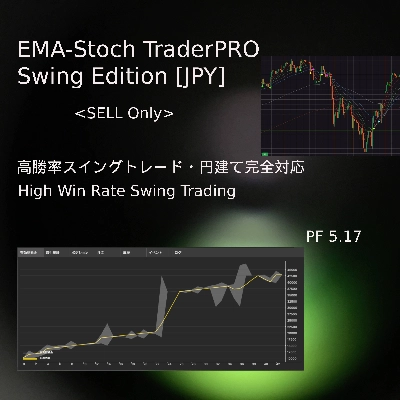
The system uses two key indicators: the Exponential Moving Average (EMA) to identify overall market uptrends, and the Stochastic oscillator to measure wave momentum, ensuring entries occur during strong upward momentum phases. This combination aims to enhance entry accuracy.
Four advanced risk and profit management features are integrated: partial profit-taking at 50% gain with stop-loss moved to break-even to prevent losses; trailing stop-loss that adjusts upward beyond 66% profit to lock in gains; pyramiding to add positions during strong trends; and forced daily position closure to avoid overnight risk.
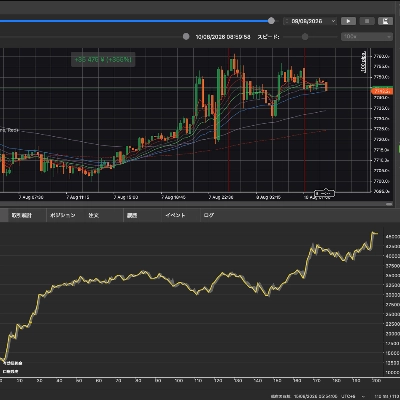
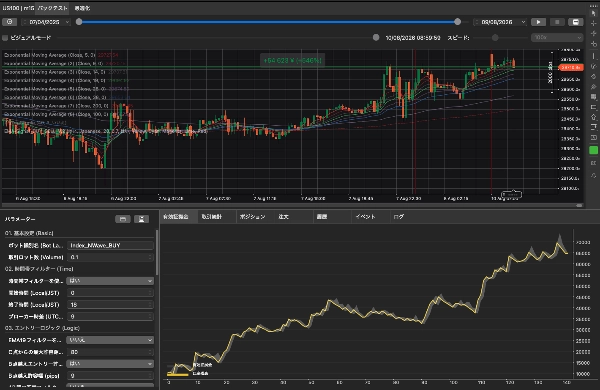
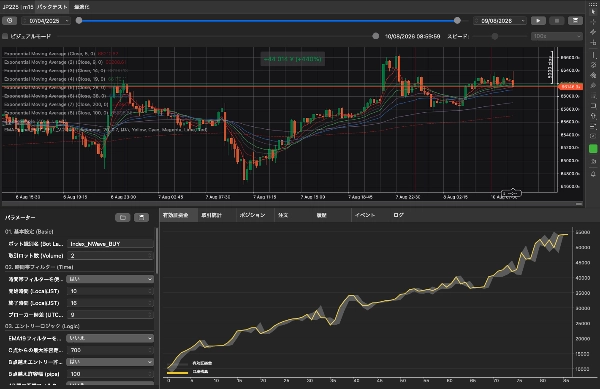
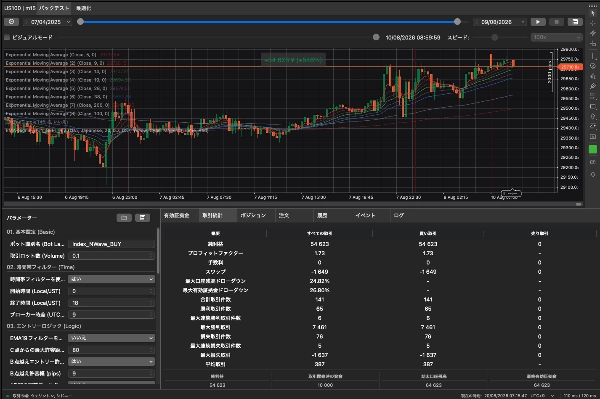
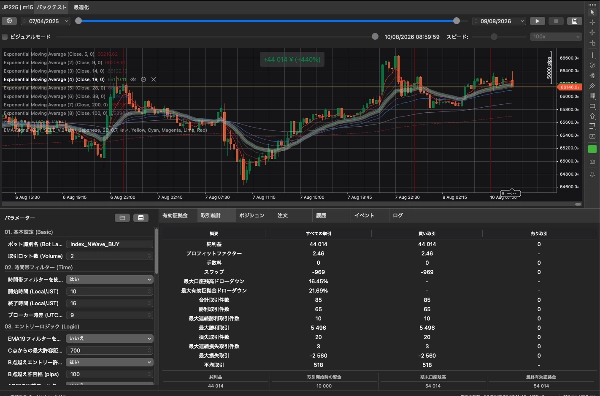
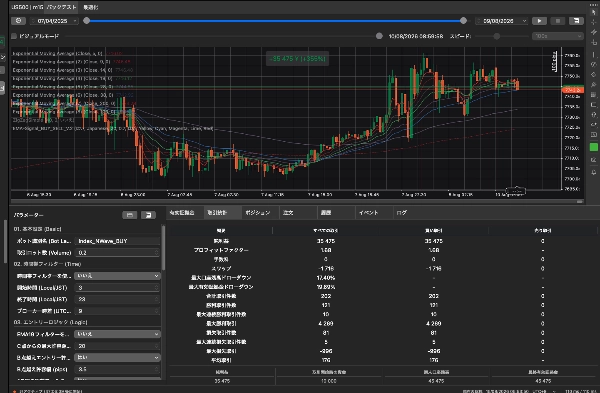
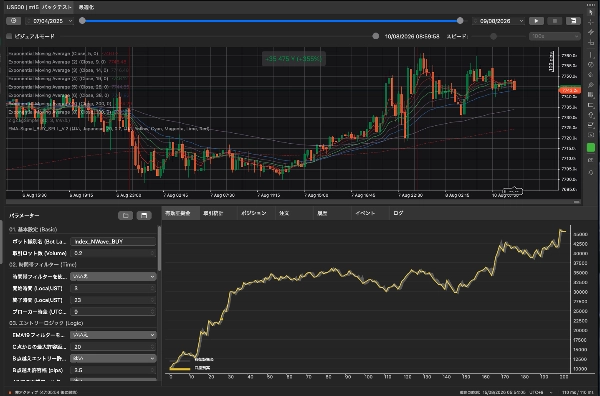
The bot supports trading major indices including US500 (S&P 500), US100 (Nasdaq 100), and JP225 (Nikkei 225). It operates with market orders on a tick chart and employs equity-based stop-loss risk management. Recommended minimum balance is $500, with a risk per trade of 2%. Backtesting covers over a year, showing a profit factor of 1.68 and an ROI of 354%.