
Opis
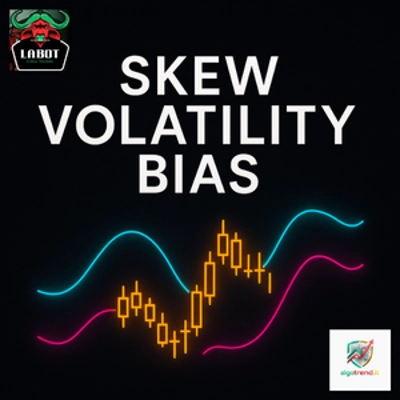
📈 Wskaźnik Skew Volatility Bias – Wersja Profesjonalna (dla cTrader)
Odkryj głębsze zrozumienie presji rynkowej, nierównowagi zmienności i kierunkowej pewności dzięki Wskaźnikowi Skew Volatility Bias, ulepszonej wersji klasycznego podejścia opartego na zmienności, pierwotnie inspirowanego Pine Script, a teraz w pełni zoptymalizowanego dla cTrader.
To narzędzie pomaga traderom wizualizować która strona rynku uderza mocniej — kupujący czy sprzedający — poprzez pomiar asymetrii zmienności i przekształcenie jej w jasny, łatwy do odczytania sygnał.
Niezależnie od tego, czy handlujesz indeksami, forexem, towarami czy kryptowalutami, ten wskaźnik służy jako potężny filtr trendu, detektor reżimu i narzędzie potwierdzające bias.
1. Co mierzy wskaźnik Skew
Wskaźnik ocenia równowagę zmienności między świecami byczymi a niedźwiedziymi.
Oblicza znormalizowany True Range i wprowadza go do dwóch adaptacyjnych średnich:
- Deviation Max → zmienność generowana podczas świec wzrostowych
- Deviation Min → zmienność generowana podczas świec spadkowych
Następnie oblicza:
👉 Skew = DeviationMax / DeviationMin
To przekształca surową zmienność w jasny odczyt kierunkowy:
- Skew > 1 → ruchy wzrostowe są średnio silniejsze
- Skew < 1 → ruchy spadkowe są silniejsze
- Skew ≈ 1 → zmienność jest symetryczna, a rynek zrównoważony
Krótko mówiąc:
Skew ujawnia, która strona ma „dominację zmienności”.
2. Zrozumienie linii
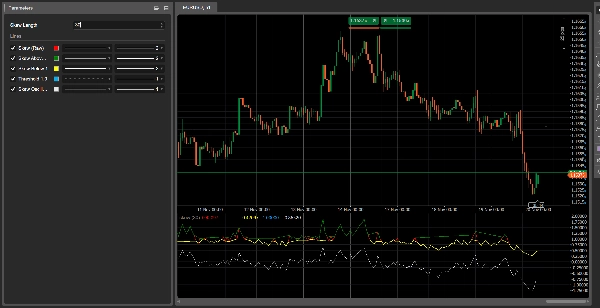
1. Skew (surowy) – Czerwona linia
Czysty stosunek zmienności. To jest główny sygnał.
2. Skew powyżej 1 – Zielona linia
Pokazuje dominację zmienności byczej.
3. Skew poniżej 1 – Żółta linia
Pokazuje dominację zmienności niedźwiedziej.
4. Linia progu 1.0 – Niebieska linia przerywana
Reprezentuje równowagę.
5. Oscylator Skew (log) – Biała linia
Bardziej stabilna, gładsza reprezentacja:
- powyżej 0 = bycza zmienność
- poniżej 0 = niedźwiedzia zmienność
3. Jak to czytać
A) Reżimy rynkowe
🔹 Reżim byczy
- Skew > 1
- Aktywna zielona linia
- Oscylator powyżej zera
→ Rynek sprzyja pozycjom długim.
🔹 Reżim niedźwiedzi
- Skew < 1
- Aktywna żółta linia
- Oscylator poniżej zera
→ Rynek sprzyja pozycjom krótkim.
🔹 Neutralny
- Skew ≈ 1
→ Rynek zrównoważony, odpowiedni do handlu w zakresie.
4. Sygnały zmiany reżimu
Skew przekracza 1 w górę
→ Kupujący zyskują dominację zmienności
→ Przejście w trend byczy
Skew przekracza 1 w dół
→ Sprzedający zyskują dominację zmienności
→ Przejście w trend niedźwiedzi
Te zmiany często występują przed potwierdzeniem trendu przez ruch cenowy, co czyni Skew potężnym wczesnym wskaźnikiem.
5. Praktyczne zastosowania
1️⃣ Filtr trendu dla cBots
- handluj długie pozycje tylko gdy SkewOsc > 0
- handluj krótkie pozycje tylko gdy SkewOsc < 0
2️⃣ Potwierdzenie jakości trendu
- Trend wzrostowy + Skew > 1 = silny trend
- Trend wzrostowy + Skew spadający w kierunku 1 = słabnący trend
3️⃣ Sentiment rynku / filtr ryzyka
Szczególnie skuteczny na indeksach i głównych parach walutowych FX.
6. Podsumowanie
- Co pokazuje: dominację zmienności
- Dlaczego to ważne: zmiany zmienności poprzedzają zmiany cen
- Jak go używać: jako filtr, narzędzie potwierdzające lub wskaźnik sentymentu
- Najlepsze cechy: niezwykle lekki, szybki i elastyczny
Podsumowanie
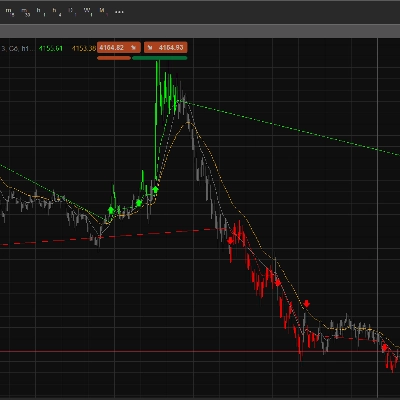
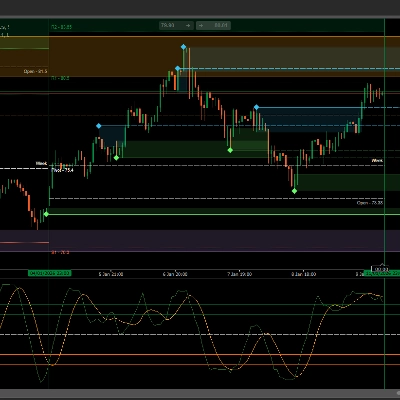
The indicator displays multiple lines: the raw Skew ratio (red), bullish dominance (green), bearish dominance (yellow), an equilibrium threshold at 1.0 (blue dotted), and a smoothed Skew Oscillator (white) that shows bullish volatility above zero and bearish below zero.
Traders use the indicator to detect market regimes—bullish, bearish, or neutral—and anticipate regime shifts when Skew crosses the equilibrium line. It serves as a trend filter for automated trading bots, confirms trend strength, and acts as a market sentiment or risk filter. The tool is applicable across indices, forex, commodities, and cryptocurrencies, providing a lightweight, fast, and adaptable measure of volatility dominance that often precedes price action changes.
Opinie klientów
5 | 60 % | |
4 | 40 % | |
3 | 0 % | |
2 | 0 % | |
1 | 0 % |