
Opis
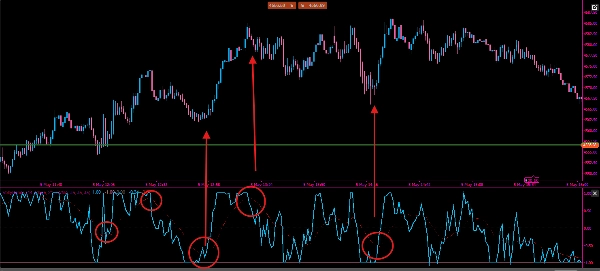
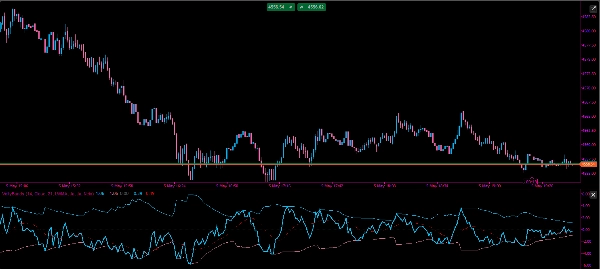
VoltyBands to adaptacyjny wskaźnik oparty na zmienności, który dynamicznie śledzi zachowanie cen i wizualizuje warunki rynkowe za pomocą responsywnych górnych i dolnych pasm. W przeciwieństwie do statycznych wskaźników kanałowych, VoltyBands dostosowuje się w czasie rzeczywistym, aby odzwierciedlić zmiany zmienności, pomagając traderom lepiej zrozumieć fazy ekspansji i kurczenia się cen.
Łącząc adaptacyjne obliczenia pasm z opcjonalną wygładzoną linią sygnału, VoltyBands zapewnia jasne ramy do analizy momentum, identyfikacji potencjalnych stref odwrócenia oraz wykrywania okresów konsolidacji.
Kluczowe cechy
- Adaptacyjne pasma zmienności
Pasma automatycznie rozszerzają się i kurczą w zależności od bieżącej aktywności rynkowej. - Tryb zerowy
Opcja wyświetlania ruchu cen względem centralnej linii bazowej dla lepszej przejrzystości. - Opcja normalizacji
Umożliwia spójne skalowanie, ułatwiając porównywanie sygnałów między różnymi instrumentami i ramami czasowymi. - Zintegrowana średnia krocząca
Wbudowane wygładzanie z wyborem metody (SMA, EMA, SMMA, LWMA). - Konfigurowalny wyświetlacz
Opcjonalna linia środkowa i elastyczne ustawienia wizualizacji.
Jak używać
- Wykrywanie momentum
Ruch ceny blisko górnego pasma może wskazywać na siłę byczą, podczas gdy bliskość dolnego pasma sugeruje presję niedźwiedzią. - Strefy odwrócenia
Ekstremalne odchylenia od linii środkowej mogą wskazywać obszary, gdzie cena może się odwrócić. - Analiza zmienności
Poszerzające się pasma wskazują na rosnącą zmienność; zwężające się pasma sugerują konsolidację. - Potwierdzenie sygnału
Użyj średniej kroczącej jako dodatkowego filtra dla wejść lub wyjść.
Parametry
- Długość – Definiuje czułość obliczeń zmienności
- Źródło – Cena wejściowa (Close, Open itp.)
- Okres MA – Okres linii wygładzającej
- Metoda MA – Typ średniej kroczącej (SMA, EMA, SMMA, LWMA)
- Pokaż środek – Przełącznik linii środkowej
- Zerowe powiązanie – Włącz wizualizację opartą na zerze
- Normalizacja – Aktywuj skalowanie znormalizowane
Praktyczne zastosowanie
VoltyBands można używać do oceny zarówno momentum, jak i struktury rynku w czasie rzeczywistym. Gdy cena pozostaje blisko górnego pasma, sugeruje to utrzymującą się presję byczą, podczas gdy stała interakcja z dolnym pasmem wskazuje na warunki niedźwiedzie.
Na rynkach bocznych traderzy mogą obserwować ruch ceny między pasmami, wykorzystując zewnętrzne poziomy jako potencjalne obszary do powrotu do średniej. Natomiast podczas silnych trendów cena może „jechać” po jednej stronie pasma, sygnalizując kontynuację zamiast odwrócenia.
Linia środkowa może służyć jako dynamiczny poziom równowagi. Przebicia powyżej lub poniżej tej linii mogą być używane jako wskazówki kierunkowe, zwłaszcza w połączeniu z wbudowaną średnią kroczącą dla potwierdzenia.
W trybie znormalizowanym wartości można interpretować jako względne ekstremy, co ułatwia identyfikację nadmiernie rozciągniętych warunków niezależnie od instrumentu czy ram czasowych.
Jak w przypadku każdego wskaźnika, VoltyBands jest najbardziej skuteczny, gdy jest używany razem z analizą ruchu cen i dodatkowymi narzędziami potwierdzającymi.







![Logo „[Stellar Strategies] Wave Trend Pro”](https://cdn.ctrader.com/image/webp/5f226fbb-245a-41cd-9cdd-b018257d5e6d_28617)