


الوصف
الفكرة
سوبرتريند ينتظر تغيرًا هيكليًا بدلاً من اعتبار كل إغلاق يتجاوز النطاق انعكاسًا للاتجاه.
المشكلة
سوبرتريند الكلاسيكي يستجيب بشدة للسعر.
عندما يغلق السعر خارج نطاق سوبرتريند، يمكن أن ينقلب الاتجاه فورًا.
لكن تحرك السعر خارج النطاق لا يعني بالضرورة أن هندسة السعر الأوسع قد تغيرت.
يمكن لشمعة واحدة أن تتحرك عكس الاتجاه دون تغيير كيفية تطور الاتجاه.
المشكلة ليست في استجابة سوبرتريند للسعر. المشكلة هي اعتبار كل كسر للنطاق كتغير هيكلي.
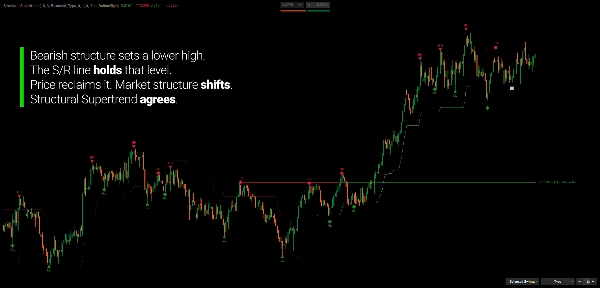
المفهوم الأساسي: يمكن للسعر أن يكسر النطاق دون كسر الاتجاه.
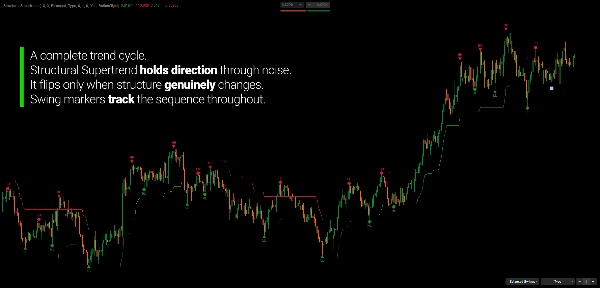
سوبرتريند الهيكلي يفصل بين كسر السعر و التغير الهيكلي.
يُعتبر الإغلاق خارج نطاق سوبرتريند كتغير محتمل.
يقوم المؤشر بتقييم هيكل التأرجح المحيط باستخدام نقاط تأرجح مؤهلة بدلاً من اعتبار كل أقصى محلي ذا معنى.
هذا يحول السؤال من:
"هل كسر السعر النطاق؟"
إلى:
"هل تغيرت هندسة السعر الأساسية فعلاً؟"
يمكن للسعر أن يكسر النطاق دون كسر الاتجاه.
ما يفعله
يجمع سوبرتريند الهيكلي بين نطاقات سوبرتريند وتحليل هيكلي قائم على التأرجحات.
عندما يتحرك السعر خارج النطاق، يقيم المؤشر ما إذا كان هيكل التأرجح الأوسع يدعم تغير الاتجاه.
إذا لم تتحقق الشروط الهيكلية، يمكن أن يبقى الاتجاه الحالي سليمًا.
إذا حدث التغير الهيكلي المطلوب، يتغير سوبرتريند وفقًا لذلك.
هذا يجعل مرجع الاتجاه أقل اعتمادًا على شمعة فردية وأكثر ارتباطًا بتطور هندسة السعر.
من كسر السعر إلى التغير الهيكلي
يمكن رؤية العملية في ثلاث مراحل:
- يتحرك السعر خارج نطاق سوبرتريند.
- يتم تقييم هيكل التأرجح.
- يتغير الاتجاه فقط عندما تتحقق الشروط الهيكلية.
لذلك، فإن كسر النطاق هو مجرد معلومة.
لا يُعتبر تلقائيًا انعكاسًا.
رؤيتان لسوبرتريند. رسم بياني واحد.
يمكن للمؤشر عرض كلا:
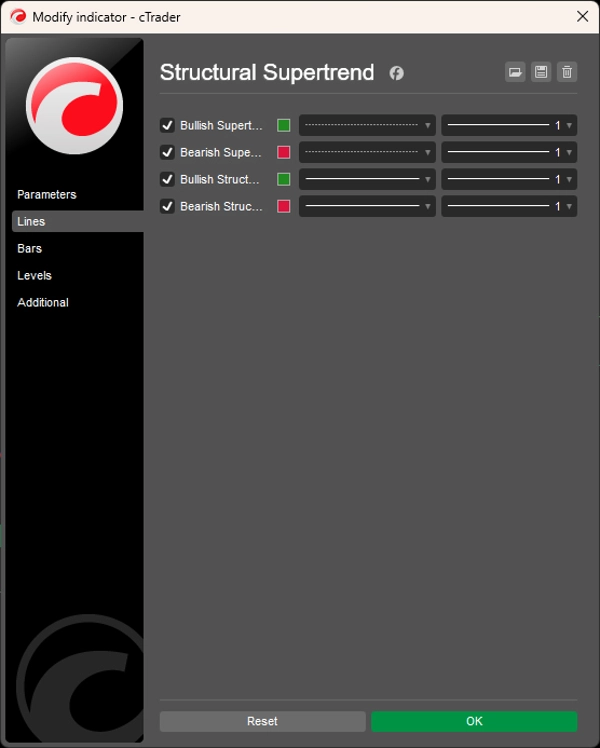
سوبرتريند الهيكلي
مرجع الاتجاه الواعي بالهيكل.
سوبرتريند الأصلي
سوبرتريند التقليدي الأكثر استجابة.
عندما يختلف الاثنان، يصبح الفرق نفسه سياقًا مفيدًا.
على سبيل المثال، قد يتغير سوبرتريند الأصلي بينما يبقى سوبرتريند الهيكلي دون تغيير.
هذا لا يعني تلقائيًا انعكاسًا أو استمرارًا.
إنه ببساطة يظهر أن السعر تحرك عكس المرجع الهيكلي الأوسع دون أن يحدث التغير الهيكلي المطلوب بعد.
خريطة التأرجح
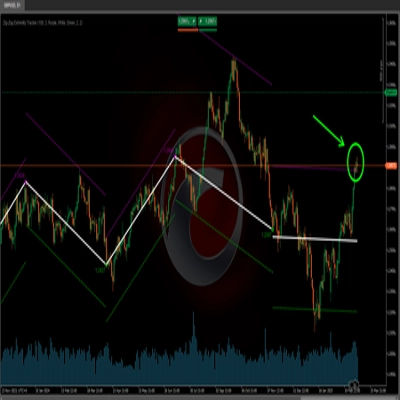
يشمل سوبرتريند الهيكلي اكتشاف التأرجحات المتكامل بثلاث مستويات حساسية:
- صغير
- متوازن
- كبير
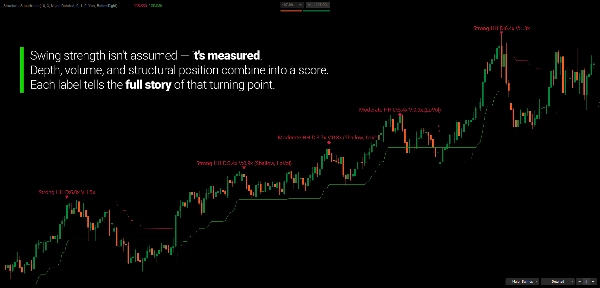
يتم تقييم كل تأرجح مؤكد من خلال:
- عمق التأرجح
- حجم التيك
- الموقع الهيكلي بالنسبة للتأرجحات السابقة
توفر خريطة التأرجح هذه المرجع الهيكلي المستخدم لتقييم التغيرات المحتملة في الاتجاه.
الدعم والمقاومة التي تتذكر
يمكن لمستويات التأرجح المكتشفة أن تعمل أيضًا كمرجع دعم ومقاومة ديناميكي.
يمكن للمؤشر تتبع خصائص مثل:
- عدد الاختبارات
- عمر المستوى
- رفض الفتيل
- كسر الجسم
- تغيرات القطبية
- الإبطال
بدلاً من اعتبار كل مستوى كخط أفقي معزول، يحتفظ المستوى بمعلومات حول كيفية تفاعل السعر معه.
اقرأ العلاقة، وليس اللون فقط
لون سوبرتريند هو جزء واحد فقط من الصورة.
يمكن أن تأتي ملاحظات أكثر فائدة من العلاقة بين:
- السعر ونطاق سوبرتريند
- سوبرتريند الأصلي والهيكلي
- التأرجحات الحالية والتأرجحات السابقة
- الدعم/المقاومة والسعر الحالي
- حركة الإطار الزمني الأدنى وسياق الإطار الزمني الأعلى
تم تصميم المؤشر للحفاظ على هذه العلاقات مرئية بدلاً من ضغطها في إشارة واحدة.
الهيكل بدون الحاجة للتنبؤ
لا يحاول المؤشر التنبؤ بما إذا كانت الحركة التالية ستنعكس أو تستمر.
ينتظر السعر ليقدم مزيدًا من المعلومات.
يمكن أن تظل الحركة عكس الاتجاه حركة عكس الاتجاه حتى يتغير الهيكل الأساسي.
هذا يجعل المؤشر مفيدًا لمراقبة كيفية تطور الاتجاهات فعليًا بدلاً من محاولة توقع كل انعكاس محتمل.
أطر زمنية متعددة
يمكن استخدام سوبرتريند الهيكلي عبر أطر زمنية لمقارنة تطور الاتجاه على مقاييس مختلفة.
يمكن أن يوفر الاتجاه الهيكلي للإطار الزمني الأعلى سياقًا بينما يكشف الإطار الزمني الحالي عن الحركات الأصغر التي تتطور بداخله.
هذا يجعل من الممكن ملاحظة التصحيحات والاستمرارية والتغيرات الهيكلية المحتملة دون اعتبار كل حركة في الإطار الزمني الأدنى كاتجاه جديد.
مصمم للسياق الهيكلي
استخدم سوبرتريند الهيكلي لدراسة:
- اتجاه الاتجاه
- التغيرات الهيكلية
- التراجعات والتصحيحات
- حركة السعر خارج النطاق
- علاقات التأرجح
- سلوك الدعم والمقاومة
- التباعد بين سوبرتريند الأصلي والهيكلي
- سياق الاتجاه للإطار الزمني الأعلى
لم يتم تصميمه كنظام شراء/بيع تلقائي.
الهدف بسيط:
هل تغير الاتجاه فعلاً، أم أن السعر تحرك ضده فقط؟
الميزات الرئيسية
- سوبرتريند واعي بالهيكل
- مرجع سوبرتريند الأصلي
- تأكيد هيكلي
- اكتشاف التأرجح المتكامل
- حساسية صغير / متوازن / كبير
- عمق التأرجح
- سياق حجم التيك
- قوة التأرجح
- الدعم والمقاومة الديناميكي
- اختبار المستوى والعمر
- رفض الفتيل
- كشف كسر الجسم
- تغيرات القطبية
- إبطال المستوى
- تحليل متعدد الأطر الزمنية
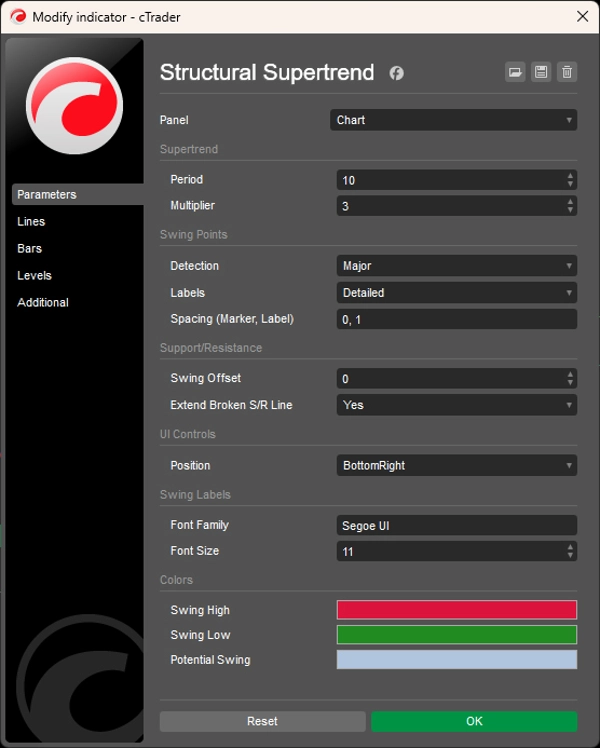
- عرض قابل للتخصيص
---
التداول ينطوي على مخاطر. هذا المؤشر هو أداة تحليل فني ويجب استخدامه مع إدارة مخاطر مناسبة.
الملخص
The indicator integrates a comprehensive swing detection and support/resistance (S/R) framework. Swings are qualified based on displacement, volume, and ATR-relative distance, and scored dynamically for strength using recent swing history. Users can select among three detection modes—Minor, Balanced, and Major—to adjust sensitivity. Confirmed swings generate active S/R zones that track interaction history, including polarity flips when levels are breached, and display age and test counts.
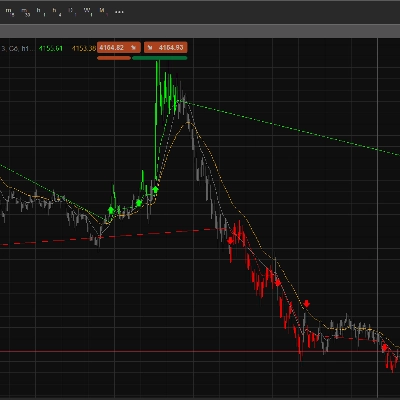
On the chart, the Structural Supertrend line indicates the major trend direction (green for bullish, red for bearish), while the original Supertrend appears only where it diverges, highlighting impulse or corrective phases. This dual-layer view aids in distinguishing strong directional moves from transitional market phases.
Structural Supertrend is intended for trend, swing, and structure-based traders seeking a coherent framework to analyze market direction and structure without relying on reactive signals. It offers real-time UI controls for mode switching and label adjustments, supporting informed decision-making based on market structure rather than immediate price action.
تقييمات العملاء
5 | 75 % | |
4 | 25 % | |
3 | 0 % | |
2 | 0 % | |
1 | 0 % |
مناقشة
الأسئلة الشائعة













السعر