![Trading product for [CB] Pivot Points Pro Wskaźnik Breakout Indices, image 1](https://cdn.ctrader.com/image/webp/43463c82-67b0-4f10-a4ba-901bba091d81_32594)
![Trading product for [CB] Pivot Points Pro Wskaźnik Breakout Indices, image 2](https://cdn.ctrader.com/image/webp/722302dc-3fc8-4aab-9f38-a9f4314d8613_32595)
![Trading product for [CB] Pivot Points Pro Wskaźnik Breakout Indices, image 3](https://cdn.ctrader.com/image/webp/ead94ff6-1be2-4773-9c6c-dcdc74c8806c_32596)
Opis
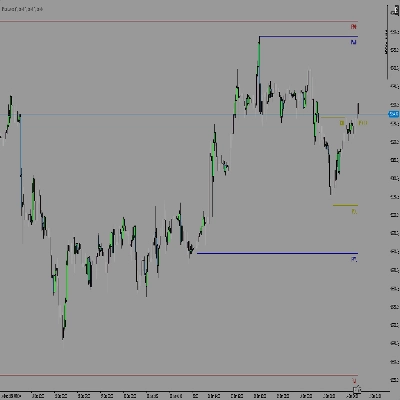
Punkt obrotu to wskaźnik analizy technicznej, który służy do określenia ogólnego trendu na rynku przy użyciu różnych ram czasowych i pełni rolę identyfikowania poziomów wsparcia i oporu. Najpopularniejszą ramą czasową dla wskaźnika punktu obrotu jest dzienna.
Jak dostosować wskaźnik
Możesz łatwo wyłączyć poziomy wsparcia i oporu 1,2 i 3, aby widzieć tylko główny punkt obrotu, robi się to w ustawieniu Pokaż R/S. Termin R/S oznacza poziomy oporu i wsparcia.
Dostępne formuły punktu obrotu
Istnieje kilka opcji obliczeń, gdzie pokazywane są poziomy wsparcia i oporu, ten wskaźnik pozwala na wybór 3.
- Standardowa (klasyczna)
- Fibonacciego
- Woodie
Opcje wieloramowe
Wskaźnik ma również opcję pokazywania punktów obrotu z różnych ram czasowych na twoim wykresie, który może przedstawiać inną ramę czasową, dostępne ramy czasowe to:
- Aktualna rama czasowa wykresu
- 1 godzina
- 4 godziny
- Dzienna
- Tygodniowa
- Miesięczna
Jak handlować z wskaźnikiem
Poniżej pokazano przykład, jak handlować z tym wskaźnikiem:
- Wejście 1: odrzut na poziomie R1 i pojawia się świeca objęcia
- Wejście 2: wybicie punktu obrotu i ponowne testowanie
- Take Profit: osiągnięcie poziomu S2, który jest również dolną granicą zakresu
Podsumowanie
It offers multi-timeframe functionality, enabling the visualization of pivot points from various timeframes such as the current chart timeframe, 1-hour, 4-hour, daily, weekly, and monthly. This flexibility helps traders analyze market conditions across different periods.
The indicator is primarily used to find pullback entries within trends. Typical trading strategies include entering on rejection at resistance levels confirmed by candlestick patterns (e.g., engulfing candles), entering on breakout and retest of pivot points, and setting take profit targets at specified support levels like S2.
Overall, [CB] Pivot Points Pro facilitates the identification of trend direction and potential reversal or continuation points by plotting pivot levels and their associated support and resistance zones across multiple timeframes and calculation methods.
Dyskusja
Opinie klientów
5 | 33 % | |
4 | 67 % | |
3 | 0 % | |
2 | 0 % | |
1 | 0 % |