
Descrição
📌 O que o Indicador Faz
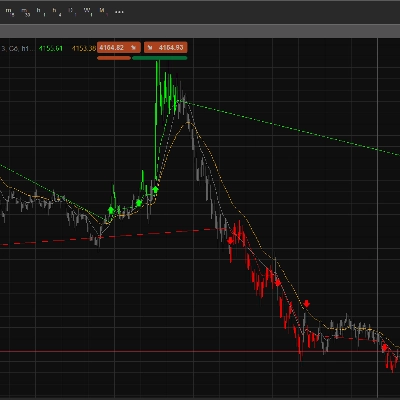
MarketStructureOscSignals é uma ferramenta de sinal de ação de preço pura.
Ele:
- Detecta topos e fundos oscilantes usando uma análise retrospectiva esquerda/direita.
- Acompanha se esses oscilantes estão formando:
-
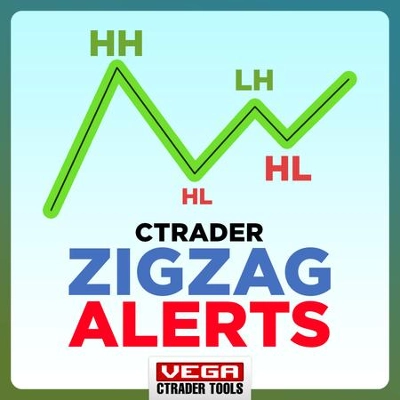
- Topos mais altos + Fundos mais altos → estrutura de alta
- Topos mais baixos + Fundos mais baixos → estrutura de baixa
- Quando a estrutura muda:
-
- De baixa → alta → ele plota um sinal de COMPRA
- De alta → baixa → ele plota um sinal de VENDA
Então, cada sinal representa uma verdadeira mudança na estrutura do mercado, não apenas um cruzamento de média móvel.
⚙️ Entradas e Como Configurá-las
1. Swing Left / Swing Right
Eles controlam o quão “estrito” é um topo/fundo oscilante.
- Swing Left (padrão 2)
Número de barras à esquerda do oscilante que devem ter topos mais baixos (para topo oscilante) ou fundos mais altos (para fundo oscilante). - Swing Right (padrão 2)
Número de barras à direita que também devem confirmar o oscilante.
Como usar:
- Valores pequenos (1–2):
-
- Mais oscilantes, mais sinais
- Funciona bem em timeframes maiores (H1, H4, D1)
- Valores maiores (3–4+):
-
- Apenas grandes reversões estruturais
- Menos, mas sinais mais fortes
- Bom para timeframes menores para evitar ruído
2. Min Bars Between Signals
Número mínimo de barras que devem passar entre dois sinais.
- Evita aglomerados de setas em cada pequeno recuo.
- Exemplo:
-
- Definido para
3→ pelo menos 3 barras entre um sinal e o próximo. - Em gráficos muito rápidos (M1–M5) você pode querer
5–10. - No H1 ou superior,
2–3geralmente é suficiente.
- Definido para
3. Arrow Offset (pips)
Quão longe a seta e o rótulo são colocados da vela (em pips).
- Para Forex:
-
5–10pips geralmente fica bom.
- Para índices (US500, US100, etc.):
-
- Use um deslocamento maior (ex. 20–50 “pips” dependendo do tamanho do pip do corretor).
Se as setas se sobrepõem às velas, aumente esse valor.
Se estiverem muito distantes, diminua-o.
4. Mostrar Texto COMPRA/VENDA
true→ mostra tanto uma seta (↑/↓) quanto o texto “COMPRA” ou “VENDA”.false→ apenas setas.
Se o gráfico parecer poluído, você pode ocultar o texto e manter apenas as setas.
🔍 Como os Sinais São Gerados (Lógica)
Internamente o indicador:
- Acompanha os dois últimos topos oscilantes e os dois últimos fundos oscilantes:
-
_prevHigh,_lastHigh_prevLow,_lastLow
- A partir disso verifica:
-
- Os topos e fundos estão ambos subindo?
-
- → tendência de alta (
StructureTrendSignal.Bullish)
- → tendência de alta (
- Os topos e fundos estão ambos caindo?
-
- → tendência de baixa (
StructureTrendSignal.Bearish)
- → tendência de baixa (
- Se não estiverem alinhados, mantém a tendência anterior.
- Toda vez que a tendência estrutural muda:
-
Baixa → Alta→ sinal de COMPRAAlta → Baixa→ sinal de VENDA
- Também garante:
-
- A tendência não era
Desconhecida(ou seja, não no início absoluto). - Barras suficientes se passaram desde o último sinal (
MinBarsBetweenSignals).
- A tendência não era
Isso significa que cada seta marca uma verdadeira mudança estrutural, não ruído aleatório.
📈 Como Ler Sinais de COMPRA/VENDA no Gráfico
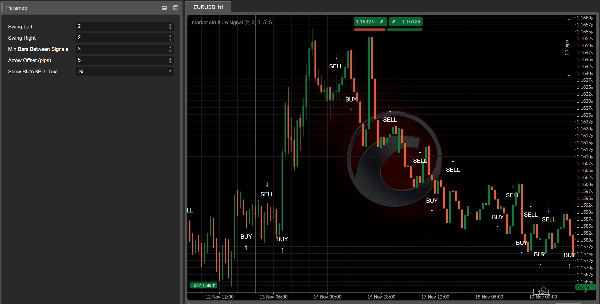
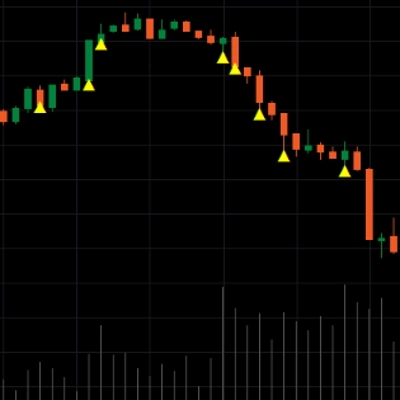
✅ Sinal de COMPRA
O que você vê:
- Uma seta para cima
↑abaixo da vela - Opcionalmente o texto “COMPRA” perto da seta
O que significa:
- A estrutura mudou de baixa → alta.
- Os últimos topos e fundos oscilantes estão agora ambos subindo.
- O mercado provavelmente está transitando para uma nova tendência de alta ou retomando a estrutura de alta.
Como usar:
- Procure entradas longas:
-
- Na vela do sinal ou nas próximas velas.
- Preferencialmente após um pequeno recuo para um nível de suporte (fundo oscilante anterior, zona de demanda, VWAP, VA low, etc.).
- Use ferramentas como Kalman Trend / EMA / Volume Profile para filtrar:
-
- Só faça COMPRA quando o timeframe maior ou Kalman também estiver em alta.
✅ Sinal de VENDA
O que você vê:
- Uma seta para baixo
↓acima da vela - Opcionalmente o texto “VENDA”
O que significa:
- A estrutura mudou de alta → baixa.
- Os topos e fundos oscilantes estão agora ambos caindo.
- O mercado provavelmente está entrando em uma tendência de baixa ou retomando a estrutura de baixa.
Como usar:
- Procure entradas curtas:
-
- Na vela do sinal ou nas velas seguintes perto da resistência.
- Ideal após um reteste de um suporte rompido (agora resistência), VAH, zona de oferta, etc.
🎯 Usos Práticos para Trading
1. Como Ferramenta de Entrada Independente
Conjunto de regras simples:
- Configuração de Compra
-
- Espere uma seta de COMPRA.
- Coloque uma ordem longa na/por perto da vela do sinal.
- Stop loss abaixo do fundo oscilante recente.
- Alvo no topo oscilante anterior ou uma resistência chave.
- Configuração de Venda
-
- Espere uma seta de VENDA.
- Coloque uma ordem curta na/por perto da vela do sinal.
- Stop loss acima do topo oscilante recente.
- Alvo no fundo oscilante anterior ou suporte chave.
Este é o uso mais básico e funciona melhor em H1, H4 e D1, onde a estrutura é mais limpa.
2. Como Ferramenta de Confirmação com Seus Outros Indicadores
É aqui que fica poderoso.
🔹 Com Kalman Filter Trend
- Só faça sinais de COMPRA quando:
-
- A tendência Kalman estiver subindo e o preço estiver na linha Kalman ou acima dela.
- Só faça sinais de VENDA quando:
-
- A tendência Kalman estiver descendo e o preço estiver na linha Kalman ou abaixo dela.
Efeito:
Kalman te dá uma tendência suave, MarketStructureOscSignals te dá mudanças estruturais precisas. Juntos filtram muitos trades ruins.
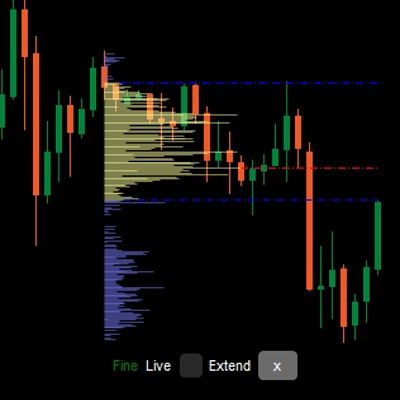
🔹 Com Volume Profile / Suporte & Resistência
- COMPRA forte:
-
- A seta de COMPRA aparece perto do VA Low, fundo oscilante anterior, ou varredura de liquidez, com rejeição.
- VENDA forte:
-
- A seta de VENDA aparece perto do VA High, topo oscilante anterior, ou varredura de liquidez no topo.
Aqui o sinal não é apenas um padrão técnico, mas também está ancorado em zonas de liquidez e fluxo de ordens.
3. Para Escalar Entradas / Saídas
Você também pode usar novos sinais como:
- Pontos de Escala
Adicione a uma posição quando um novo sinal aparecer na mesma direção do seu trade existente e o timeframe maior estiver alinhado. - Saída Antecipada / Parcial
Se você estiver comprado e aparecer um sinal de VENDA contra sua posição (especialmente perto de estrutura chave), você pode: -
- Fechar parte da posição
- Ou apertar os stops
🧪 Configurações Iniciais Recomendadas
Para Forex H1 / H4:
Swing Left = 2Swing Right = 2Min Bars Between Signals = 3Arrow Offset = 5–10 pips
Para Índices M15 / H1:
Swing Left = 2–3Swing Right = 2–3Min Bars Between Signals = 5Arrow Offsetadaptado ao símbolo (ex. 20–50 “pips” dependendo do corretor)
Para Crypto H1 / H4:
- Oscilantes um pouco maiores para filtrar ruído:
-
Swing Left = 3Swing Right = 3Min Bars Between Signals = 4–6
Sempre faça backtest com seu instrumento e timeframe preferidos para ajustar finamente Swing e MinBarsBetweenSignals.
Resumo
The indicator provides visual signals as arrows and optional text on the chart, marking significant structural shifts rather than simple moving average crossovers. Users can adjust parameters such as swing strictness, minimum bars between signals to avoid clustering, arrow offset for display clarity, and whether to show BUY/SELL text.
Market Strutture Signal Pro supports multiple markets including Forex, indices, commodities, stocks, and cryptocurrencies, with recommended settings tailored for different timeframes and asset classes. It can be used as a standalone entry tool or combined with other indicators like Kalman Filter Trend and Volume Profile to enhance trade confirmation and filtering. The indicator also supports scaling in/out strategies based on structural shifts.
This tool is suitable for traders focusing on higher timeframes (H1, H4, D1) for cleaner structure signals and can be fine-tuned through backtesting for specific instruments and timeframes.
Avaliações de clientes
5 | 50 % | |
4 | 50 % | |
3 | 0 % | |
2 | 0 % | |
1 | 0 % |









![Logótipo de "High-Low Divergence [Iridio Capital]"](https://cdn.ctrader.com/image/webp/10a9e91b-243a-43f6-bbfe-7376bad5a214_61554)