
설명
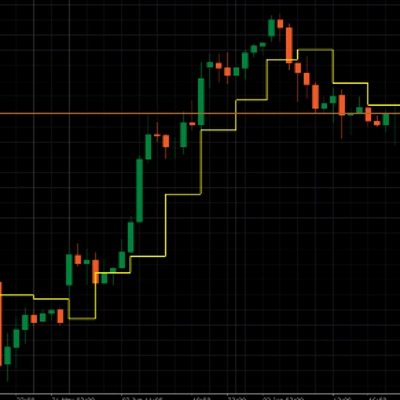
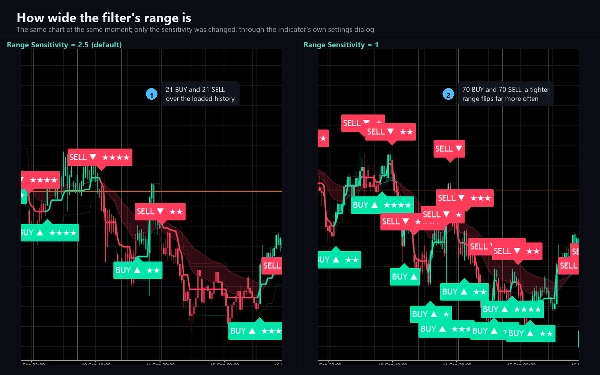
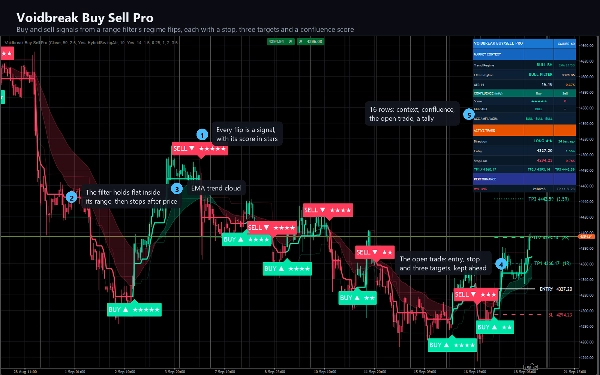
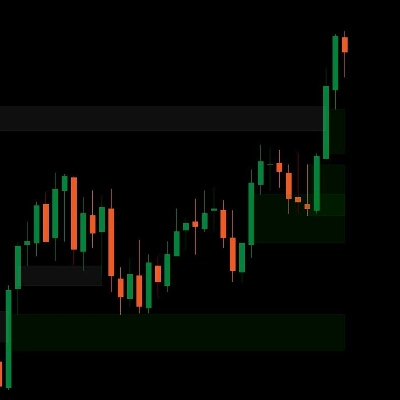
Voidbreak Buy Sell Pro는 범위 필터를 그립니다: 가격이 그 안에서 움직이는 동안 고정된 선이며, 가격이 그 범위를 벗어날 때만 선이 이동합니다.
선이 평평할 때는 아무 일도 일어나지 않습니다 - 이것이 공백입니다. 가격이 돌파하고 선이 새로운
방향으로 이동하기 시작하면, 체제가 전환되고, 그 전환이 신호입니다: 강세로 전환되면 매수,
약세로 전환되면 매도입니다. 모든 신호에는 스톱, 세 개의 목표 및 점수가 함께 제공됩니다.
그려지는 것
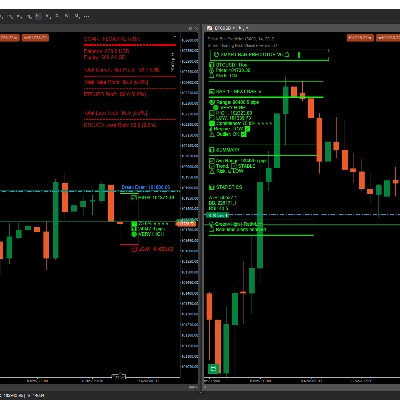
- 범위 필터, 너비 3픽셀, 상승할 때는 강세 색상, 하락할 때는 약세 색상이며, 위아래에 희미한 밴드가 있습니다.
- 필터 방향에 따라 색칠된 캔들 - 캔들이 필터와 같은 방향으로 마감할 때는 진한 색, 반대 방향으로 마감할 때는 연한 색.
- 21과 50 EMA 사이의 추세 구름, 위에 있는 EMA의 색상으로 표시됩니다. 이는 표시용입니다.
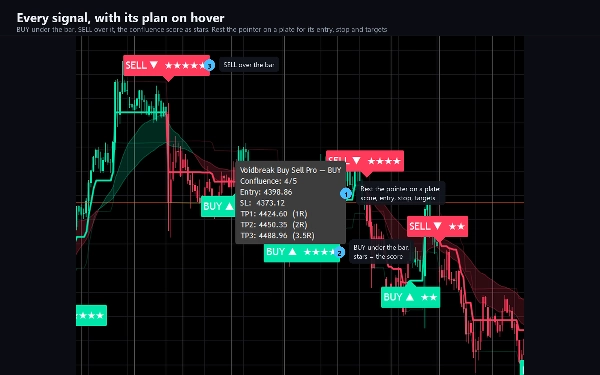
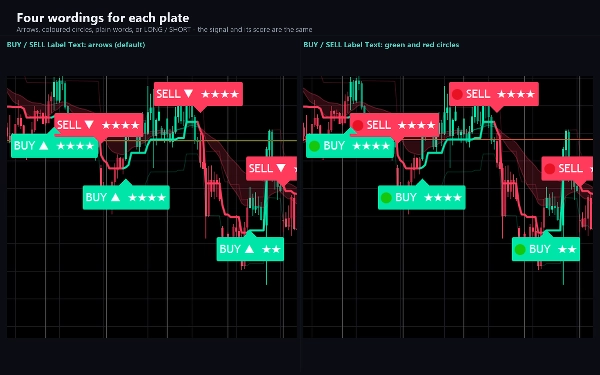
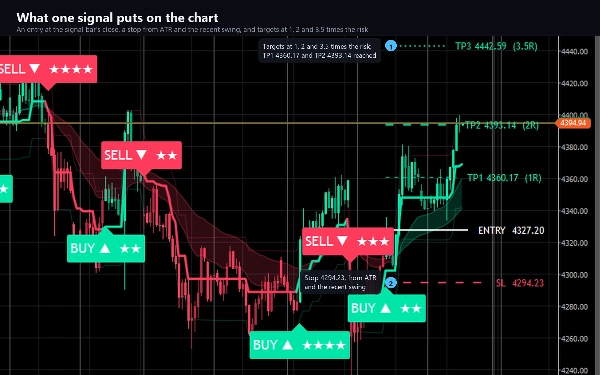
- 모든 신호 바에 표시되는 플레이트 - 캔들 아래에 매수, 위에 매도 - 별로 표시된 합류 점수.
포인터를 플레이트 위에 올리면 점수, 진입, 스톱 및 세 개의 목표를 볼 수 있습니다.
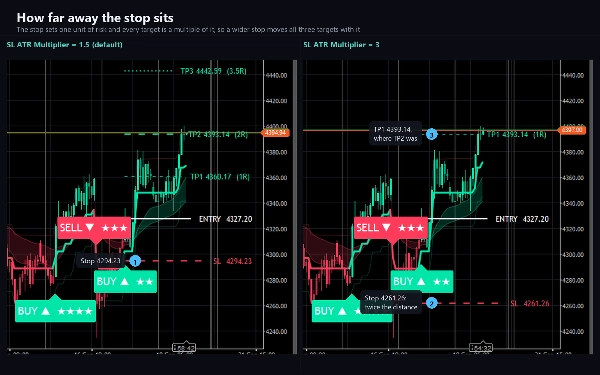
- 열린 거래에 대해: 진입선, 스톱, 그리고 위험의 1, 2, 3.5배에 해당하는 세 개의 목표가 각각 가격 태그와 함께 표시되며, 바마다 앞으로 이동하여 항상 가격보다 앞서갑니다. 거래가 종료되면 해당 선들이 제거되고, 다음 신호가 새 세트를 그립니다.
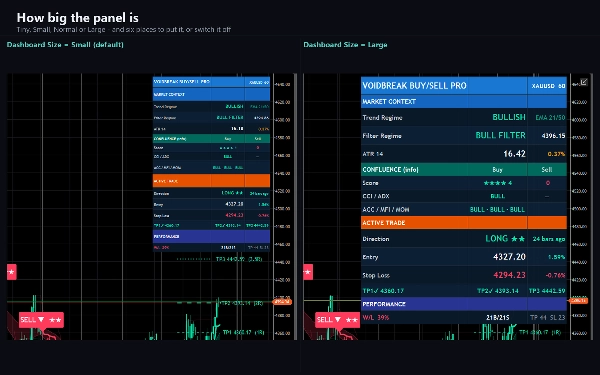
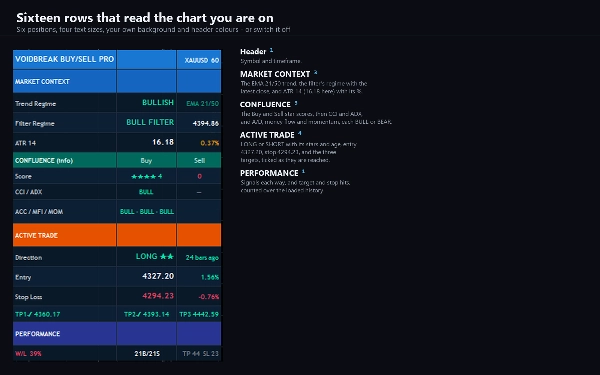
- 16행 4섹션으로 구성된 패널: 시장 상황(EMA 추세, 필터 체제, ATR), 양측의 합류 판독, 진입, 스톱 및 목표가 도달 시 체크된 활성 거래, 그리고 신호, 목표 도달 및 스톱 도달의 누적 카운트.
결정 방식
한 번에 하나의 거래만 추적하며 항상 마지막 전환 방향으로 진행하므로, 모든 전환은 이전 거래를 종료하고 반대 방향 거래를 엽니다. 신호는 해당 바가 마감될 때 결정되며 이후에는 변경되지 않습니다. 목표와 스톱은 바가 형성되는 동안 확인됩니다.
스톱에는 세 가지 모드가 있습니다. 기본값인 하이브리드는 ATR 스톱과 최근 스윙을 넘는 스톱 중 더 엄격한 것을 사용하며, 빠른 차트에서는 스윙의 조회 기간이 줄어듭니다. 순수 ATR은 ATR 스톱만 사용합니다. 최근 스윙은 스윙만 사용합니다. 위험은 절대 10틱보다 작지 않습니다.
다섯 개의 합류 별 - CCI, 방향선이 포함된 ADX, 축적/분배, 자금 흐름 및 모멘텀 회귀 - 는 정보용입니다. 이들은 플레이트와 패널에 표시되며 신호를 막지 않습니다. 끄면 점수 산정만 중지됩니다.
주요 설정
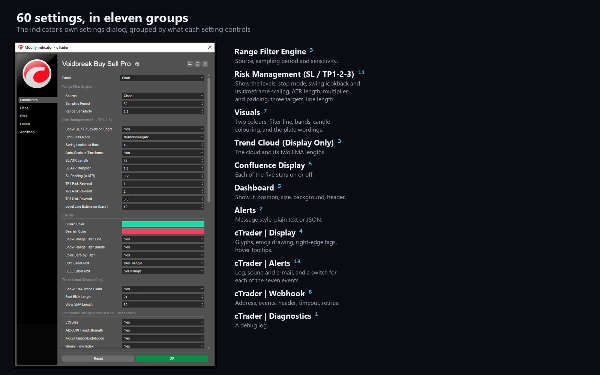
11개 그룹에 60개 설정. 필터의 소스, 샘플링 기간 및 민감도; 스톱 모드, 스윙 조회 및 시간 프레임 스케일링, ATR 길이, 배수 및 패딩, 세 개의 위험 대비 보상 목표 및 레벨 라인의 길이; 두 가지 색상, 필터 선, 밴드, 캔들 색상 및 각 플레이트의 네 가지 문구; 구름과 두 EMA 길이; 각 합류 요소 켜기/끄기; 패널 위치, 크기, 배경 및 헤더 색상; 알림 메시지 스타일; 그리고 cTrader 그룹(표시, 알림, 웹훅 및 진단).
알림 및 웹훅
각각 스위치가 있는 7가지 이벤트: 매수, 매도, 어느 신호든, 첫 번째, 두 번째, 세 번째 목표, 그리고 스톱. cTrader 로그 라인, 선택한 소리, 이메일로 전달됩니다. 신호 알림에는 진입, 스톱, 세 개 목표 및 점수가 포함됩니다. 지표가 차트 기록을 걷는 동안은 아무 것도 작동하지 않으며, 백테스트에서도 작동하지 않습니다.
웹훅은 신호와 선택 시 목표 및 스톱 이벤트를 JSON 형식으로 입력한 주소(트레이딩 봇, 저널, 릴레이, 자동화 흐름 등)로 전송합니다. 주소를 입력할 때까지 꺼져 있으며, 이벤트별 바별 중복 제거, 분당 20개 메시지 제한, 실패 시 기록만 하고 예외를 발생시키지 않습니다. cTrader 자체 네트워킹 서비스를 통해 전송되므로 지표는 파일이나 네트워크 접근 권한이 전혀 필요 없습니다.
유형 및 창
오버레이 지표: 모든 것이 가격 차트 위에 그려지며 별도의 창을 추가하지 않습니다.
시간 프레임 및 상품
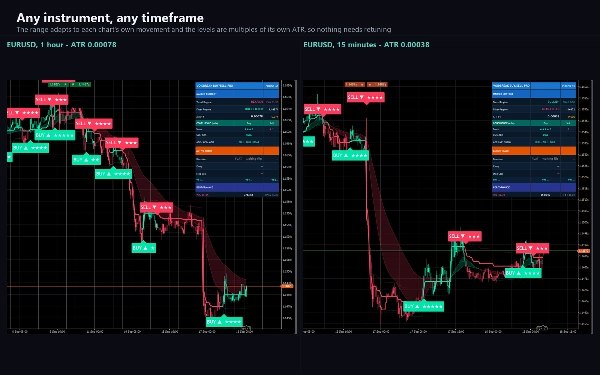
모든 시간 프레임. 범위는 각 차트의 움직임에 맞게 조정되며, 스톱과 목표는 해당 차트의 ATR 배수이고, 가격은 브로커의 틱 단위로 포맷되어 5분 차트와 일간 차트, 5소수점 쌍과 금 사이에 재조정이 필요 없습니다. 축적 및 자금 흐름 별은 브로커의 틱 볼륨을 읽으며, 신호나 레벨은 읽지 않습니다.
사용 사례
- 조용한 범위를 돌파하는 순간부터 추세를 따라가고, 범위 내에서는 관망합니다.
- 각 신호를 계획으로 전환: 하나의 스톱과 세 개의 목표를 미리 그려줍니다.
- 별을 통해 신호 뒤에 얼마나 많은 동의가 있는지 읽습니다.
- 신호 발생 또는 목표 도달 시 로그 라인, 소리, 이메일 또는 웹훅으로 알림을 받습니다.
대상 사용자
범위 내에서 조용히 유지되는 명확한 매수 및 매도 포인트를 원하는 트레이더, 그리고 화살표 대신 스톱과 목표 세트가 포함된 신호를 원하는 모든 사람.
체험판
무료 체험판은 EURUSD에서만 전체 지표를 제공합니다 - 모든 브로커 접미사가 작동합니다. 다른 심볼에서는 공지문을 표시하고 아무 것도 그리지 않습니다. 시간 제한, 축소된 기록, 누락된 기능이 없습니다. 전체 버전은 심볼 제한을 제거하며 다른 것은 변경하지 않습니다.
기술 노트 및 제한 사항
접근 권한: 없음. 지표는 파일을 읽거나 프로세스를 시작하거나 자체적으로 연결을 열 수 없습니다.
차트 및 분석 도구입니다. 주문을 실행하지 않으며 계정에 접근 권한이 없습니다.
범위 필터는 차트의 처음 몇 백 개 바에 걸쳐 안정화되므로 초기 신호를 읽기 전에 기록을 로드하세요. 최근 스윙 모드에서는 스윙이 신호 바에서만 읽히며, 많은 매수 신호에서 스톱이 진입가보다 매우 낮게 설정됩니다. 기본값인 하이브리드와 순수 ATR은 영향을 받지 않습니다.
패널의 성능 행은 차트에 로드된 바에서 만난 레벨을 집계합니다. 첫 번째 목표 이후 도달한 스톱은 승리로 간주되며, 다음 전환으로 종료된 거래는 진입가 이상에서 종료되면 승리로 간주됩니다. 이는 기록에 대한 설명이며 백테스트나 예측이 아닙니다.
지원
질문은 토론 탭을 통해 문의하세요. 브로커, 심볼, 시간 프레임, cTrader 버전 및 전체 차트 스크린샷을 포함하면 첫 시도에 유용한 답변을 받을 수 있습니다.
거래에는 위험이 따릅니다. 과거 성과가 미래 결과를 보장하지 않습니다.
요약
The indicator visually displays the range filter line with colored bands, candles shaded by filter direction, and a trend cloud based on 21 and 50 EMAs. Signal bars are marked with buy/sell plates showing a confluence score derived from five technical factors (CCI, ADX, accumulation/distribution, money flow, and momentum regression), which provide informational context but do not affect signal generation.
A live panel summarizes market context, confluence readings, active trade status, and performance metrics including counts of signals, targets, and stops reached. Alerts for signals, targets, and stops can be delivered via cTrader log, sound, email, or webhook in JSON format for integration with external systems.
Voidbreak Buy Sell Pro supports extensive customization with 60 settings covering filter parameters, stops, targets, colors, alerts, and display options. It requires no special access rights and does not place orders. The indicator is intended for traders seeking clear, actionable buy and sell signals with integrated trade management tools.








!["[Stellar Strategies] VBO" 로고](https://cdn.ctrader.com/image/webp/f034c012-94d4-445a-a01b-febd1cdedaef_36944)