Description
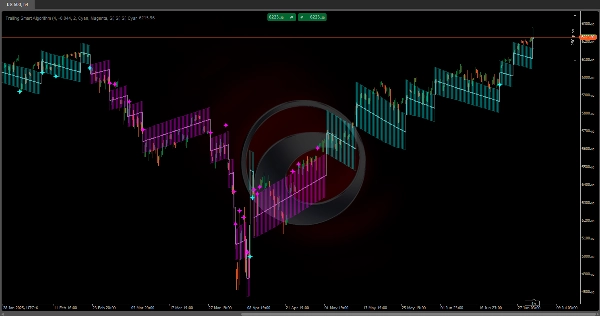
Trailing Smart Algorithm
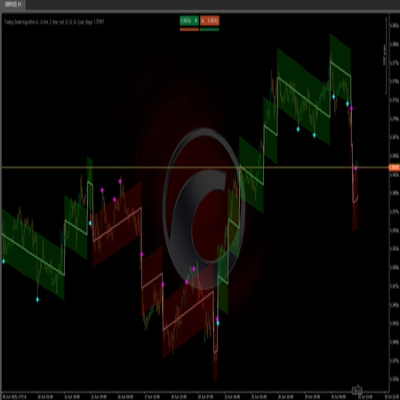
https://chartshots.spotware.com/c/69f0f1d89000b
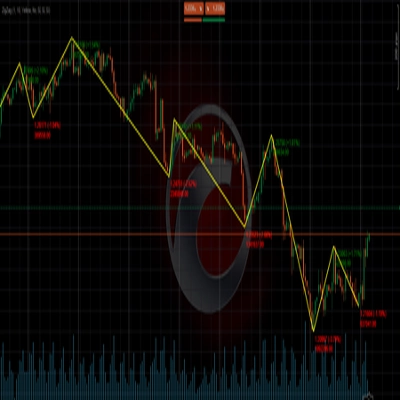
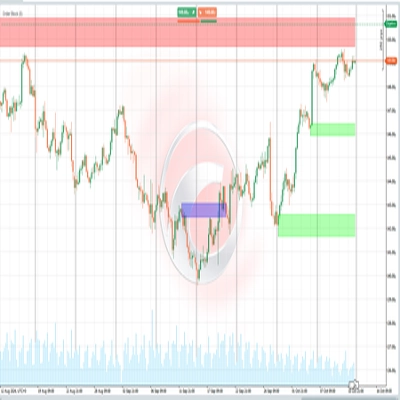
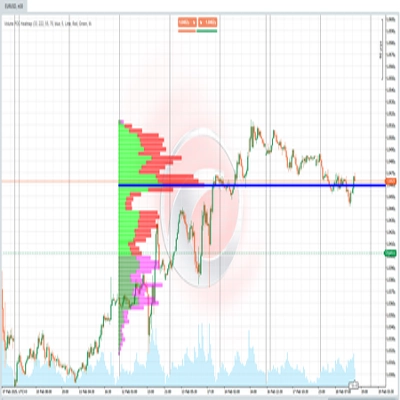
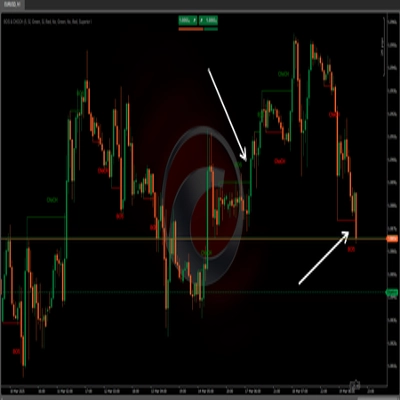
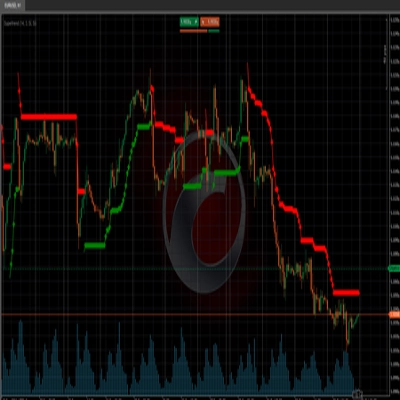
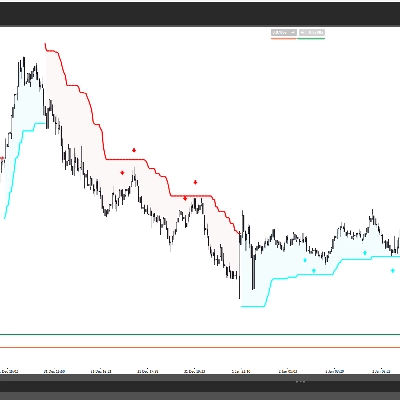
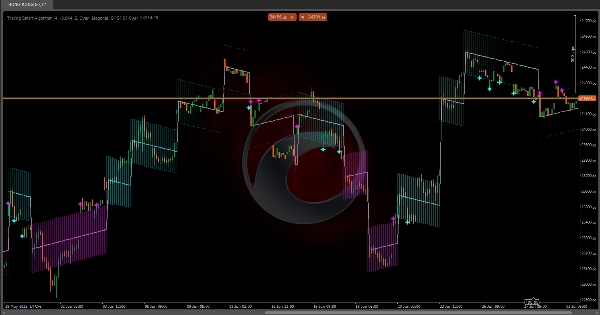
Incorporates mathematical algorithms 🧠 specifically designed to consistently track price in any market condition 🌐.
Its calculation structure ensures the trendline always stays synchronized with price movements, avoiding the typical lag of traditional indicators ⏳.
Unlike conventional algorithms, this system uses precise volatility measurements 📊 and applies automatic adjustments ⚙️ that guarantee optimal tracking. Its internal calculations are built to deliver an accurate representation of market direction, maintaining precision during both rapid moves ⚡ and gradual trend development 🕊️.
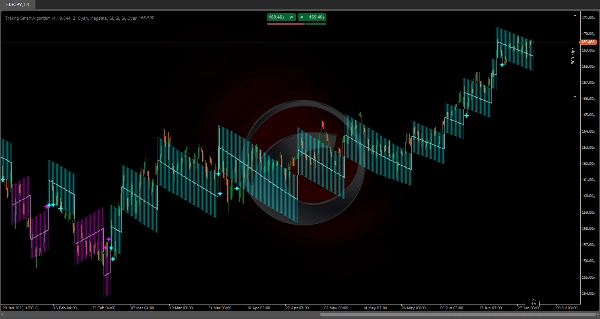
https://chartshots.spotware.com/c/69f0f218591b0
💡 How Does It Work?
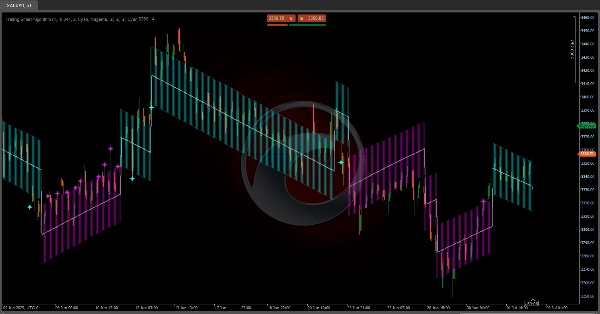
The indicator operates using an adaptive step system that moves in the direction of the dominant trend.
It is based on three main components:
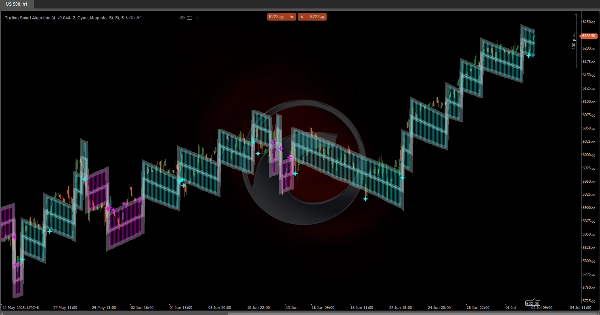
https://chartshots.spotware.com/c/69f0f2b19e4d3
1️⃣ Trend Change Detection
The system continuously monitors price to detect significant movements exceeding a specific threshold (Impulse Trigger 🎯).
When the price moves far enough from the current trendline, the indicator recognizes a potential direction change and repositions its main line.
2️⃣ Dynamic Trailing
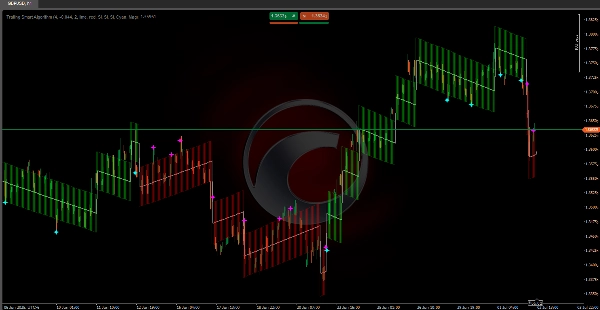
Once direction is set, the trendline moves step by step 🪜 in the same direction as the market.
Each step is calculated based on current volatility (ATR 📈):
• In more volatile markets, steps are larger 🌊
• In quieter markets, steps are smaller 🌿
3️⃣ Volatility Channel
A channel forms around the main line (upper and lower bands) representing the normal volatility zone 📉📈.
This channel helps identify whether price is behaving within normal parameters or making extreme moves 🚨.
📏 Volatility Channel
• Upper Band: Upper limit of the volatility channel
• Lower Band: Lower limit of the volatility channel
✨ Retest Signals
• Cyan Stars 🌟: Price touches or crosses the lower band during an uptrend
• Magenta Stars ⭐: Price touches or crosses the upper band during a downtrend
⚙️ Parameter Settings
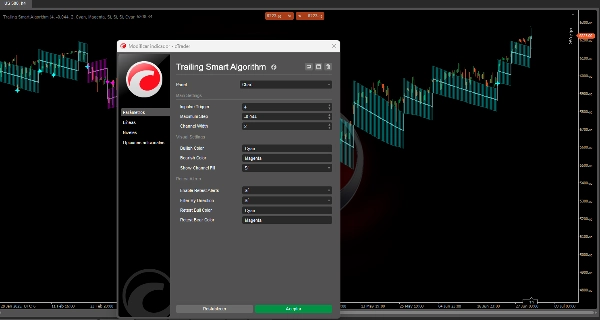
🔹 Main Parameters
Impulse Trigger (default value: 4)
What does it do?
Determines the sensitivity to detect trend changes. It’s the ATR multiplier defining how much price must move to trigger a direction change.
Impact when modified:
• Higher values (5–8):
- More resistant to trend changes 🛡️
- Fewer false signals
- Slower response to real shifts
• Lower values (2–3):
- Higher sensitivity 🎯
- Faster reaction
- More likely to produce false signals in sideways markets
Maximum Step (default value: -0.044)
What does it do?
Limits the maximum size of each step the trendline can take. It’s a negative value acting as a cap.
Impact when modified:
• Less negative (-0.020 to -0.030):
- Larger steps 🚀
- More aggressive trend tracking
• More negative (-0.050 to -0.080):
- Smaller, more gradual steps 🌱
- More conservative following
Channel Width (default value: 2)
What does it do?
Defines the width of the volatility channel around the main line.
Impact when modified:
• Higher values (3–4):
- Wider channel 🟢
- Fewer retest signals
- Greater tolerance to volatility
• Lower values (1–1.5):
- Narrower channel 🔴
- More retest signals
- More sensitivity to noise
🎨 Visual Parameters
Bullish Color / Bearish Color
Define the colors for uptrends and downtrends respectively.
Show Channel Fill
Enable or disable the visual fill of the volatility channel 🌈.
🔔 Retest Settings
Enable Retest Alerts
Toggle retest signals when price touches the channel bands.
Filter By Direction
When enabled, only shows retest signals matching the current trend:
• In an uptrend: Only signals on the lower band
• In a downtrend: Only signals on the upper band
🌟 Retest Signals Recap
• Cyan Star on Lower Band: Potential bullish bounce from dynamic support ✅
• Magenta Star on Upper Band: Potential bearish bounce from dynamic resistance ❌
Summary
The indicator operates through three main components:
1. Trend Change Detection: Monitors price to identify significant moves beyond a set threshold (Impulse Trigger), signaling potential trend direction changes.
2. Dynamic Trailing: Moves the trendline step-by-step in the direction of the dominant trend, adapting to current volatility.
3. Volatility Channel: Creates upper and lower bands around the trendline representing normal volatility zones, helping to identify extreme price moves.
Retest signals are provided as visual markers—cyan stars indicate potential bullish bounces on the lower band during uptrends, and magenta stars indicate potential bearish bounces on the upper band during downtrends. Users can customize parameters such as sensitivity to trend changes, maximum step size, and channel width, as well as visual settings like trend colors and channel fill. Alerts for retest signals can be enabled and filtered by trend direction.
This indicator supports visualization and signal outputs based on price levels and volatility, suitable for symbols including BTCUSD and XAUUSD.
Customer reviews
5 | 50 % | |
4 | 50 % | |
3 | 0 % | |
2 | 0 % | |
1 | 0 % |