Description
Pinescriptlabs Store indicators: 🤖Pinescriptlabs Store cBots : (cBot)
Gold & BTC BreakoutSession Pivots(new)
SmartTrend Support &
Resistance
Lines
Dynamic
Market Structure
Analysis
of
Turning Points
Fibonacci
Linear
Regression
Multi-timeframe
Auto
Support and
Resistance
Trend
Lines
All
Support and
Resistance
Levels
The Z-Score transforms price into a "standard
deviation" scale,
showing how far each candle’s close (or open, high, low) deviates from its
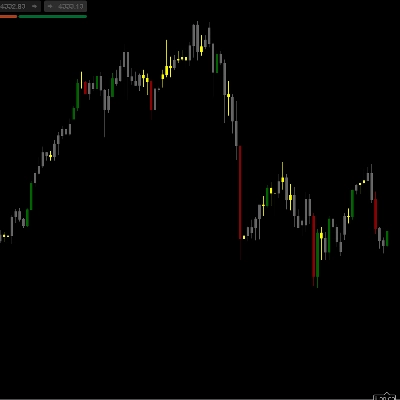
historical mean. With an intuitive visual, it helps identify overbought/oversold
conditions and
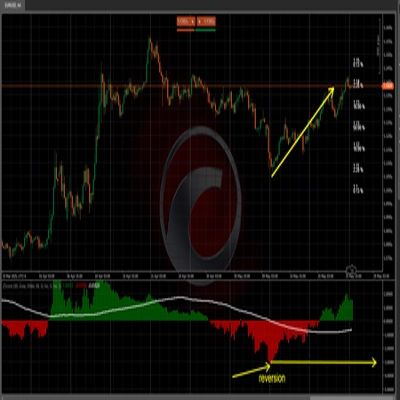
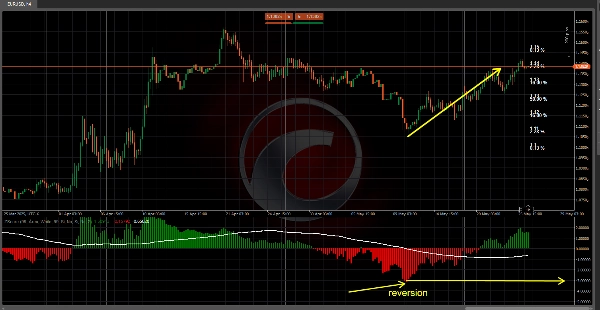
high-probability reversal zones! 🔄
1️⃣ What Does It Do?
🔹 Standardizes Price: Converts the absolute closing value into a Z-Score—how many standard deviations it is from the mean
of the last N bars.
🔹 Highlights
Statistical Extremes: Values
near ±1, ±2, or ±3 indicate rarity in price movement:
- ±1 SD (≈ 68% probability between –1 and 1)
- ±2 SD (≈ 95% probability between –2 and 2)
- ±3 SD (≈ 99.7% probability between –3 and 3)
🔹 Aids
in Mean Reversion Trading:
When Z-Score exceeds ±2 or ±3, the market is in an extreme
zone and tends to
revert toward the mean (zero).
🔹 Clear
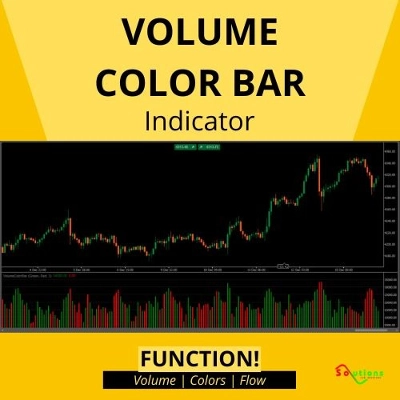
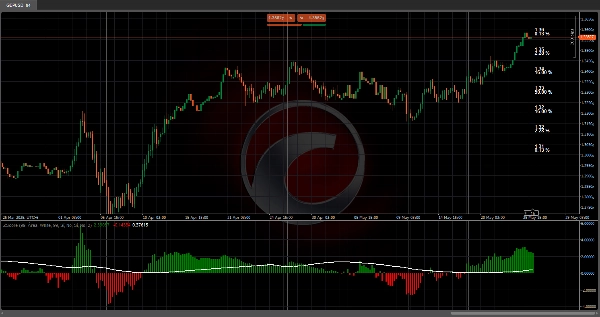
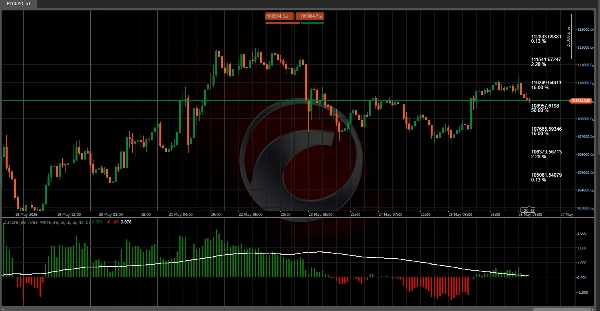
Visualization: Using histograms (or special candles), a moving average
line, and colored zones, you can instantly see if price is behaving "normally" or is a statistical
outlier.
2️⃣ How Does It Work?
📐 Calculation of Mean & Standard Deviation
- A lookback
period (e.g., 99
bars) is used. - The mean and standard
deviation (SD) of
closing prices are calculated. - Higher SD = More volatility in price movements.
🧮 Z-Score Formula
Z=Current Close−Historical MeanStandard DeviationZ=Standard DeviationCurrent Close−Historical Mean
- Positive Z → Close above the mean.
- Negative Z → Close below the mean.
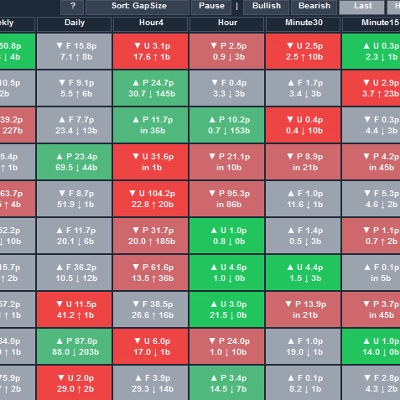
📊 Z-Table Probabilities
- Highlights the
current Z-Score’s column to show how rare/extreme the price is!
3️⃣ How to Use It in Trading
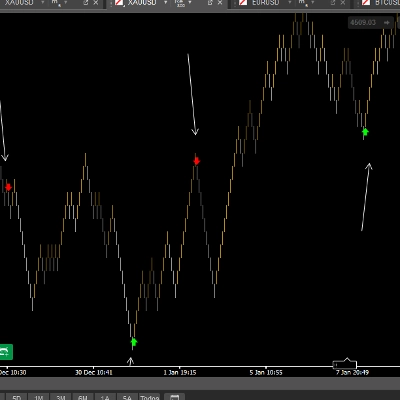
✅ Mean Reversion: Look for Z > +2 or Z < –2 to trade reversals (sell overbought
extremes, buy oversold extremes).
✅ Trend Confirmation: A sustained Z
> 0 + rising moving average signals
strength; Z < 0 + falling MA suggests weakness.
✅ Risk Management: Near ±1 SD, expect normal moves; near ±3
SD, adjust stops &
position sizes carefully.
✅ Entry Timing: Combine extreme Z-Scores with support/resistance
levels for precise
entries.
4️⃣ Pros & Considerations
✔️ Advantages
- Statistical edge in spotting extreme price conditions.
- Multiple display modes (histogram, candles, bands, probability
table). - Easy customization (length, colors, chart type).
⚠️ Considerations:
- In strong
trends, price can stay
"extreme" for long periods without reversing. - Assumes a normal
distribution—may not
work well in highly volatile/skewed markets. - Best used in stable
volatility environments.
Summary
The indicator calculates the mean and standard deviation of recent closing prices to determine the Z-Score using the formula:
Z = (Current Close − Historical Mean) / Standard Deviation.
Positive Z-Scores indicate prices above the mean, while negative scores indicate prices below it.
ZScore Reversion provides clear visualizations through histograms, special candles, moving averages, and colored zones to distinguish normal price behavior from statistical outliers. It supports mean reversion trading by signaling when prices exceed ±2 or ±3 standard deviations, suggesting a likely return to the mean. It also aids trend confirmation by interpreting sustained positive or negative Z-Scores combined with moving average trends.
Risk management is facilitated by adjusting stops and position sizes near extreme Z-Score values. Entry timing can be refined by combining extreme Z-Scores with support and resistance levels. The indicator offers multiple display modes and customization options for length, colors, and chart types. It is best suited for stable volatility environments and assumes a normal distribution of price data.
Customer reviews
5 | 100 % | |
4 | 0 % | |
3 | 0 % | |
2 | 0 % | |
1 | 0 % |