
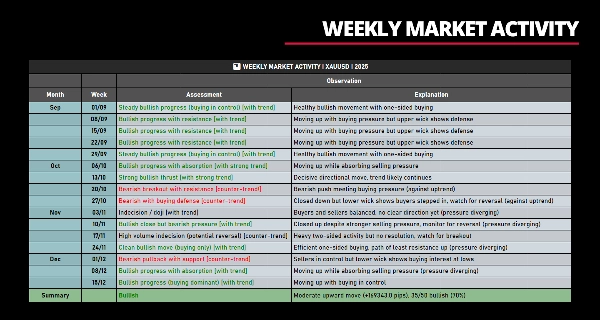
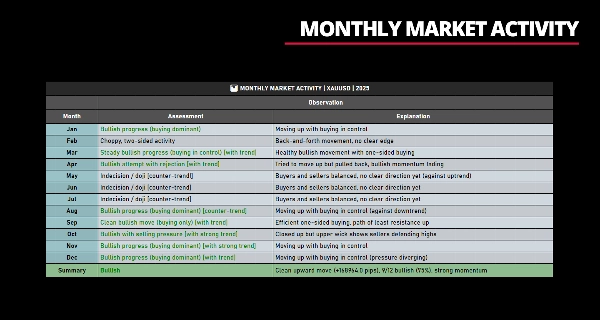
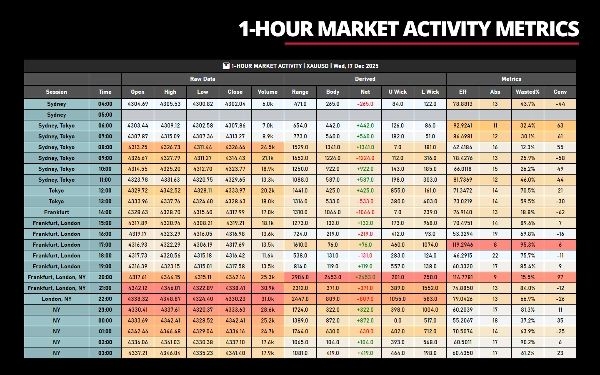
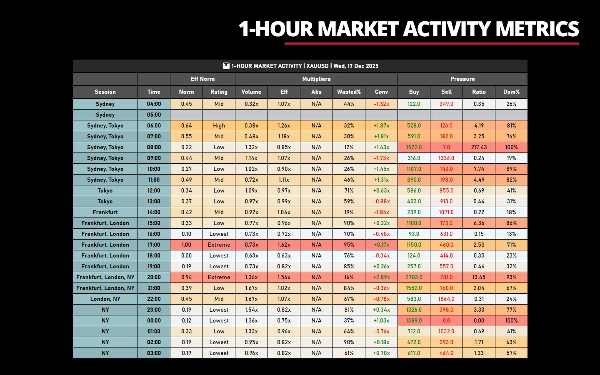

Açıklama
GENEL BAKIŞ
Hacim Verimliliği Analizörü, hacim (çaba) ile fiyat hareketi (sonuç) arasındaki ilişkiyi ölçen kapsamlı bir bar bazlı analiz aracıdır. Başlangıçta kişisel kullanım için belirli bir soruya cevap vermek amacıyla geliştirilmiştir: "Piyasa verimli bir şekilde mi hareket ediyor, yoksa anlamlı bir ilerleme olmadan çok fazla aktivite mi var?"
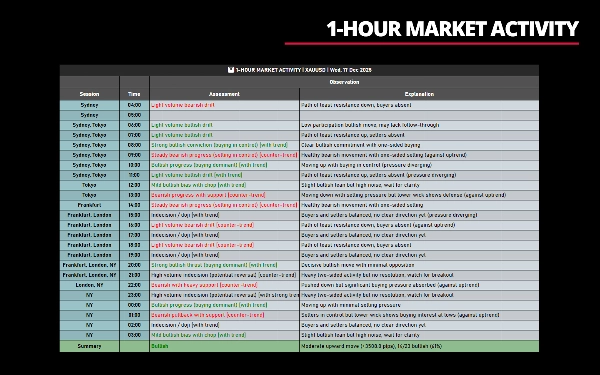
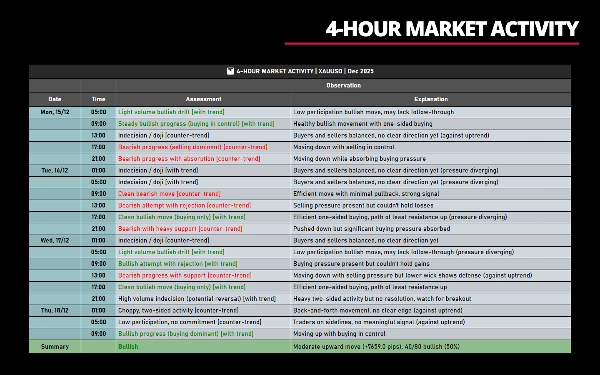
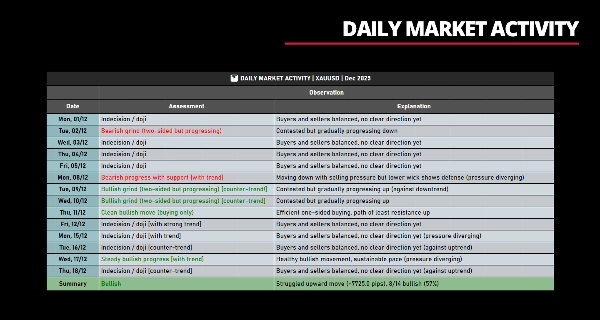
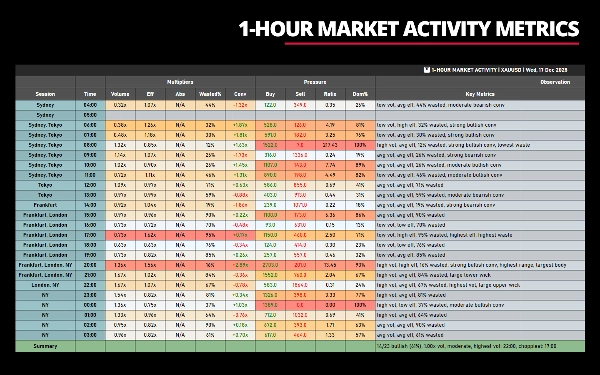
Bu gösterge HERHANGİ BİR grafik çıktısı üretmez. Yalnızca tablo formatında istatistiksel analiz ve metrikler gösterir—çizgi, sinyal veya fiyat bindirmesi yoktur. Bu metrikler, fiyat hareketinin ve piyasa davranışının kalitesini ve özelliklerini ölçer ve nicelendirir, böylece hareketlerin kararlı, tükenmiş, tartışmalı veya kararsız olup olmadığını anlamanıza yardımcı olur—gerçekleştikten sonra.
__________________________________________________________________________________________
BİR BAKIŞTA
Çıktı: İstatistiksel veriler (grafik çizimi yok)
Görüntüleme: Tablo formatı
Zaman dilimleri: Gün içi altından aylığa kadar
Metrikler: 20+ verimlilik/basınç göstergesi
En uygun: Hacim analizi, kalite değerlendirmesi
__________________________________________________________________________________________
TEMEL KAVRAM: ÇABA VE SONUÇ
Temel varsayım basittir:
- Çaba = Tick Hacmi (ticaret aktivitesi)
- Sonuç = Fiyat hareketi (aralık, gövde, net değişim)
Verimli piyasalar makul hacimle önemli fiyat hareketleri üretir—hareketler temiz ve kararlıdır.
Verimsiz piyasalar yüksek hacim gösterir ancak sınırlı net ilerleme vardır—hareketler dalgalı, tartışmalı veya emilmiş olabilir.
Bu ilişkiyi bireysel barlar ve toplam dönemler boyunca ölçerek şunları tanımlayabilirsiniz:
- Trendli ve yatay koşullar
- Kararlılık ve kararsızlık
- Tükenme ve devam
- Tek taraflı ve çift taraflı piyasalar
__________________________________________________________________________________________
ANA PARAMETRELERİN YAPILANDIRILMASI
Bu beş parametre, göstergenin hangi verileri gösterdiğini kontrol eder. Nasıl çalıştıklarını anlamak etkili kullanım için çok önemlidir.
1. Tarih Parametresi
Amaç: Hangi tarih/dönemin analiz edileceğini tanımlar.
Format Örnekleri:
""(boş) – Verisi olan en son işlem günü"18/12/2025"– Belirli tarih (GG/AA/YYYY)"12/2025"– Tüm ay (AA/YYYY)"2025"– Tüm yıl (YYYY)
2. Zaman Aralığı Parametresi
Amaç: Alt günlük zaman dilimlerinde gösterilecek saatleri filtreler.
Uygulama Alanı: Yalnızca alt günlük zaman dilimleri (1 dakika ile 1 saat arası)
Format Örnekleri:
""(boş) – Tam 24 saatlik işlem günü"8-16"– 08:00 ile 16:00 arası"08:00-16:30"– 08:00 ile 16:30 arası"14"– 14:00'dan mevcut zamana kadar
3. Hafta Aralığı Parametresi
Amaç: Gösterilecek ayın haftalarını filtreler.
Uygulama Alanı: Yalnızca çok saatlik zaman dilimleri (2 saat ile 12 saat arası)
Format Örnekleri:
""(boş) – Ay içindeki tüm haftalar"1"– Sadece birinci hafta"1,3"– 1. ve 3. haftalar"2,3,4"– 2., 3. ve 4. haftalar
4. Ay Aralığı Parametresi
Amaç: Gösterilecek yılın aylarını filtreler.
Uygulama Alanı: Yalnızca haftalık zaman dilimleri
Format Örnekleri:
""(boş) – Yıl içindeki tüm aylar"1"– Sadece Ocak"1,6,12"– Ocak, Haziran, Aralık"3,4,5,9,10,11"– 1. Çeyrek (İlkbahar) ve 4. Çeyrek (Sonbahar)
5. Maksimum Veri Satırı Parametresi
Amaç: Tabloya kaç satır (bar) gösterileceğini sınırlar.
Uygulama Alanı: Tüm zaman dilimleri
Varsayılan Değer: 24
Format:
-1veya0– Tüm mevcut verileri göster (sınırsız)- Pozitif herhangi bir sayı – Maksimum o kadar satır göster
__________________________________________________________________________________________
ÖZELLİKLER
Esneklik
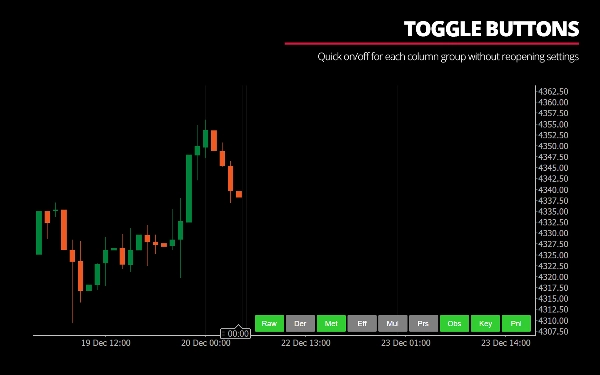
- 8 Sütun Grubu: Ham Veri, Türetilmiş, Metrikler, Verim Norm, Çarpanlar, Basınç, Ana Gözlemler, Ana Metrikler görünürlüğünü açıp kapatın
- Çoklu Zaman Dilimleri: Alt günlük (1d-1s), çok saatlik (2s-12s), günlük, haftalık ve aylık grafiklerde çalışır
- Filtreleme: Zaman aralığı filtresi (örneğin, "8:00-16:00"), hafta filtresi (örneğin, "1,3"), ay filtresi (örneğin, "1,6,12")
- Maksimum Satır: Görüntüyü en son N dönemle sınırla veya oluşan bar etrafında merkezle
- Renk Vurgulama: Seçilen metrik bazında herhangi bir sütun grubu için isteğe bağlı gradyan vurgulama
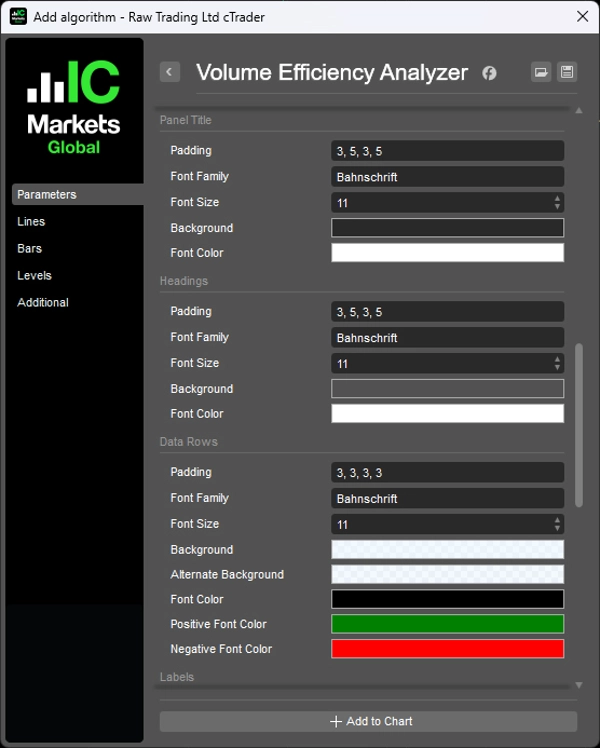
- Özelleştirilebilir Stil: Yazı tipleri, renkler, dolgu, sütun genişlikleri üzerinde tam kontrol
- Açma/Kapama Düğmeleri: Ayarları yeniden açmadan her sütun grubu için hızlı açma/kapama
Zaman Dilimi Desteği
- Broker sunucu zamanı ile yerel zamanınız arasındaki farkı ayarlar
- Oturum başlangıç saatleri yapılandırılabilir (Sydney, Tokyo, Frankfurt, Londra, NY)
- Saatlik işlem günü başlangıcı (örneğin, Asya oturumu tüccarları için 04:00)
Performans Optimizasyonları
- Verimli bar aramaları için ikili arama
- Vurgulama için tek geçişte min/maks hesaplamalar
- Gecikmeyi önlemek için gerçek zamanlı güncellemelerde 500ms sınırlama
- Yinelenen aramaları önlemek için arama ipuçları
__________________________________________________________________________________________
METRİKLERİ ANLAMAK
İyi Bir Hareketi Neler Yapar?
- Yüksek Verimlilik: Az hacimle uzun mesafe kat edilmiş
- Düşük Boşa Harcanan %: Minimum fitil, temiz yönlü gövdeler
- Uyumlu Basınç: Boğa kapanışlarında alım baskısı baskın (veya tam tersi)
- Güçlü Kararlılık: Yüksek yönlü bağlılık
Kötü Bir Hareketi Neler Yapar?
- Düşük Verimlilik: Az hareket için çok hacim gerektirmiş
- Yüksek Boşa Harcanan %: Büyük fitiller, küçük gövdeler (dalgalanma)
- Çelişkili Basınç: Boğa kapanışı ama satış baskısı baskın
- Zayıf Kararlılık: Hacme rağmen yönlü bağlılık yok
Emilim Ne Anlama Gelir?
Fiyat yüksek hacme rağmen hareket etmekte zorlanıyorsa, piyasa o hacmi "emiyor" demektir. Bu şunları gösterir:
- Yüksek Emilim: Direnç/destek mevcut, fiyatı hareket ettirmek zor
- Düşük Emilim: Kolay hareket, az direnç
Örnek Yorumlar:
"Güçlü boğa itişi (alım baskısı baskın)"
- Yüksek hacim + Yüksek verimlilik + Düşük israf + Boğa net + Alım baskısı baskın
"Yüksek hacimli kararsızlık (potansiyel dönüş)"
- Yüksek hacim + Aşırı israf + Küçük gövde + Dengeli basınç
"Ayı baskısına rağmen boğa kapanışı"
- Yukarı kapandı ama satış baskısı alım baskısını aştı (uyumsuzluk, potansiyel tuzak)
"Düşük katılım, bağlılık yok"
- Düşük hacim + Ortalama verimlilik + Belirgin basınç baskını yok
__________________________________________________________________________________________
AVANTAJLAR VE FAYDALAR
1. Sezgiyi Nicelendirir
- "Bu hareket dalgalı görünüyor" veya "Bu hareket zayıf görünüyor" diye hissettiyseniz, bu gösterge bu gözlemleri nicelendirir
- Öznel değerlendirmeler için objektif metrikler sağlar
2. Çok Boyutlu Analiz
- Çoğu araç hacim VEYA fiyat desenlerini gösterir. Bu, onların ilişkisini gösterir
- Hacim, fiyat yapısı, yönlü eğilim ve basınç dinamiklerini tek bir görünümde birleştirir
3. Bağlam Farkındalığı
- Bireysel bar değerlendirmeleri trend bağlamını dikkate alır
- "Yükselen trendde konsolidasyon" ile "Düşen trendde konsolidasyon" arasındaki farkı ayırt eder
- Tuzak olabilecek karşı trend hareketlerini işaretler
4. Eğitici
- Doğal dil yorumları piyasa dinamiklerini öğrenmenize yardımcı olur
- Zamanla, gösterge olmadan verimlilik desenlerini tanımaya başlarsınız
5. Çok Yönlü Uygulama
- Trend tüccarları: Trendlerin güçlü mü yoksa tükenmekte mi olduğunu belirleyin
- Aralık tüccarları: Yüksek israf konsolidasyon bölgelerini tespit edin
- Kırılma tüccarları: Yüksek hacimli kararlı kırılmaları ve sahte kırılmaları ayırt edin
- Hacim tüccarları: Hacmi ne başardığı bağlamında görün
6. Gecikme Yok
- Tüm hesaplamalar tamamlanmış barlar (veya şu anda oluşan bar) baz alınarak yapılır
- Yumuşatma, hareketli ortalamalar veya yeniden boyama yoktur
__________________________________________________________________________________________
ZORLUKLAR VE ENDİŞELER
Bu göstergeleri kullanmadan önce, aşağıdaki önemli hususları anlayın:
Bu Gösterge Herkes İçin DEĞİLDİR:
1. Yüksek Karmaşıklık
- 8 sütun grubunda 20+ metrik
- Hacim analizi, fiyat hareketi ve piyasa mikro yapısını anlamayı gerektirir
- Öğrenme eğrisi diktir—desenlerin netleşmesi için 1-2 hafta gözlem bekleyin
2. Bilgi Aşırı Yükü
- Varsayılan "her şeyi göster" görünümü bunaltıcıdır
- Ticaret odağınıza göre özelleştirmeniz gerekir
- Tüm metrikleri aynı anda kullanmaya çalışırsanız karar verme felci olabilir
3. Ticaret Sistemi Değildir
- Bu gösterge ne zaman alım veya satım yapacağınızı söylemez
- Piyasanın ne yaptığını söyler, SİZİN ne yapmanız gerektiğini değil
- Kendi giriş/çıkış kurallarınızla entegre etmelisiniz
4. Yorumlama Gereklidir
- "Yüksek hacimli kararsızlık" ön kırılma veya tükenme anlamına gelebilir
- "Verimli boğa hareketi" devam garantisi vermez
- Gösterge gösterdiklerinin ötesinde piyasa bağlamına ihtiyacınız var
5. Hacim Sınırlamaları
- Forex gerçek hacim değil, tick hacmi (işlem sayısı) kullanır
- Düşük likiditeli enstrümanlar düzensiz verimlilik değerleri gösterebilir
- Haber olayları geçici olarak metrikleri çarpıtacak hacim sıçramaları yaratabilir
6. Daha Düşük Zaman Dilimlerinde Performans
- 100+ görünür bar ile 1 dakikalık grafiklerde kullanıcı arayüzü yavaş hissedilebilir
- Daha fazla bar = güncelleme başına daha fazla hesaplama
- Önerilen: Gerçek zamanlı izleme için ≥5 dakikalık grafikler kullanın
7. Uyarı Yok
- Şu anda belirli koşullar için uyarı üretmez
- Göstergeyi manuel olarak izlemeniz gerekir
8. Öznel Eşikler
- "Yüksek" hacim, 1.25x ortalama olarak tanımlanır—bu benim kişisel eşik değerimdir
- "Aşırı" israf ≥%80'dir—bu da öznel
- Bu tanımlarla aynı fikirde olmayabilirsiniz, ancak bunlar kodlanmıştır
__________________________________________________________________________________________
NASIL ÇALIŞIR
1. Veri Toplama
- Analiz dönemini tanımlayın (tarih/zaman aralığı)
- Dönemdeki her bar için, grafiğin barlarından OHLCV verilerini toplayın
- Her bar için türetilmiş ve verimlilik metriklerini hesaplayın
- Ortalama ve uç değerleri belirlemek için metrikleri toplayın
2. Yorumlama Mantığı
Doğal dil değerlendirmeleri öncelik tabanlı karar matrisini takip eder:
Öncelik 1: Kararsızlık Desenleri
- Aşırı boşa harcanan % (≥80) veya yüksek fitilli küçük gövde → Doji/Reddetme sinyalleri
- Yüksek hacim + aşırı israf → Potansiyel tükenme
Öncelik 2: Yüksek Hacim Senaryoları
- Yüksek hacim + yüksek verimlilik + düşük israf → Kararlı itiş
- Yüksek hacim + yüksek verimlilik + yüksek israf → Dirençli kırılma
- Yüksek hacim + düşük verimlilik + yüksek israf → Emilim/tartışmalı hareket
Öncelik 3: Verimlilik Odaklı Sinyaller
- Hacimden bağımsız yüksek verimlilik → Temiz/verimli hareketler
- Düşük verimlilik → Sürüklenme, öğütme veya zayıf hareketler
Öncelik 4: Hacim Seviyesi Geri Dönüşleri
- Düşük hacim → Sürüklenme, bağlılık yok
- Ortalama hacim → Kararlılık, gövde %, israf seviyesi ile değerlendirilir
3. İyileştirmeler:
- Basınç analizi çelişkileri tespit eder (örneğin, "boğa kapanışı ama satış baskısı baskın")
- Fitil analizi reddetmeyi belirler (boğa barlarında üst fitiller = satıcılar zirveleri savundu)
- Trend bağlamı "[trend ile]" veya "[karşı trend]" işaretleri ekler
4. Özet Hesaplama
- Boğa ve ayı barlarını say
- Yönlü verimliliği hesapla (boğa hareketleri vs ayı hareketleri)
- Emilim oranlarını ölç (her iki tarafın ne kadar dirençle karşılaştığı)
- Kümülatif net hareket ve trend bağlamını hesapla
- Sayım, büyüklük ve trend yönünü birleştiren birleşik eğilim oluştur
__________________________________________________________________________________________
TEKNİK NOTLAR
Hesaplama Yöntemi
- Her dönem içinde kümülatif bar analizi kullanır
- Tüm alt barların hacim, fitil, gövde toplamını yapar
- Kümülatif verilerden net yönlü eğilim hesaplar
- Basit OHLC analizinden daha doğrudur
Normalizasyon
- Verimlilik, görünür veri setindeki min/maks'a göre normalize edilir
- Derecelendirmelerin bağlama uygun olmasını sağlar
- Derecelendirme ölçeği: Aşırı (80-100%) → Yüksek (60-80%) → Orta (40-60%) → Düşük (20-40%) → En Düşük (0-20%)
Trend Bağlamı
- Tüm önceki dönemlerdeki kümülatif net pipleri hesaplar
- Ardışık yönlü dönemleri tanımlar
- Son verimlilik ve basıncı öncekiyle karşılaştırır
- Etiketler: "Yükselen trend (güçlü)", "Düşen trend (zayıf)", "Yatay"
__________________________________________________________________________________________
SON NOT
Bu gösterge, piyasa kalitesini anlamanın yön tahmininden daha değerli olduğuna inanılarak oluşturulmuştur.
"Fiyat yükselecek mi?" diye sormak yerine, şu soruları sorar:
- "Bu hareket yüksek kaliteli mi?"
- "Alıcılar/satıcılar mücadele ediyor mu yoksa verimli mi?"
- "Bu kırılma sürdürülebilir mi yoksa zayıf mı?"
- "Mevcut dinamikler uyumlu mu yoksa ayrışıyor mu?"
Tahmin yerine kaliteye odaklanarak, tüccarlar:
- Düşük olasılıklı kurulumlardan kaçınabilir
- Arkasında bağlılık olan hareketlere girebilir
- Çaba sonuca aştığında çıkış yapabilir
- Ne zaman uzak durulacağını anlayabilir (kötü kaliteli ortam)
Şeffaflık, eğitim ve fiyatın neden böyle hareket ettiğini anlamayı önemsiyorsanız, bu gösterge sizin için değerli olabilir.
Basitlik ve hızlı sinyalleri tercih ediyorsanız, diğer araçlar size daha uygun olacaktır.
__________________________________________________________________________________________
DAHA FAZLA ÜCRETSİZ GÖSTERGE
Yapı ve hacimden regresyon, volatilite ve özel zaman dilimlerine kadar geniş bir piyasa analiz araçları yelpazesini keşfedin.
Kaynak kodu GitHub deposunda mevcuttur.
Kullanımı tamamen ücretsizdir. Ancak kahve desteği göndermek isterseniz, buradan gönderebilirsiniz.
Destek/Direnç
Hacim
- Hacim Aktivite Profili
- Hacim Verimliliği Analizörü
- Hacim Profili Analitiği
- Hacim Profili - Güncellenmiş
- Hacim Yayılım Analizi
- VWAP (Hacim Ağırlıklı Ortalama Fiyat)
Hareketli Ortalamalar
- SSL Kanalı
- Çapa Hareketli Ortalama
- Sapma Ölçekli Hareketli Ortalama
- Gann Yüksek Düşük Aktivatörü
- Anlık Trend Çizgisi
- Trend Vizyonlu Kaufman Adaptif MA
- Hareketli Ortalama Kanalı
- Hareketli Ortalamalar Paketi
- Trend Kanalı Hareketli Ortalama
Araçlar/Özel
Regresyon Tabanlı
Volatilite
Osilatörler
__________________________________________________________________________________________
FERAGATNAME
Ticaret risk içerir. Bu gösterge yalnızca teknik analiz amaçlıdır — her zaman uygun risk yönetimi uygulayın ve sorumlu şekilde işlem yapın.
GERİ BİLDİRİM & GELİŞTİRMELER
Önerileriniz, özellik talepleriniz veya geliştirme fikirleriniz varsa, lütfen Tartışma sekmesinde yorum bırakın. Geri bildiriminiz göstergenin herkes için geliştirilmesine yardımcı olur.
Özet
Key features include customizable column groups, color highlighting, and time zone adjustments for various trading sessions. The indicator quantifies market conditions by identifying efficient versus inefficient moves, absorption levels, and directional pressure, helping traders distinguish between decisive, exhausted, or indecisive price actions after they occur. It incorporates trend context and natural language interpretations to aid understanding of market dynamics.
Volume Efficiency Analyzer does not generate buy/sell signals or alerts; it is intended to complement traders’ own strategies by providing objective metrics that quantify market quality rather than predict direction. It requires familiarity with volume analysis and market microstructure due to its complexity and information density. The indicator is suitable for trend, range, breakout, and volume-focused traders seeking a comprehensive, multi-dimensional view of market behavior.
Müşteri değerlendirmeleri
5 | 100 % | |
4 | 0 % | |
3 | 0 % | |
2 | 0 % | |
1 | 0 % |
Tartışma
SSS
Bu oluşturanın diğer ürünleri













Fiyat